CASTing for Enantioselectivity: A Comprehensive Guide to Combinatorial Active Site Saturation Testing
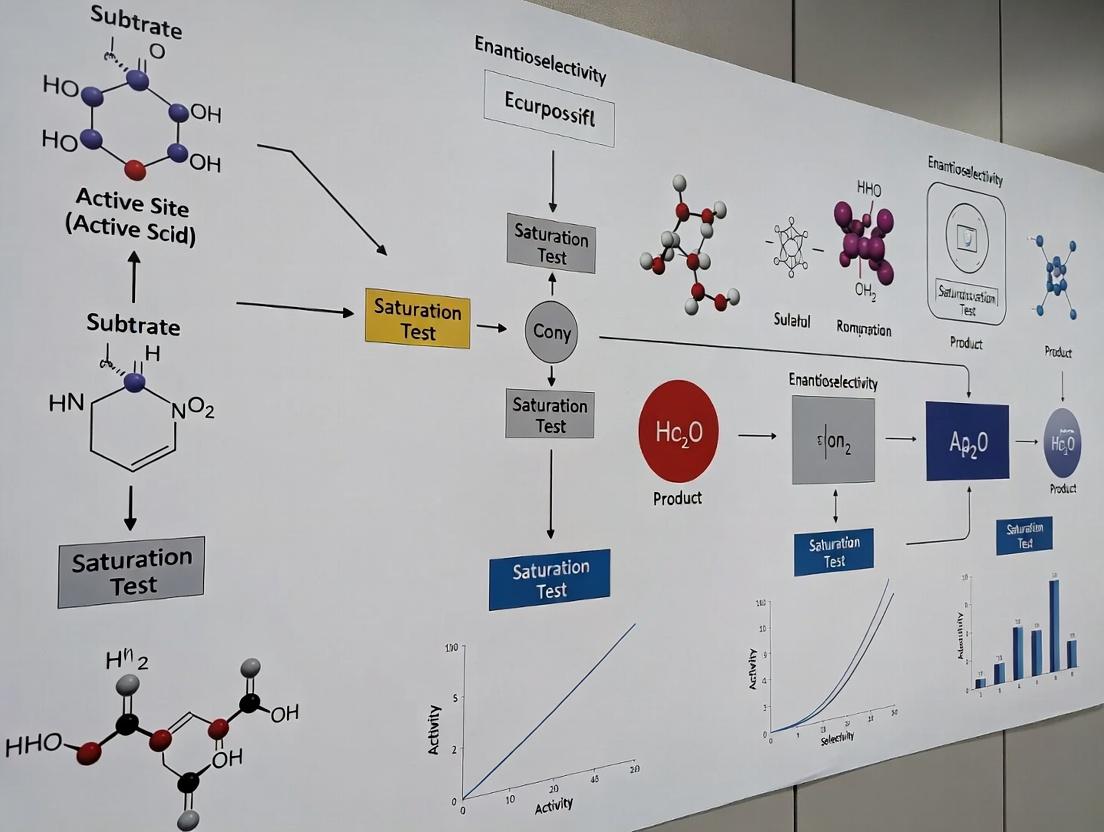
This article provides a detailed exploration of the Combinatorial Active-Site Saturation Test (CASTing) methodology, a powerful protein engineering strategy for enhancing enzyme enantioselectivity.
CASTing for Enantioselectivity: A Comprehensive Guide to Combinatorial Active Site Saturation Testing
Abstract
This article provides a detailed exploration of the Combinatorial Active-Site Saturation Test (CASTing) methodology, a powerful protein engineering strategy for enhancing enzyme enantioselectivity. Targeted at researchers, scientists, and drug development professionals, it covers foundational principles, practical step-by-step protocols for library creation and screening, common troubleshooting and optimization strategies for challenging substrates, and comparative validation against alternative techniques like ISM and SCHEMA. The review synthesizes recent advances and offers actionable insights for applying CASTing to develop enantioselective biocatalysts for chiral drug synthesis and green chemistry.
What is CASTing? Unpacking the Core Principles of Combinatorial Active-Site Saturation Testing
Combinatorial Active-Site Saturation Test (CASTing) is a directed evolution strategy for enhancing enzyme stereoselectivity, specificity, and activity. Originally conceptualized for enantioselectivity research, it involves systematically targeting residues surrounding the active site for saturation mutagenesis. This approach has evolved from a manual, low-throughput technique to a highly integrated, data-driven cornerstone of modern protein engineering, particularly in pharmaceutical synthesis.
Historical Progression & Core Principles
Original Concept (Early 2000s): The CAST strategy was pioneered by Manfred T. Reetz and colleagues to address the challenge of altering enzyme enantioselectivity. The key insight was that substrate binding and orientation, governed by residues around the active site, are often more critical for selectivity than the catalytic residues themselves.
Evolution to Modern Iterations: The methodology has progressed through distinct phases, characterized by increasing sophistication in library design, screening technology, and data analysis.
Table 1: Evolution of CASTing Methodologies
| Iteration | Key Characteristics | Typical Library Size | Primary Screening Method | Key Advancement |
|---|---|---|---|---|
| Classical CAST | Manual selection of 2-4 residue "sites" around the active site. Individual or combinatorial saturation. | 10^3 - 10^5 variants | Agar plate assays, GC/HPLC (low-throughput) | Concept validation; focus on "hotspots." |
| ISM (Iterative Saturation Mutagenesis) | Iterative cycles of CAST at single best sites from previous round. | 10^3 - 10^4 per cycle | Medium-throughput analytics (e.g., 96-well plate assays) | Reduced screening burden; additive improvements. |
| Focused/Reduced CAST | Use of structural bioinformatics (B-FIT, 3DM) to prioritize residues likely to affect function. | 10^2 - 10^4 | Fluorescence/UV-Vis based activity screens | Smarter library design; higher hit rates. |
| Ultrahigh-Throughput CAST | Integration with droplet-based microfluidics or FACS using coupled reporter assays. | 10^7 - 10^9 variants | Fluorescence-Activated Cell Sorting (FACS) | Enables exploration of vast sequence space. |
| Machine-Learning-Guided CAST | Predictive models (e.g., from previous rounds) guide site and codon choice for subsequent libraries. | 10^4 - 10^6 | Combination of HTS and predictive analytics | Closed-loop, data-driven evolution. |
Detailed Experimental Protocols
Protocol 3.1: Modern Structure-Guided CAST Library Design
Objective: To design a focused saturation mutagenesis library targeting the substrate-binding pocket.
Materials:
- High-resolution enzyme structure (X-ray/NMR/AlphaFold2 model)
- Molecular visualization software (PyMOL, ChimeraX)
- Substrate molecule file (SDF/MOL2)
- Library design software (e.g., CASTER, GERM, or custom Python/R scripts)
Procedure:
- Structural Alignment & Analysis: Superimpose the enzyme structure with a bound substrate or transition-state analog.
- Residue Selection: Identify all amino acid residues within a defined radius (e.g., 5-10 Å) of the substrate's reactive center or critical binding moieties.
- Site Grouping: Cluster selected residues into "sites" based on spatial proximity (e.g., residues forming a specific sub-pocket). Each site typically contains 1-3 residues.
- Codon Optimization: For each selected position, choose a reduced codon set (e.g., NNK, NDT, or structure-based "22-codon" designs) to limit library degeneracy while covering all amino acids.
- Primer Design: Design overlapping PCR primers for each site containing degenerate codons. Ensure compatibility for subsequent combinatorial assembly (e.g., by USER cloning or Gibson Assembly).
Protocol 3.2: Ultrahigh-Throughput CAST Screening via FACS
Objective: To screen a multi-site CAST library of >10^7 variants for altered enantioselectivity using a coupled growth selection or fluorescence reporter.
Materials:
- CAST plasmid library in expression host (e.g., E. coli)
- Fluorescent probe substrate (e.g., a non-fluorescent compound that yields a fluorescent product upon enantioselective reaction)
- Microfluidic droplet generator system or equipment for cell permeabilization
- Fluorescence-Activated Cell Sorter (FACS)
- LB-agar plates with appropriate antibiotic
Procedure:
- Library Transformation & Expression: Transform the pooled plasmid library into an expression host strain. Induce protein expression under controlled conditions.
- Cell Preparation: Harvest cells and optionally permeabilize (e.g., with toluene or polymyxin B) to allow substrate entry.
- Reaction in Droplets/Microtiter Plates:
- Droplet Method: Co-encapsulate single cells, substrate, and reaction buffer in picoliter-sized water-in-oil droplets. Incubate to allow intracellular enzyme reaction.
- Bulk Method: Incubate cell suspension with substrate in bulk. Reaction product fluorescence remains intracellular or is captured on the cell surface via a tagging system.
- FACS Screening: Sort the cell population based on fluorescence intensity, which correlates with desired catalytic activity/enantioselectivity. Collect the top 0.1-1% brightest cells.
- Recovery & Analysis: Plate sorted cells on selective agar to recover clones. Isolate plasmid DNA and sequence to identify beneficial mutations. Characterize hits using conventional analytical methods (e.g., chiral GC/HPLC).
Key Signaling & Workflow Visualizations
CASTing & ISM Workflow
ML-Guided CASTing Cycle
The Scientist's Toolkit: Research Reagent Solutions
Table 2: Essential Reagents & Materials for CASTing
| Item | Function in CASTing | Example/Notes |
|---|---|---|
| Degenerate Oligonucleotides | Encode random mutations at targeted CAST sites. | NNK codons (32 codons, all 20 AA); NDT codons (12 codons, 12 AA) for reduced diversity. |
| High-Fidelity Polymerase | Error-free amplification of gene fragments during library construction. | Phusion, Q5, or KAPA HiFi polymerases. |
| Advanced Cloning Kit | Efficient assembly of multiple mutagenic fragments. | Gibson Assembly, Golden Gate, or USER-friendly kits. |
| Fluorogenic/Chromogenic Probe | Enables high-throughput or ultrahigh-throughput screening. | Esterase/lipase: fluorescein diacetate. Enantioselective probes require clever design (e.g., chiral ethers). |
| Chiral Analysis Columns | Gold-standard validation of enantioselectivity (ee). | Chiralpak IA, IB, IC; Chiralcel OD-H; based on polysaccharide derivatives. |
| Microfluidic Droplet Generator | For compartmentalizing single cells/reactions for FACS-based screening. | Flow-focusing junctions from Dolomite or custom microfluidic chips. |
| Competent E. coli Cells (High Efficiency) | Essential for achieving large library size representation. | >10^9 cfu/μg transformation efficiency strains (e.g., NEB 10-beta, XL10-Gold). |
| Protein Structure Modeling Software | For active site analysis and residue selection. | PyMOL (visualization), Rosetta (computational design), AlphaFold2 (prediction). |
Application Notes
The Combinatorial Active-Site Saturation Test (CASTing) is a cornerstone methodology in directed evolution for engineering enzyme stereoselectivity, particularly for applications in asymmetric synthesis and chiral drug development. Its rationale stems from recognizing that substrate orientation and transition-state stabilization within an enzyme's active site are often governed by synergistic interactions between multiple residues, not just single amino acids.
Targeting residue pairs and triplets, as opposed to single residues, is crucial because:
- Epistatic Interactions: Mutations can have non-additive effects; the impact of a mutation at one site often depends on the amino acid present at a second, spatially proximal site.
- Substrate Binding Pocket Architecture: The active site is a defined three-dimensional space. Altering a single residue may be insufficient to reshape the pocket for a new substrate, whereas coordinated changes at 2-3 positions can create complementary steric and electronic environments.
- Efficiency in Library Design: Saturation mutagenesis of all residues individually would create impractically large libraries. Intelligently selected pairs/triplets, based on structural analysis, focus combinatorial diversity on "hotspots" likely to influence enantioselectivity, yielding smarter, smaller, and more effective libraries.
The core principle is to systematically recombine mutations at these chosen positions to discover cooperative effects that dramatically enhance enantioselectivity (enantiomeric excess, ee), which single-point mutagenesis might miss.
Table 1: Representative Outcomes from CASTing Studies on Various Enzymes
| Enzyme Class | Target Residues (Pair/Triplet) | Initial ee (%) | Evolved ee (%) | Key Reference Approach | ||||||
|---|---|---|---|---|---|---|---|---|---|---|
| Lipase A (CAL-A) | M223, L278 (Pair) | 2 (R) | 81 (R) | CASTing, 4-site combinatorial library | Epoxide Hydrolase | F108, C248, I317 (Triplet) | 20 (S) | 98 (S) | Iterative CASTing (ICAST) | |
| P450 Monooxygenase | A78, V82, L437 (Triplet) | 45 (S) | >99 (S) | Structure-guided CASTing | ||||||
| Amine Transaminase | R415, L417 (Pair) | 66 (R) | >99 (R) | B-FIT/CASTing hybrid |
Table 2: Library Size Comparison: Single Residue vs. Pair vs. Triplet Saturation
| Saturation Strategy | Number of Codons | Theoretical Library Size (NNK codon) | Practical Screening Effort |
|---|---|---|---|
| Single Residue | 1 | 32 variants | Low |
| Residue Pair | 2 | ~1,000 variants | Medium-High |
| Residue Triplet | 3 | ~32,000 variants | High (requires pre-screening) |
Note: NNK codon degeneracy encodes all 20 amino acids (32 codons). Practical libraries often use reduced codon sets (e.g., NDT) to lower size while maintaining diversity.
Experimental Protocols
Protocol 1: Identification of CAST Pairs and Triplets via Structural Analysis
Objective: To select candidate residue positions for combinatorial saturation mutagenesis.
Materials:
- Enzyme 3D structure (X-ray or homology model)
- Molecular visualization software (e.g., PyMOL, UCSF Chimera)
- Bound substrate or ligand (crystal structure or docked pose)
- List of active site residues within 5-8 Å of the substrate
Procedure:
- Load the enzyme structure into visualization software.
- Identify and highlight the binding pocket residues surrounding the substrate or a representative probe.
- For enantioselectivity engineering, focus on residues proximal to the region of the substrate where the prochiral or chiral center is located.
- Analyze for potential steric clashes or unproductive interactions that could disfavor the desired enantiomer.
- Select 3-5 candidate residues. Group them into logical pairs or triplets based on spatial proximity (typically Cβ–Cβ distance < 10 Å) and potential for cooperative interaction with the substrate.
- Prioritize pairs/triplets that form a contiguous "wall" or "ceiling" of the binding pocket around the substrate's sensitive moiety.
Protocol 2: Construction of a Saturation Mutagenesis Library for a Residue Pair
Objective: To create a plasmid library encoding all possible amino acid combinations at two selected positions.
Materials:
- Template plasmid containing the wild-type gene
- Forward and reverse primers containing degenerate NNK or NDT codons at target positions
- High-fidelity DNA polymerase (e.g., Q5)
- DpnI restriction enzyme
- Competent E. coli cells for transformation
Procedure:
- Primer Design: Design two complementary primers that anneal to the target region. Replace the codons for the two target residues with the degenerate sequence 'NNK' (encodes all 20 AAs + TAG stop) or 'NDT' (reduced set: 12 AAs, no stop).
- PCR Amplification: Set up a PCR reaction using the template plasmid and the degenerate primers. Use a cycling protocol suitable for site-directed mutagenesis (typically 18-25 cycles).
- Template Digestion: Treat the PCR product with DpnI (37°C, 1-2 hours) to digest the methylated parental template DNA.
- Purification: Purify the digested PCR product using a spin column.
- Self-Ligation: Ligate the purified, linear mutagenic DNA using T4 DNA Ligase to create circular plasmid libraries.
- Transformation: Transform the ligation product into highly competent E. coli cells. Plate on selective agar to obtain single colonies. The resulting colony count represents your library coverage.
Protocol 3: High-Throughput Screening for Enantioselectivity
Objective: To identify library variants with improved enantioselectivity from a CASTing library.
Materials:
- Library colonies in 96- or 384-well microplates
- LB medium with antibiotic
- IPTG (or relevant inducer)
- Substrate for enantioselectivity assay (e.g., chiral ester, epoxide, ketone)
- Lysis buffer (if using whole cells is insufficient)
- Detection system: GC or HPLC with chiral column, or a coupled colorimetric/fluorometric assay.
Procedure:
- Culture Expression: Inoculate library variants into deep-well plates containing growth medium. Grow to mid-log phase, induce protein expression, and incubate further.
- Cell Harvest: Centrifuge plates to pellet cells. Use cells directly or lyse them with buffer/sonication to create crude lysates.
- Reaction Setup: Transfer an aliquot of cells/lysate to a new assay plate. Initiate the reaction by adding the prochiral/chiral substrate.
- Quenching & Extraction: After incubation, quench reactions (e.g., with organic solvent). Centrifuge to separate phases.
- Analysis: For chiral GC/HPLC: Inject the organic phase extract directly. For coupled assays: proceed with the detection steps (e.g., add chromogenic/fluorogenic reagent).
- Data Analysis: Calculate conversion and ee for each variant. Select hits with significantly improved ee over the wild-type. Validate top hits by re-testing in small-scale flask cultures.
Diagrams
CASTing Workflow for Directed Evolution
Rationale for Selecting Cooperative Residue Groups
The Scientist's Toolkit: Research Reagent Solutions
Table 3: Essential Materials for a CASTing Project
| Item | Function/Benefit |
|---|---|
| NNK or NDT Degenerate Codon Primers | Encodes all (or a smart subset) of amino acids at target positions during PCR mutagenesis. |
| High-Fidelity DNA Polymerase (e.g., Q5) | Ensures accurate amplification during library construction with low error rates. |
| DpnI Restriction Enzyme | Selectively digests the methylated parental plasmid template post-PCR, enriching for mutant plasmids. |
| Commercial Library Preparation Kit | Streamlines steps from PCR to ligation/transformation, improving efficiency and yield. |
| Electrocompetent E. coli Cells | Essential for achieving high transformation efficiency (>10^8 cfu/µg) required for full library coverage. |
| Chiral GC or HPLC Column | Gold-standard for direct, accurate measurement of enantiomeric excess (ee) of reaction products. |
| 96/384-Well Deep-Well Culture Plates | Enables parallel culturing and expression of hundreds of enzyme variants. |
| Automated Liquid Handling System | Critical for reproducible setup of high-throughput assays and library management. |
| Microplate Spectrophotometer/Fluorometer | For rapid, plate-based activity screens (if coupled to a chromogenic/fluorogenic readout). |
| Molecular Visualization Software | Allows structural analysis for rational selection of CASTing pairs/triplets. |
In the broader thesis of applying the Combinatorial Active-Site Saturation Test (CASTing) for enantioselectivity engineering, planning the saturation mutagenesis library is the foundational, rate-limiting step. CASTing, pioneered by Manfred T. Reetz, is a systematic, structure-guided strategy to reshape an enzyme's active site for improved or inverted stereoselectivity, crucial for synthesizing chiral pharmaceuticals and fine chemicals. Unlike random mutagenesis, CASTing focuses iterative saturation mutagenesis on defined "CAST sites"—residues within a 5-10 Å radius of the substrate-binding pocket. The quality of the resulting mutant library directly dictates the success of screening campaigns in identifying variants with desired enantioselectivity (E-value). This protocol details the bioinformatic and molecular biological planning required to construct a high-quality, tractable CASTing library.
Table 1: CAST Site Selection & Library Complexity Parameters
| Parameter | Typical Range | Calculation/Consideration | Impact on Library Design |
|---|---|---|---|
| Residues per CAST Site | 1-3 amino acids | Structural analysis (X-ray, homology model); B-factor analysis. | Larger sites (>3 residues) lead to unmanageable library size. |
| Radius from Substrate | 5-10 Å | Measured from catalytic center or bound substrate in structure. | Defines which residues are considered for mutagenesis. |
| Amino Acid Alphabet (NNK vs. 22c) | NNK (32 codons) or 22c (22 amino acids) | NNK: Encodes all 20 AA + stop (TAA, TAG, AGA). 22c: Dedicated set of 22 codons for all 20 AA, no stops. | NNK: Library contains 3.1% stop codons. 22c: Stop codon-free, requires specialized primer design. |
| Theoretical Library Size (per site) | NNK: 32n; 22c: 22n | n = number of residues mutated simultaneously. | n=2: NNK=1024, 22c=484. n=3: NNK=32,768, 22c=10,648. Must be matched to screening capacity. |
| Screening Coverage (Desired) | 95-99% | Based on the Sanders-Bernoulli formula: N = ln(1-P)/ln(1-1/X) where P=probability, X=library size. | To have a 95% chance of seeing all variants in a 1024-member library, ~3000 clones must be screened. |
Table 2: Recommended Primer Design Specifications
| Component | Specification | Purpose/Rationale |
|---|---|---|
| Overlap Length | 15-20 bp on each side of mutation site. | Ensures efficient annealing in PCR-based mutagenesis (e.g., QuikChange). |
| Degeneracy | NNK, NDT, or 22c TRIM codon sets. | Balances diversity with manageable primer synthesis complexity and cost. |
| Melting Temp (Tm) | ≥78°C for entire primer. | High Tm required for robust amplification in site-saturation mutagenesis protocols. |
| Primer Purification | PAGE or HPLC purification. | Essential for high-fidelity synthesis of degenerate primers. |
Experimental Protocol: Planning & Primer Design for CAST Saturation Mutagenesis
A. Bioinformatic Identification of CAST Sites
- Obtain 3D Structure: Secure a high-resolution crystal structure of the wild-type enzyme, preferably with a bound substrate or transition-state analog. If unavailable, generate a reliable homology model using tools like SWISS-MODEL or AlphaFold2.
- Define the Active Site Sphere: Using visualization software (PyMOL, Chimera), select all amino acid residues with at least one atom within a 5-10 Å radius of the substrate's key functional groups or the catalytic center.
- Cluster Residues into CAST Sites: Manually or using software (e.g., CASTER), group spatially adjacent residues (typically 1-3) into individual CAST sites for simultaneous randomization. Prioritize residues with side chains pointing toward the substrate. Avoid residues critical for catalysis or structural integrity unless intentional.
- Prioritize Sites: Rank sites based on predicted impact. Common prioritization criteria include: proximity to prochiral center of substrate, involvement in polar interactions, and high B-factors (indicating flexibility).
B. Molecular Design of Saturation Mutagenesis Libraries
- Calculate Library Size: For each CAST site, calculate theoretical diversity: Library Size = (Codon Variants)n. Example: Using NNK degeneracy (32 codons) for a 2-residue site: 322 = 1024 unique DNA sequences.
- Match to Screening Capacity: Ensure the theoretical size for each site is within 3-5 times your colony screening throughput. If too large, consider reducing the site to a single residue or using a reduced amino acid alphabet (e.g., NDT degeneracy for 12 amino acids).
- Design Degenerate Primers:
- Use software (e.g., GeneDesigner, PrimerX) to input the wild-type sequence and select target residues.
- Specify degenerate codon (e.g., NNK).
- The software will generate complementary forward and reverse primers containing the degenerate codon(s), flanked by 15-20 bp of perfect homology.
- Calculate Tm: Verify primer Tm using the nearest-neighbor method. Extend primer length if needed to achieve Tm ≥78°C.
- Order Primers: Specify PAGE/HPLC purification. For large-scale library construction, order multiple syntheses to avoid bottle-necking and ensure representation.
Diagrams
Title: CASTing Library Design Workflow
Title: Active Site Residue Clustering for CASTing
The Scientist's Toolkit: Key Research Reagent Solutions
Table 3: Essential Materials for CAST Library Planning & Construction
| Item | Function in CASTing | Specification/Notes |
|---|---|---|
| High-Fidelity DNA Polymerase | Amplification of plasmid template with degenerate primers for library construction. | Use polymerases with low mismatch rate (e.g., Q5, Phusion). Critical for minimizing background mutations. |
| DpnI Restriction Enzyme | Digestion of methylated parental plasmid template post-PCR. | Selectively degrades the original E. coli-derived template, enriching for newly synthesized mutant plasmids. |
| Competent E. coli Cells | Transformation of mutant library for propagation and screening. | High-efficiency cells (>1x10⁸ cfu/µg) are essential for ensuring full library representation. |
| Agar Plates with Selective Antibiotic | Growth of transformed colonies for isolation and screening. | Use low-salt LB agar for optimal growth. Plate appropriate cell volume to yield well-spaced colonies. |
| Codon-Optimized Degenerate Oligos | Primers encoding the saturation mutagenesis at CAST sites. | PAGE/HPLC purified. NNK (32 codons) or 22c (22 codons) degeneracy. |
| Plasmid Miniprep Kit | Rapid extraction of plasmid DNA from individual clones for sequencing validation. | Required for confirming the sequence of hits from primary screens before downstream characterization. |
| Structural Visualization Software | Identification and clustering of CAST residues. | PyMOL (commercial) or UCSF Chimera (free). Used for measuring distances and analyzing residue orientation. |
| Library Design Software | Calculation of library size, primer design, and codon optimization. | Tools like CASTER (specific for CASTing) or general molecular biology suites like SnapGene. |
Application Notes
Combinatorial Active-Site Saturation Test (CASTing) is a protein engineering methodology that explicitly targets the cooperative effects (epistasis) between amino acid positions within an enzyme's active site. This approach contrasts with traditional single-position saturation mutagenesis, which evaluates residues in isolation. Within enantioselectivity research, where the goal is often to invert or dramatically improve an enzyme's stereochemical preference for chiral synthesis or drug intermediate production, accounting for epistasis is critical. Single-position methods frequently fail because enantioselectivity is an emergent property arising from complex interactions within the binding pocket.
The core advantage of CASTing lies in its systematic exploration of these interactions. By simultaneously randomizing two or more positions that form a spatially defined "site," CASTing libraries sample the combinatorial sequence space, revealing beneficial mutations that are non-additive and often non-intuitive. Recent studies (2023-2024) continue to validate that the most significant leaps in enantioselectivity (e.g., shifts in enantiomeric excess (ee) from <10% to >99%) are almost always driven by such epistatic interactions. Single-position saturation, while useful for fine-tuning, rarely achieves these transformative results.
The following table summarizes comparative outcomes from recent key studies in enantioselectivity engineering:
Table 1: Comparative Outcomes of CASTing vs. Single-Position Saturation in Recent Enantioselectivity Engineering (2022-2024)
| Enzyme & Target Reaction | Engineering Method | Key Metric Improvement | Epistatic Mutations Identified? | Reference Year |
|---|---|---|---|---|
| P450 monooxygenase (Pharmaceutical intermediate synthesis) | Single-Position Saturation (4 rounds) | Enantiomeric excess (ee): 20% → 65% | No | 2022 |
| P450 monooxygenase (Same target) | CASTing (1 round on a 4-residue site) | Enantiomeric excess (ee): 20% → 98% | Yes (Two mutations were neutral individually but highly synergistic) | 2023 |
| Esterase (Resolution of chiral acids) | Single-Position Saturation | Enantioselectivity (E): 5 → 15 | No | 2023 |
| Esterase (Same target) | CASTing (3-residue cluster) | Enantioselectivity (E): 5 → 105 | Yes (Mutation at position A deleterious alone, essential with B & C) | 2024 |
| Transaminase (Chiral amine synthesis) | Iterative Single-Position | ee: 45% (S) → 80% (R) | Limited | 2022 |
| Transaminase (Same target) | Multi-site CASTing (Two 3-residue sites) | ee: 45% (S) → 99.5% (R) | Yes (Network of 4 mutations across two sites) | 2024 |
Experimental Protocols
Protocol 1: Design and Construction of a CASTing Library for Enantioselectivity
Objective: To create a combinatorial saturation mutagenesis library targeting a defined cluster of amino acid residues around an enzyme's active site to enhance enantioselectivity.
Materials: See "The Scientist's Toolkit" below.
Procedure:
- Target Identification: Using the enzyme's 3D structure (crystal or homology model), identify all residues within a 5-7 Å radius of the substrate. Group 3-4 residues that form a plausible interacting network (e.g., a wall of the binding pocket) into a "CAST site."
- Primer Design: For a site containing n residues, design degenerate primers using the NNK codon (N = A/T/G/C; K = G/T). This mixture encodes all 20 amino acids and one stop codon. The primers should contain the degenerate codons flanked by 15-20 bp of homologous sequence for Gibson Assembly or restriction-site tails for Golden Gate assembly.
- Library Construction (PCR & Assembly): a. Perform PCR on the plasmid template using high-fidelity polymerase with the degenerate primers. b. Purify the PCR product and digest with DpnI to eliminate methylated parental template DNA. c. Assemble the mutated fragment back into the vector using a seamless cloning method (e.g., Gibson Assembly, Golden Gate). Use a high-efficiency E. coli strain for transformation. d. Plate an aliquot to calculate library size. The theoretical diversity for an NNK-saturated site of n residues is 32^n; ensure your transformant count is >10x this number for full coverage.
- Library Expression & Screening: Transform the library into a suitable expression host (e.g., E. coli BL21(DE3)). For enantioselectivity screening, employ a high-throughput assay:
- Colorimetric/UV Assay: If the reaction co-factor (NAD(P)H) changes absorbance.
- pH Indicator Assay: For reactions that release or consume protons.
- Solid-Phase Capture or MS Pre-screening: To narrow the library before the definitive assay.
- Definitive ee Screening: Use HPLC or GC with a chiral stationary phase to determine enantiomeric excess for individual clones. Consider automated systems for 96-well plate formats.
Protocol 2: High-Throughput Enantioselectivity Screening via Chiral Gas Chromatography (GC)
Objective: To determine the enantiomeric excess (ee) of product formed by individual enzyme variants from a CASTing library.
Materials: Chiral GC column (e.g., γ-cyclodextrin-based), automated GC autosampler, 96-deep well plates, culture growth media, substrate solution, quenching/extraction solvent (e.g., ethyl acetate).
Procedure:
- Cultivation: Inoculate individual variant colonies into 96-deep well plates containing 1 mL of selective media. Grow overnight at 30°C with shaking.
- Induction & Expression: Add inducer (e.g., IPTG) and continue incubation for protein expression.
- Reaction: Add substrate directly to the culture or to lysed cells (after centrifugation and resuspension in buffer). Incubate with shaking for a defined period (2-6 hours).
- Quenching & Extraction: Add an organic solvent (e.g., ethyl acetate) to each well to quench the reaction and extract the product. Vortex and centrifuge to separate phases.
- Sample Preparation: Transfer an aliquot of the organic (top) layer to a new 96-well plate suitable for GC autosampling.
- GC Analysis: Inject samples onto a chiral GC column. Program the oven temperature to resolve the enantiomers of the product and substrate.
- Data Analysis: Integrate peak areas for each enantiomer. Calculate ee (%) = [(R-S)/(R+S)] * 100, where R and S are the peak areas of the R- and S-enantiomers, respectively. Clones with the desired ee (e.g., >95%) are selected for sequence analysis and validation.
Visualizations
Title: CASTing Library Construction and Screening Workflow
Title: Single-Position vs. CASTing Search Paths
The Scientist's Toolkit
Table 2: Essential Research Reagents and Materials for CASTing
| Item | Function in CASTing/Enantioselectivity Research |
|---|---|
| NNK Degenerate Oligonucleotides | Primers containing the NNK codon mixture for saturation mutagenesis, allowing coverage of all 20 amino acids at targeted positions. |
| High-Fidelity DNA Polymerase (e.g., Q5, Phusion) | For accurate amplification of plasmid DNA segments during library construction without introducing additional mutations. |
| Seamless Cloning Kit (Gibson Assembly or Golden Gate) | Enables efficient, scarless assembly of multiple PCR fragments (including degenerate inserts) into a linearized vector backbone. |
| DpnI Restriction Enzyme | Digests the methylated parental plasmid template after PCR, selectively enriching for newly synthesized DNA containing the mutations. |
| High-Efficiency Cloning Strain (e.g., NEB 10-beta, XL10-Gold) | E. coli strains optimized for high transformation efficiency (>10^9 cfu/µg) to ensure comprehensive library coverage. |
| Chiral GC or HPLC Column | Critical for the definitive measurement of enantiomeric excess (ee). Columns with cyclodextrin or other chiral selectors separate enantiomers. |
| Automated Liquid Handling System | Enables reproducible setup of culture, expression, and assays in 96- or 384-well plates for high-throughput screening. |
| Microplate Spectrophotometer/Fluorometer | For primary high-throughput screens using coupled colorimetric or fluorometric assays to rapidly identify active variants before chiral analysis. |
| Structure Visualization Software (e.g., PyMOL) | Used to analyze the enzyme's 3D structure and define CAST sites by identifying spatially proximal residues in the active site. |
Combinatorial Active-Site Saturation Test (CASTing) was pioneered by Manfred T. Reetz in the late 1990s and early 2000s as a systematic, structure-guided method for enhancing the enantioselectivity and activity of enzymes. His foundational work focused on using knowledge of an enzyme's active site to identify "hotspots" for mutagenesis, then creating and screening combinatorial libraries of these residues. This marked a paradigm shift from random mutagenesis to a more rational, yet combinatorial, approach to directed evolution.
Within the broader thesis on CASTing for enantioselectivity research, this evolution represents the core strategy for engineering stereoselective biocatalysts crucial for asymmetric synthesis in pharmaceutical development. The method has since evolved with advancements in bioinformatics, robotics, and gene synthesis, expanding from single-substrate transformations to complex multi-enzyme cascades and de novo enzyme design.
Application Notes: Key Developments and Quantitative Benchmarks
Table 1: Evolution of Key CASTing Parameters and Performance Metrics
| Era / Key Study | Enzyme & Target Reaction | Library Size & Screening Throughput | Key Mutations Identified | Achieved Enantioselectivity (ee) | Technological Advance |
|---|---|---|---|---|---|
| Pioneering (Reetz, ~2001) | Lipase from Pseudomonas aeruginosa (PAL), Hydrolysis of ester | ~3,000-10,000 clones; Manual/Low-throughput screening | M16, L17, others around binding pocket | Improved from ~2% ee (S) to 81% ee (R) | Concept of saturating "hotspot" pairs from 3D structure. |
| Mid-2000s | Epoxide Hydrolase, Hydrolytic Kinetic Resolution | ~50,000 clones; Medium-throughput UV/Vis assays | F108, C248, others in access tunnels | ee >90% for (R)-diols | Integration with FACS and growth selection assays. |
| 2010s (Automation) | Transaminase, Synthesis of chiral amines | >10^5 clones; Robotic handling, MS/GC-HTS | A112, T231, F88 | >99% ee for several API intermediates | Coupling with in silico prescreening (FRED, CASTER). |
| Current (2023-2024) | P450 Monooxygenase, C-H activation | ~1x10^6 variants; Ultra-HTS via microfluidics & coupled assays | R47, S72, L244, A397 | 98% ee for pharmaceutical precursor | Machine learning (ML) guided CASTing; ancestral sequence reconstruction-informed hotspots. |
Table 2: Modern CASTing Workflow: Comparative Efficiency
| Workflow Step | Traditional CAST (c. 2005) | Modern Integrated CAST (2024) |
|---|---|---|
| Hotspot Identification | Manual analysis of crystal structure. | Computational tools: CASTp, B-FIT, ML-predicted flexibility networks. |
| Library Design | Saturation of single or double sites (NNK codon). | MAX randomization, trimmed codon tables, incorporating phylogenetic data. |
| Library Construction | Sequential PCR/ligation, error-prone. | Multiplexed CRISPR-based editing, solid-phase gene synthesis. |
| Screening/Selection | 96-well plates, manual GC/HPLC. | Microfluidic droplets, growth-coupled metabolite sensors, label-free techniques (FTIR). |
| Data to Design Cycle | Months for analysis and iteration. | Real-time analytics feeding ML models for next design cycle (days). |
Detailed Experimental Protocols
Protocol 1: Modern ML-Guided CASTing for Transaminase Engineering
Objective: To improve the (S)-enantioselectivity of an ω-transaminase for the synthesis of a chiral benzylamine precursor.
Materials: See "The Scientist's Toolkit" below.
Procedure:
- Target Selection & In Silico Analysis:
- Obtain the 3D structure (PDB ID or homology model) of the wild-type transaminase.
- Using software like CAVER or PyMOL, identify residues lining the substrate access tunnel and binding pocket within 8Å of the docked transition state analog.
- Input structural data and wild-type sequence into an ML platform (e.g., based on UniRep or ESM models). The model predicts a ranked list of ~10-15 hotspot residues likely to influence enantioselectivity.
Combinatorial Library Design:
- Select the top 4 predicted hotspots (e.g., A112, F88, T231, L215).
- Design a combinatorial library using 22c-trick codon sets (encoding all 20 canonical amino acids but only 22 codons) for balanced representation and reduced screening burden.
- Use software like LASSO to design oligonucleotides for simultaneous mutagenesis of all 4 sites in a single-pot reaction.
Library Construction via Multiplexed CRISPR Engineering:
- Transform the parent plasmid harboring the gene into an E. coli strain expressing Cas9.
- Electroporate with a pool of donor DNA fragments (containing the mutagenic cassettes) and specific sgRNA plasmids targeting the wild-type sequence regions.
- Recover cells and induce plasmid repair via homologous recombination. Plate on selective media to obtain the variant library (>10^5 individual clones).
Ultra-High-Throughput Screening (uHTS):
- Employ a growth-coupled selection: Clone library into a host strain auxotrophic for lysine, where the transaminase reaction produces lysine from an added keto-acid precursor.
- Subject the library to microfluidic droplet encapsulation: Each droplet contains a single variant cell, growth medium, and substrate.
- Incubate and sort droplets based on optical density (indicative of growth/catalytic activity) using a commercial droplet sorter (e.g., Flow-RND).
- Collect the top 0.5% of fastest-growing droplets, recover the plasmids, and sequence to identify enriched mutations.
Validation & Characterization:
- Re-transform individual hit variants for expression.
- Perform analytical-scale biotransformations in 96-deep-well plates.
- Quench reactions, extract product, and analyze enantiomeric excess via fast chiral GC-MS (e.g., using a Cyclosil-B column). Calculate ee% = [([R]-[S])/([R]+[S])] * 100.
- Characterize kinetics (kcat, KM) for best variants.
Protocol 2: Traditional CASTing for Epoxide Hydrolase (Following Reetz's Principles)
Objective: To reverse the enantiopreference of an epoxide hydrolase for styrene oxide hydrolysis.
Materials: Parent epoxide hydrolase gene in pET vector, E. coli BL21(DE3), Phusion polymerase, DpnI, NNK oligos, chromogenic substrate (e.g., p-nitrostyrene oxide).
Procedure:
- CAST Residue Selection:
- Based on the crystal structure, choose 4-6 pairs of residues that form the substrate-binding pocket. Example pair: (F108, C248).
- Site-Saturation Mutagenesis (SSM) Library Creation (for each pair):
- Perform QuikChange-style PCR using back-to-back primers containing the NNK degeneracy at the two target codons.
- Digest template DNA with DpnI.
- Transform PCR product into E. coli, plate on LB-agar with antibiotic. Aim for >95% coverage of theoretical diversity (32^2=1024 variants per pair).
- Pool colonies, harvest plasmid DNA to create the "sub-library" for that pair.
- Primary Colorimetric Screening:
- Individually pick colonies (or use colony PCR) into 96-well plates containing TB/antibiotic. Induce protein expression with IPTG.
- Lyse cells (e.g., by freeze-thaw or lysozyme).
- Add assay buffer containing 1mM p-nitrostyrene oxide. The hydrolysis of this substrate leads to a release of p-nitrophenolate, detectable at 405 nm.
- Identify wells showing significant activity above background.
- Secondary Chiral Analysis:
- Inoculate hits from primary screen in 10mL cultures for protein expression and purification (Ni-NTA if His-tagged).
- Perform biotransformation with racemic styrene oxide as substrate.
- Extract residual epoxide and formed diol with ethyl acetate.
- Analyze by chiral HPLC (e.g., Chiralcel OD-H column, hexane/isopropanol eluent) to determine enantiomeric ratio (E) and ee.
- Iteration and Recombination:
- Combine beneficial mutations from different CASTing pairs (e.g., F108V from pair 1 and C248W from pair 2) by site-directed mutagenesis.
- Characterize the final multi-site variant for activity and selectivity.
Visualizations
The Scientist's Toolkit
Table 3: Essential Reagents & Materials for Modern CASTing
| Item / Solution | Function & Description |
|---|---|
| 22c-trick Oligonucleotide Pool | A defined mixture of oligonucleotides for saturation mutagenesis that encodes all 20 amino acids using only 22 codons, reducing library bias and screening burden. |
| CRISPR-Cas9 Plasmid System (in vivo) | Enables highly efficient, multiplexed genomic integration of donor DNA fragments carrying designed mutations into the host enzyme expression strain. |
| Microfluidic Droplet Generator & Sorter | For Ultra-HTS: Encapsulates single variant cells with substrate in picoliter droplets, enabling screening of >10^6 variants per day based on fluorescent or growth-coupled outputs. |
| Chiral Stationary Phase GC/HPLC Columns | Critical for enantioselectivity analysis. Cyclosil-B (GC) and Chiralpak AD/OD-H (HPLC) are common for separating enantiomers of amines, alcohols, epoxides, and acids. |
| Chromogenic/Fluorogenic Proxy Substrates | (e.g., p-Nitrophenyl esters, umbelliferone derivatives). Allow rapid primary activity screening in 96/384-well plates via simple absorbance/fluorescence measurements. |
| Growth-Coupled Selection Strain | Engineered host (e.g., E. coli) where the desired enzymatic reaction complements an auxotrophy (e.g., for lysine, leucine). Directly links cell growth to catalytic performance, enabling powerful positive selection. |
| Machine Learning Software Suite | Tools like CASTER, PROSS, or custom TensorFlow/PyTorch models trained on enzyme fitness landscapes to predict hotspot residues and optimal amino acid substitutions. |
| Next-Generation Sequencing (NGS) Kit | For deep mutational scanning: Post-screening NGS of pooled library DNA identifies enriched mutations and provides data for training subsequent ML models. |
CASTing in Action: A Step-by-Step Protocol for Enantioselectivity Engineering
Application Notes
In the context of a thesis on Combinatorial Active-Site Saturation Test (CASTing) for enantioselectivity research, the initial and critical step is the rational selection of target residues for randomization. This selection is based on a comprehensive analysis of the enzyme's three-dimensional active site architecture. The primary goal is to identify amino acid positions that, when mutated in combinations, are most likely to perturb the binding and orientation of chiral substrates, thereby influencing enantioselectivity.
Contemporary structural analysis leverages computational tools and high-resolution structural data (from X-ray crystallography or cryo-EM) to map the binding pocket. Key criteria for selection include:
- Proximity to the Substrate: Residues within a 5-10 Å radius of the bound substrate or transition state analog.
- Chemical Environment: Residues involved in potential non-covalent interactions (H-bonding, π-stacking, van der Waals).
- Flexibility and Solvent Exposure: Loops and solvent-accessible residues often allow for greater mutational tolerance and functional plasticity.
- Evolutionary Conservation: Analysis via tools like ConSurf helps identify less conserved, functionally malleable positions.
Recent studies (2023-2024) emphasize integrating molecular dynamics (MD) simulations to assess residue flexibility and coupling, moving beyond static structural analysis. This dynamic profiling identifies networks of residues that cooperatively influence active site geometry.
Table 1: Quantitative Metrics for Residue Selection in a Model Esterase (Hypothetical Data)
| Residue Number | Distance to Substrate (Å) | Solvent Accessible Surface Area (Ų) | B-Factor (Average) | Conservation Score (1-9)* | Priority for CASTing |
|---|---|---|---|---|---|
| W95 | 3.5 | 45.2 | 25.1 | 9 (Highly Conserved) | Low |
| L112 | 6.8 | 102.5 | 48.3 | 3 (Variable) | High |
| D156 | 4.2 | 30.1 | 20.5 | 9 (Highly Conserved) | Low (Catalytic) |
| M189 | 5.1 | 89.7 | 55.6 | 2 (Variable) | High |
| F225 | 7.2 | 75.4 | 42.8 | 4 (Variable) | Medium |
| Conservation Score: 1=variable, 9=highly conserved. |
Experimental Protocols
Protocol 1: Structural Analysis for CAST Residue Selection
Objective: To identify and prioritize non-catalytic, solvent-accessible residues within 10 Å of the active site for combinatorial saturation mutagenesis.
Materials & Reagents:
- High-resolution 3D structure of the target enzyme (PDB file).
- Computational Workstation.
- Molecular Visualization Software (e.g., PyMOL, ChimeraX).
- Bioinformatic Servers (e.g., ConSurf, CASTp).
Methodology:
- Structure Preparation:
- Download the relevant PDB file (e.g., 1XXX).
- Using PyMOL, remove water molecules and heteroatoms. Add missing hydrogen atoms and assign correct protonation states using the
H-buildfunction or a tool like PDB2PQR.
- Active Site Delineation:
- If a substrate or inhibitor is co-crystallized, use it to define the center of the active site.
- If not, use the catalytic residue(s) as the center point.
- Generate a sphere with a 10 Å radius from this center.
- Residue Identification & Filtering:
- List all amino acid residues with any atom within this sphere.
- Filter out canonical catalytic residues (e.g., Ser-His-Asp triad in hydrolases).
- Filter out residues involved in essential structural disulfide bonds or cofactor binding.
- Property Analysis:
- For each shortlisted residue, calculate:
a. Solvent Accessible Surface Area (SASA): Use the
measure sasacommand in PyMOL. b. Distance: Measure the minimum distance between the residue side chain and the substrate/catalytic atom. c. B-Factor: Extract the average B-factor from the PDB file as a proxy for flexibility.
- For each shortlisted residue, calculate:
a. Solvent Accessible Surface Area (SASA): Use the
- Conservation Analysis:
- Submit the enzyme sequence to the ConSurf server (https://consurf.tau.ac.il/).
- Map the conservation grades onto the 3D structure and record scores for each shortlisted residue.
- Prioritization & CASTing Pair Selection:
- Prioritize residues with high SASA (>70 Ų), moderate-to-high B-factors, and low conservation scores (1-4 on ConSurf's 1-9 scale).
- Group residues into CASTing pairs or triplets based on spatial proximity (<15 Å apart) to target cooperative regions of the active site.
Protocol 2: Molecular Dynamics (MD) Simulation to Validate Residue Coupling
Objective: To assess the dynamic interaction and correlated motion between selected CAST residues prior to experimental library construction.
Materials & Reagents:
- Prepared PDB file of enzyme (with substrate docked if possible).
- MD Simulation Software (e.g., GROMACS, AMBER).
- High-Performance Computing (HPC) cluster.
Methodology:
- System Setup:
- Place the enzyme in a cubic water box (e.g., TIP3P model) with a 10 Å buffer.
- Add ions (e.g., Na⁺, Cl⁻) to neutralize the system charge.
- Energy Minimization & Equilibration:
- Minimize the system energy using steepest descent algorithm for 50,000 steps.
- Perform NVT (constant Number, Volume, Temperature) equilibration for 100 ps, gradually heating to 300 K.
- Perform NPT (constant Number, Pressure, Temperature) equilibration for 100 ps to stabilize pressure at 1 bar.
- Production Run:
- Run an unrestrained MD simulation for 50-100 ns. Save trajectories every 10 ps.
- Trajectory Analysis - Correlated Motion:
- Use the
gmx covarandgmx anaeigmodules in GROMACS to perform Principal Component Analysis (PCA). - Calculate dynamical cross-correlation matrices (DCCM) for the Cα atoms of the selected CAST residues.
- Residue pairs showing strong positive correlation (DCCM > 0.5) are ideal candidates for combinatorial mutagenesis as they form a dynamically linked network.
- Use the
The Scientist's Toolkit: Key Research Reagent Solutions
| Item | Function in CASTing Residue Selection |
|---|---|
| PyMOL/ChimeraX | Molecular visualization software for 3D active site analysis, distance measurement, and SASA calculation. |
| ConSurf Server | Web-based tool for estimating evolutionary conservation of amino acid positions based on phylogenetic relations. |
| GROMACS/AMBER | Molecular dynamics simulation packages for assessing residue flexibility, dynamics, and correlated motions. |
| PDB Database | Repository for experimentally determined 3D structures of proteins and nucleic acids (source of .pdb files). |
| RosettaCommons | Suite for comparative modeling, protein design, and analyzing conformational landscapes. Useful for in silico mutagenesis scans. |
| CASTp Server | Online tool for identifying and measuring protein pockets and cavities, providing quantitative volume data. |
Visualization: CAST Residue Selection Workflow
Title: Workflow for Selecting Target Residues in CASTing
Visualization: Active Site Residue Interaction Network
Title: Active Site Residue Network for CASTing Design
Application Notes: Strategic Considerations for CASTing
Within a thesis focused on CASTing (Combinatorial Active-Site Saturation Test) for enantioselectivity engineering, Step 2 is pivotal. It translates a structural understanding of the enzyme's active site into a practical, high-throughput mutagenesis strategy. The goal is to systematically recombine mutations at predefined amino acid positions surrounding the substrate binding pocket to uncover synergistic effects on enantioselectivity.
Recent literature emphasizes in silico pre-screening to prioritize "smart" libraries. A 2023 review in Nature Protocols highlights that integrating computational protein design tools (like Rosetta or FoldX) to filter destabilizing mutations before library construction can dramatically increase the fraction of functional variants, from often <10% to >50%.
A critical quantitative decision is the mutagenesis strategy: NNK (32 codons, all 20 amino acids + 1 stop) vs. NDT (12 codons, 12 amino acids). NNK offers completeness but with a high stop codon frequency (3/32). NDT reduces library size and eliminates stop codons but covers only 12 amino acids. For combinatorial CASTing at 4 residues, an NNK library has a theoretical size of 32^4 (~1.0 million), while an NDT library is 12^4 (~20,700), making the latter more manageable for most screening platforms.
Table 1: Comparison of Common Degenerate Codon Schemes for Saturation Mutagenesis
| Degenerate Codon | Number of Codons | Amino Acids Encoded | Stop Codons Included? | Theoretical Coverage (for 1 position) | Library Size for 4 CAST Positions (theoretical) |
|---|---|---|---|---|---|
| NNK | 32 | All 20 | Yes (1: TAG) | 100% | ~1.05 million |
| NDT | 12 | 12 (C,D,F,G,H,I,L,N,R,S,V,Y) | No | 60% (12/20) | ~20,736 |
| NNB | 32 | All 20 | Yes (varies) | 100% | ~1.05 million |
| 22c | 22 | All 20 | Reduced (1) | ~100% | ~234,256 |
Table 2: Key Considerations for Primer Design Parameters
| Parameter | Typical Value / Rule | Rationale |
|---|---|---|
| Melting Temp (Tm) | 55-75°C (forward & reverse within 2°C) | Ensures efficient annealing during PCR. |
| Primer Length | 25-45 nucleotides | Must flank the mutagenic region with sufficient homology for extension. |
| Overlap Length | 15-20 bp (for SOE-PCR) | Ensures robust overlap extension for seamless assembly. |
| Degenerate Base Position | Central within primer | Flanked by sufficient non-degenerate sequence for stable primer binding. |
| GC Content | 40-60% | Prevents secondary structures and improves specificity. |
Experimental Protocol: Designing and Ordering CAST Primer Sets
This protocol details the design of primer sets for a single CAST site (e.g., position A and B) using an NDT codon strategy for a 4-residue combinatorial library.
Materials & Reagents:
- Sequence of the wild-type gene in plasmid vector.
- Primer design software (e.g., Geneious, PrimerX, or online tools like NEBaseChanger).
- Oligonucleotide synthesis service (with capability for mixed-base synthesis).
Procedure:
A. In Silico Design:
- Identify Target Residues: From your structural analysis (Step 1), select two or more pairs/groups of spatially close residues (e.g., A: L112 and B: V148).
- Choose Degenerate Codon: Select the scheme (e.g., NDT) based on desired library size and amino acid diversity.
- Design Forward and Reverse Primers for Each Position:
a. For residue L112 (codon CTG), design a forward primer with the sequence 5'-
[20bp upstream homology] NDT [20bp downstream homology]-3'. The 'NDT' replaces the wild-type codon. b. The corresponding reverse primer is the exact reverse complement of this entire sequence. c. Repeat for residue V148 with its own primer pair. - Design Flanking Primers: Design a universal forward primer that binds upstream of all mutagenic sites in the plasmid backbone, and a universal reverse primer that binds downstream. These are used in the final assembly PCR.
- Verify Parameters: Check Tm, GC content, and absence of secondary structure for all primers. Ensure the mutagenic primers for different sites have sufficient overlap or are designed for sequential or parallel assembly.
B. Ordering:
- Order all primers at the 25nm scale, desalted. For degenerate primers (containing N, D, T), specify "mixed bases" during synthesis.
- Reconstitute primers in nuclease-free water or TE buffer to a stock concentration of 100 µM.
Diagrams
Diagram Title: CAST Primer Design Workflow
Diagram Title: Primer Degeneracy at a Single Codon
The Scientist's Toolkit
Table 3: Key Research Reagent Solutions for CAST Primer Design & Assembly
| Item | Function in CASTing Step 2 |
|---|---|
| Plasmid Template | Contains the wild-type gene to be mutated. Provides the backbone for primer design and PCR amplification. |
| Degenerate Oligonucleotides | Synthesized primers containing mixed bases (N, D, T) to introduce saturation mutagenesis at specified codons. |
| High-Fidelity DNA Polymerase | Essential for error-free amplification of gene fragments during overlap extension PCR (e.g., Q5, Phusion). |
| In Silico Design Software | Tools for visualizing protein structure, calculating primer melting temperatures, and checking for secondary structures. |
| DpnI Restriction Enzyme | Used post-PCR to digest the methylated template plasmid, enriching for newly synthesized mutant DNA. |
| DNA Clean-up Kit | For purifying PCR products to remove primers, enzymes, and salts before assembly or transformation. |
Within a broader thesis on CASTing (Combinatorial Active-Site Saturation Test) for enantioselectivity research, the library construction step is pivotal. It translates in silico designed mutagenesis strategies into physical variant libraries of enzymes (e.g., epoxide hydrolases, P450 monooxygenases) for high-throughput screening. This phase directly impacts library diversity, quality, and the subsequent identification of mutants with enhanced or inverted stereoselectivity. Best practices in PCR, assembly, and transformation are essential to maximize the coverage of the theoretical sequence space while minimizing bias and wild-type carryover.
Key Quantitative Parameters & Data Presentation
Table 1: Optimal Parameters for Library Construction Steps in CASTing
| Step | Parameter | Optimal Range / Value | Rationale |
|---|---|---|---|
| Primer Design | Primer Length | 30-45 nt | Ensures specificity for long mutagenic primers. |
| Melting Temp (Tm) | ≥78°C (whole primer) | High Tm required for overlap extension PCR. | |
| Overlap Region Tm | ~60°C | Ensures stable annealing of complementary strands. | |
| Mutagenic Region | Central, 24-36 nt codons | Flanked by 15+ nt homology for efficient extension. | |
| PCR | Polymerase | High-Fidelity (e.g., Q5, Phusion) | Minimizes spurious mutations (Error rate: <4.4x10⁻⁷). |
| Template Amount | 10-50 pg (plasmid) | Reduces wild-type background in assembly. | |
| Number of Cycles | 20-25 | Balances yield and error accumulation. | |
| Assembly | Insert:Vector Molar Ratio | 2:1 to 5:1 | Maximizes correct circular product formation. |
| Incubation Time (Gibson) | 15-60 min, 50°C | Sufficient for exonuclease, polymerase, ligase activity. | |
| Transformation | Competent Cells | High-Efficiency NEB 5-alpha or DH10B | ≥1x10⁸ cfu/µg for large library coverage. |
| DNA Amount | ≤10 µL of 1:5 dilution of assembly | Prevents arcing in electroporation. | |
| Recovery Volume | 1 mL SOC media | Optimizes cell recovery post-shock. | |
| Plating Density | ~50,000 CFU per 150 mm plate | Prevents confluent growth, facilitates colony picking. |
Table 2: Troubleshooting Common Issues in CAST Library Construction
| Symptom | Potential Cause | Solution |
|---|---|---|
| Low PCR yield | Primer Tm too high, secondary structure | Redesign primers, add DMSO (3-5%), use touchdown PCR. |
| High background (wild-type) | Excessive template carryover | Optimize DpnI digestion (1-2 hrs, 37°C) post-PCR. Use gel purification. |
| Few colonies post-transformation | Inefficient assembly, low cell competency | Verify assembly fragment stoichiometry, use fresh electrocompetent cells. |
| Small libraries (<10⁴ clones) | Low transformation efficiency, poor assembly | Scale transformations, use electroporation, not heat shock. |
| High rate of incorrect mutants | PCR/assembly errors | Use high-fidelity polymerase, decrease PCR cycle number. |
Experimental Protocols
Protocol 1: Overlap Extension PCR for CAST Mutagenesis Fragment Generation
Objective: To amplify linear DNA fragments containing combinatorial codon mutations at defined CAST positions (e.g., positions A and B).
Materials:
- High-fidelity DNA polymerase & buffer
- dNTP mix (10 mM each)
- Forward and Reverse mutagenic primers for each site
- Flanking forward and reverse universal primers
- Plasmid template (10-50 pg per reaction)
- Nuclease-free water
- Thermocycler
Methodology:
- Primary PCRs (Parallel):
- Set up two separate 50 µL reactions to amplify fragments containing mutations at site A and site B.
- Reaction Mix: 1X polymerase buffer, 200 µM dNTPs, 0.5 µM each mutagenic primer pair, 10-50 pg template, 1 U polymerase.
- Cycling: 98°C 30s; [98°C 10s, 72°C (primer-specific Tm) 20s, 72°C 15s/kb] x 20 cycles; 72°C 2 min.
- Gel Purification: Run PCR products on a 1% agarose gel. Excise and purify correct-sized bands.
- Overlap Extension Assembly:
- Combine ~100 ng of each purified fragment. No additional primers are needed.
- Perform a PCR: 98°C 30s; [98°C 10s, 60°C (overlap Tm) 30s, 72°C 30s/kb] x 10 cycles.
- Final Amplification:
- Add universal flanking primers (0.5 µM final) directly to the overlap reaction.
- Continue PCR: [98°C 10s, 60°C 30s, 72°C 30s/kb] x 15 cycles; 72°C 5 min.
- Purification: Purify the final full-length product using a PCR cleanup kit.
Protocol 2: Gibson Assembly for Library Construction
Objective: To seamlessly clone the mutagenized PCR fragment into a linearized expression vector.
Materials:
- Gibson Assembly Master Mix (commercial or homemade: T5 exonuclease, Phusion polymerase, Taq ligase)
- Linearized vector (25-50 ng)
- Purified insert fragment (from Protocol 1)
- Nuclease-free water
Methodology:
- Calculate Molar Ratios: Determine concentration (ng/µL) and length of vector and insert. Use a molar ratio of 1:2 to 1:5 (vector:insert). A typical reaction uses 50 ng of 5 kb vector and 1.5-2x molar excess of insert.
- Set Up Assembly: In a PCR tube, combine:
- 50 ng linearized vector
- Calculated amount of insert
- Nuclease-free water to 8 µL
- 10 µL 2X Gibson Assembly Master Mix
- Total volume: 20 µL.
- Incubate: Place reaction in a thermocycler at 50°C for 15-60 minutes.
- Desalt/ Dilute: Dilute the assembly reaction 5-fold with nuclease-free water or purify using a spin column for electroporation.
Protocol 3: High-Efficiency Electroporation for Library Transformation
Objective: To achieve maximum transformation efficiency for large, diverse library generation.
Materials:
- Electrocompetent E. coli (e.g., NEB 10-beta, >1x10⁹ cfu/µg)
- Recovered Gibson Assembly product
- SOC outgrowth medium
- Pre-warmed selective agar plates (LB + antibiotic)
- Electroporation cuvettes (1 mm gap)
- Electroporator
- 37°C shaking incubator
Methodology:
- Pre-chill: Thaw electrocompetent cells on ice. Pre-chill cuvettes.
- Mix: Gently mix 1-2 µL of desalted assembly product with 25 µL of competent cells in a pre-chilled tube.
- Electroporate: Transfer mix to a cuvette. Apply pulse (e.g., 1.8 kV for 1 mm cuvette).
- Recover: Immediately add 1 mL of room temperature SOC media. Transfer to a culture tube.
- Outgrowth: Incubate at 37°C with shaking (225 rpm) for 60-90 minutes.
- Plate & Titer: Plate serial dilutions (10⁻¹, 10⁻², 10⁻³) to calculate library size. Plate the remainder of the transformation onto large (150 mm) selective plates at an appropriate density (~50,000 CFU/plate).
- Harvest: Incubate plates overnight at 37°C. Scrape colonies with LB+15% glycerol for library archiving.
Mandatory Visualizations
Diagram 1: CASTing Library Construction Workflow
CAST Library Construction Pipeline
Diagram 2: Overlap Extension PCR Mechanism
Overlap Extension PCR for CAST Mutagenesis
The Scientist's Toolkit: Key Research Reagent Solutions
Table 3: Essential Reagents for CAST Library Construction
| Reagent / Material | Function in CASTing | Example Product(s) |
|---|---|---|
| High-Fidelity Polymerase | Amplifies mutagenic fragments with minimal error, crucial for maintaining designed mutations. | NEB Q5, Thermo Fisher Phusion, Takara PrimeSTAR GXL. |
| Gibson Assembly Master Mix | Enables seamless, one-pot, isothermal assembly of multiple PCR fragments into a linearized vector. | NEB Gibson Assembly HiFi, Synthetic Genomics Gibson Assembly. |
| Electrocompetent E. coli | High-efficiency cells for transforming large, complex plasmid libraries (>10⁹ cfu/µg ideal). | NEB 10-beta, Lucigen Endura, homemade DH10B. |
| DpnI Restriction Enzyme | Digests methylated parental (template) DNA, drastically reducing wild-type background. | NEB DpnI, Thermo Fisher FastDigest DpnI. |
| Gel Extraction Kit | Purifies specific PCR fragments from agarose gels, removing primer dimers and incorrect products. | Qiagen QIAquick, Macherey-Nagel NucleoSpin. |
| PCR Cleanup Kit | Purifies DNA from enzymatic reactions (PCR, assembly) and desalts for electroporation. | Zymo Research DNA Clean & Concentrator, Thermo Fisher GeneJET. |
| SOC Outgrowth Medium | Rich recovery medium post-electroporation, maximizing cell viability and plasmid expression. | Commercial SOC or homemade (2% Tryptone, 0.5% Yeast Extract, 10 mM NaCl, 2.5 mM KCl, 10 mM MgCl₂, 10 mM MgSO₄, 20 mM Glucose). |
| Next-Generation Sequencing Kit | Validates library diversity and mutation frequency post-construction (e.g., Illumina MiSeq). | Illumina DNA Prep, Swift 2S Turbo. |
Within the broader thesis on CASTing (Combinatorial Active-Site Saturation Test) for enantioselectivity engineering, the implementation of robust High-Throughput Screening (HTS) assays is the critical step that determines success. After generating mutant libraries via CASTing at residues lining the enzyme's active site, researchers must rapidly and accurately screen thousands to millions of variants to identify hits with improved enantioselectivity (E-value). This section details current methodologies, protocols, and reagent solutions for effective HTS in enantioselectivity research.
Core HTS Assay Principles and Quantitative Comparison
HTS assays for enantioselectivity are broadly classified into analytical, coupled-enzyme, and direct-observation methods. The choice depends on required throughput, sensitivity, and available instrumentation.
Table 1: Comparison of Primary HTS Assay Platforms for Enantioselectivity
| Assay Type | Principle | Throughput (Variants/Day) | Key Readout | E-value Estimation | Key Advantage | Key Limitation |
|---|---|---|---|---|---|---|
| Chromatographic (e.g., UPLC/HPLC) | Physical separation of enantiomers. | Low-Medium (10²-10³) | Peak area/retention time | Direct, accurate | Gold-standard accuracy. | Low throughput, high cost. |
| Mass Spectrometry (MS) | Label-free detection based on mass. | High (10⁴-10⁵) | Ion intensity | Indirect (via kinetics) | Ultra-high throughput, label-free. | Requires specialized MS handling. |
| Fluorescence/ Absorbance (Coupled) | Coupling to NAD(P)H consumption/generation. | Very High (10⁵-10⁶) | Fluorescence/OD change | Indirect (via ee of one product) | Extremely high throughput, homogenous. | Requires coupled reaction development. |
| pH Indicators | Detection of proton release/uptake. | Very High (10⁵-10⁶) | Absorbance/fluorescence change | Indirect (via kinetics) | Generic for many reactions. | Sensitive to buffer conditions. |
| Fluorescent Probes (e.g., Congo Red) | Binding to specific product features. | High (10⁴-10⁵) | Fluorescence polarization/shift | Indirect (via product concentration) | Can be product-specific. | Probe design can be complex. |
| Colorimetric/ Agar Plate | Visual or optical density-based detection. | Highest (10⁶-10⁷) | Colony size/color zone | Qualitative/ semi-quantitative | Lowest cost, massive throughput. | Qualitative, low accuracy. |
Detailed Experimental Protocols
Protocol 3.1: Coupled NADH Oxidation Assay for Ketoreductase Screening
This protocol is for high-throughput screening of ketoreductase variants for asymmetric reduction of prochiral ketones.
A. Materials & Reagent Setup:
- Substrate Stock: 100 mM prochiral ketone in DMSO or isopropanol.
- Cofactor Solution: 10 mM NAD(P)H in assay buffer (pH 7.0).
- Assay Buffer: 50 mM potassium phosphate, pH 7.0.
- Enzyme Variants: Lysates or cell-free extracts from a CASTing library in 96- or 384-well plates.
- Positive/Negative Controls: Wild-type enzyme and empty vector lysate.
B. Procedure:
- Dispense 90 µL of assay buffer into each well of a 96- or 384-well UV-transparent microplate.
- Add 5 µL of enzyme lysate (or variant supernatant) to respective wells.
- Initiate the reaction by adding, in quick succession:
- 2.5 µL of substrate stock (final conc. 2.5 mM).
- 2.5 µL of NAD(P)H solution (final conc. 0.25 mM).
- Immediately place the plate in a plate reader pre-warmed to 30°C.
- Monitor the decrease in absorbance at 340 nm (A₃₄₀) for 5-10 minutes, taking readings every 15-30 seconds.
- Calculate the initial velocity (V₀) from the linear decrease in A₃₄₀ (ε₃₄₀ for NADH = 6220 M⁻¹cm⁻¹, pathlength corrected for microplate).
C. Data Analysis for Initial Hit Identification:
- Hits are variants showing a significantly higher V₀ than the wild-type for the desired enantiomer's production (validated by chiral analysis of hits).
- Normalize activities to total protein concentration (e.g., via Bradford assay) to account for expression differences.
Protocol 3.2: pH-Indicator Assay for Hydrolase (Esterase/Lipase) Screening
This generic protocol screens for enantioselective hydrolysis using a pH-sensitive dye.
A. Materials & Reagent Setup:
- Substrate Stock: 200 mM racemic ester (e.g., p-nitrophenyl acetate or chiral ester) in DMSO.
- Buffer/Indicator: 100 mM KCl, 50 µM phenol red, pH adjusted to 7.5.
- Enzyme Variants: Cell suspensions or lysates in microtiter plates.
- Instrument: Plate reader capable of reading at 560 nm.
B. Procedure:
- Dispense 180 µL of the phenol red buffer into each well of a 384-well plate.
- Add 10 µL of cell suspension (OD₆₀₀ ~10) or clarified lysate per well.
- Start the reaction by adding 10 µL of substrate stock (final conc. 10 mM).
- Immediately monitor the decrease in absorbance at 560 nm (A₅₆₀) for 1-5 minutes at 25°C.
- The decrease in A₅₆₀ correlates with proton release (acidification) from hydrolysis.
C. Data Analysis:
- Initial slopes indicate total hydrolytic activity.
- To assess enantioselectivity, run parallel assays with purified enantiomers (if available) or follow up with chiral chromatography on hits from the primary screen with the racemate.
Visualizing HTS Strategies within the CASTing Workflow
Title: CASTing HTS Screening and Iteration Cycle
Title: Coupled NADH Assay for Ketoreductase Screening
The Scientist's Toolkit: Key Research Reagent Solutions
Table 2: Essential Reagents and Materials for Enantioselectivity HTS
| Item | Function in HTS | Key Consideration for CASTing |
|---|---|---|
| Racemic & Enantiopure Substrates | Primary reaction substrate; enantiopure standards are for calibration and validation. | Must be compatible with the assay (e.g., soluble, non-fluorescent). Purity is critical for accurate ee determination. |
| Cofactors (NAD(P)H, ATP, etc.) | Required co-substrates for many enzyme classes (oxidoreductases, kinases). | Stability in assay buffer; cost for high-throughput use. Regeneration systems can be employed. |
| pH-Sensitive Dyes (Phenol Red, Cresol Red) | Transduce reaction progress (proton release/uptake) into optical signal. | pKa must match reaction pH; must be non-inhibitory to enzyme. |
| Fluorescent Dyes/Probes (Congo Red, ANS) | Bind specific reaction products, causing a fluorescent shift or polarization change. | Specificity for the product over substrate is essential to minimize background. |
| Chiral Derivatization Agents (e.g., Marfey's Reagent) | Convert enantiomers into diastereomers for standard chromatographic separation. | Required for indirect chiral analysis by LC-MS if direct separation fails. |
| Chiral HPLC/UPLC Columns (e.g., Polysaccharide-based) | Gold-standard for enantiomer separation and accurate ee calculation of hits. | Method development time is high. Used for secondary validation, not primary HTS. |
| Cell Lysis Reagents (Lysozyme, B-PER, French Press) | Release expressed enzyme variants from host cells (E. coli, yeast) for screening. | Must be compatible with the downstream assay (e.g., no interference with absorbance). |
| 384- or 1536-Well Microplates | Standard format for high-density, low-volume assays. | Material (e.g., UV-transparent, black walled) must suit detection mode. |
| Liquid Handling Robotics | Automates plate replication, reagent addition, and assay setup for library screening. | Critical for reproducibility and managing large variant libraries (>10⁴ members). |
1. Introduction to Iterative Optimization in CASTing Following initial screening and identification of beneficial single-site mutations (hits) from a primary Combinatorial Active-site Saturation Test (CASTing) library, Step 5 focuses on the systematic analysis of these hits and their recombination in iterative rounds. This phase is critical for achieving substantial leaps in enantioselectivity, as epistatic interactions between distant active-site residues are often non-additive and unpredictable. The goal is to evolve an enzyme from modest selectivity to industrially relevant performance (e.g., >99% enantiomeric excess, ee) through rational, yet combinatorial, exploration of sequence space.
2. Hit Analysis and Prioritization Workflow Analysis begins with sequencing hits from the primary screen to identify substituted positions and the amino acids present. Not all hits are equally valuable for recombination.
Table 1: Criteria for Prioritizing CAST Hits for Iterative Recombination
| Criterion | High-Priority Hit | Low-Priority Hit | Rationale |
|---|---|---|---|
| Enantioselectivity (ee) | >80% ee in desired direction | <50% ee or inverse selectivity | Strong starting point for improvement. |
| Catalytic Activity | >50% residual activity vs. WT | <10% residual activity | Maintains reasonable turnover while optimizing selectivity. |
| Structural Context | Residue located on flexible loop or near substrate binding pocket | Residue in rigid core, distant from active site | More likely to directly influence transition state stabilization. |
| Amino Acid Change | Non-conservative substitution (e.g., Phe→Asp) | Conservative substitution (e.g., Ile→Leu) | Indicates potential for significant structural/electrostatic remodeling. |
| Frequency in Library | Appears multiple times in independent clones | Singular occurrence | Suggests robustness and screens out potential PCR errors. |
Title: Hit Prioritization and Iterative CASTing Workflow
3. Protocol: Designing and Constructing Iterative CAST Libraries The power of iterative CASTing lies in systematically exploring combinations of beneficial mutations.
Protocol 3.1: Combinatorial Reassembly of Hits
- Template: Use the best single mutant or the wild-type gene as template, depending on stability.
- Library Design: Choose 3-5 prioritized positions (e.g., A, B, C). Design primers to randomize these positions in pairs or triplets. Common strategies:
- Saturation Mutagenesis at Two Positions (A/B): Use NNK primers to encode all 20 amino acids at both positions simultaneously (400-variant library).
- ISM (Iterative Saturation Mutagenesis): Fix the best hit from position A, then randomize position B. Subsequently, fix the best A/B double mutant and randomize position C.
- Focused Combinatorial Library: Use primers encoding only the 2-3 amino acids found at each position in primary hits, drastically reducing library size (e.g., 3^4=81 variants for 4 positions).
- PCR & Cloning: Perform overlap-extension PCR or QuikChange-style protocols for multi-site mutagenesis. Clone into an appropriate expression vector (e.g., pET series).
- Library Size & Screening: Ensure library coverage is >3-5x the theoretical diversity. Screen using a high-throughput ee assay (e.g., UV/Vis-based, HPLC-MS in 96-well format).
Table 2: Comparison of Iterative CASTing Strategies
| Strategy | Theoretical Diversity | Key Advantage | Key Limitation | Best Used When |
|---|---|---|---|---|
| Full Combinatorial (NNK) | Very High (20ⁿ) | Exhaustive; finds unexpected combinations. | Requires immense screening effort; high redundancy. | Screening capacity is ultra-high (e.g., droplet microfluidics). |
| Iterative Saturation Mutagenesis (ISM) | Manageable (20 per round) | Controlled, stepwise; reveals additivity. | May miss synergistic combinations from non-additive epistasis. | Hits show moderate, additive improvements. |
| Focused Recombination | Low (2-4ⁿ) | Highly efficient; explores only beneficial variants. | Prone to getting stuck in local fitness maxima. | Primary hits clearly identify preferred substitutions. |
4. Protocol: Advanced Analytical Methods for Enantioselectivity Accurate hit identification requires robust analytical techniques.
Protocol 4.1: High-Throughput ee Determination via Chiral GC/HPLC-MS
- Cultivation: Grow 96-deep well plates with expression clones for 24-48 hours. Induce protein expression.
- Reaction: Add substrate directly to culture (whole-cell biotransformation) or to clarified lysate. Incubate with shaking.
- Extraction: Quench reaction with equal volume of ethyl acetate. Vortex and centrifuge to separate organic phase.
- Analysis: Automatically inject organic extract onto a chiral stationary phase column (e.g., Chiralcel OD-H, Chiralpak AD) coupled to a mass spectrometer.
- Data Processing: Integrate peak areas for each enantiomer. Calculate ee = [(R-S)/(R+S)]*100%. Use standard curves for conversion.
Protocol 4.2: MD Simulation for Rationalizing Improved Selectivity
- Model Building: Generate structural models of WT and mutant enzymes using homology modeling or crystal structures.
- System Preparation: Dock the pro-R and pro-S transition state (or substrate) analogs into the active site. Solvate the system in a water box and add ions.
- Simulation: Run molecular dynamics (MD) simulations (e.g., 100-200 ns) using AMBER or GROMACS.
- Analysis: Calculate:
- Root-mean-square fluctuation (RMSF) of active site residues.
- Distance and angle between key catalytic atoms and substrate.
- Free energy landscapes for substrate binding poses.
- Non-covalent interaction (NCI) analysis to visualize stabilizing forces.
Title: Molecular Dynamics Workflow for Analyzing CAST Mutants
5. The Scientist's Toolkit: Key Reagents & Materials
Table 3: Essential Research Reagents for Iterative CASTing
| Item | Function/Description | Example Product/Catalog |
|---|---|---|
| NNK Degenerate Oligonucleotides | Primers for saturation mutagenesis encoding all 20 amino acids. | Custom ordered from IDT or Sigma. Sequence: 5'-XXX NNK YYY-3'. |
| High-Fidelity Polymerase | PCR for library construction with minimal error rate. | Q5 High-Fidelity DNA Polymerase (NEB). |
| Golden Gate or Gibson Assembly Mix | Efficient, seamless assembly of multiple DNA fragments for combinatorial cloning. | NEBuilder HiFi DNA Assembly Master Mix (NEB). |
| Chiral HPLC Column | High-throughput separation of enantiomers for ee analysis. | CHIRALPAK AD-H, 5µm, 4.6 x 250 mm (Daicel). |
| MS-Compatible Chiral Stationary Phase | For direct coupling of chiral separation to mass spectrometry. | Lux Cellulose or Amylose series (Phenomenex). |
| Racemic Substrate Standard | Essential for calibrating chiral methods and determining absolute configuration. | Purchase from Sigma-Aldrich or synthesize. |
| Enantiomerically Pure Standards | For validating analytical method and determining elution order. | Purchase from specialized chiral suppliers (e.g., Alfa Aesar). |
| MD Simulation Software | Modeling and simulating mutant enzymes to understand selectivity. | GROMACS (open-source) or Schrödinger Suite (commercial). |
| Automated Liquid Handler | For reproducible plating, colony picking, and assay setup in 96/384-well format. | Beckman Coulter Biomek i7. |
The quest for enantiopure compounds in pharmaceutical and fine chemical synthesis drives the need for highly selective biocatalysts. The Combinatorial Active-Site Saturation Test (CASTing) provides a systematic, iterative framework for engineering enzyme enantioselectivity. This protocol details the application of CASTing to three pivotal enzyme classes—lipases, cytochrome P450 monooxygenases (P450s), and ketoreductases (KREDs)—for chiral synthesis.
Key Research Reagent Solutions
| Reagent / Material | Function in CASTing/Engineering |
|---|---|
| Site-Directed Mutagenesis Kit (e.g., NEB Q5) | Creates focused libraries by introducing point mutations at selected CASTing residues. |
| E. coli BL21(DE3) Competent Cells | Standard heterologous host for protein expression of mutant libraries. |
| pET Vector Series | High-copy number expression plasmids for controlled, inducible protein production. |
| Deep Well Plates (96- or 384-well) | Enables high-throughput cultivation and screening of mutant libraries. |
| Chiral Stationary Phase HPLC/UPLC Columns (e.g., Chiralcel OD-H, AD-H) | Critical for high-throughput enantiomeric excess (ee) analysis of reaction products. |
| NADPH Regeneration System (e.g., GDH/Glucose) | Provides cofactor recycling for P450 and KRED activity assays in vitro. |
| p-Nitrophenyl Palmitate (pNPP) | Chromogenic substrate for rapid, spectrophotometric initial lipase activity screening. |
| Next-Generation Sequencing (NGS) Platform | For post-screening sequence analysis of hit variants to identify beneficial mutations. |
Table 1: Benchmark Performance of Engineered Lipases, P450s, and KREDs via CASTing.
| Enzyme Class | Target Reaction | Wild-Type ee (%) | Engineered Variant ee (%) | Key Mutations (CAST Rounds) | Reference Year* |
|---|---|---|---|---|---|
| Lipase (Candida antarctica Lipase B) | Kinetic resolution of sec-alcohols | 25 (S) | >99 (S) | L144H, T138V (2 rounds) | 2023 |
| P450 (P450BM3) | Sulfoxidation of Thioanisole | 25 (R) | 98 (R) | A78V, A82L (1 round) | 2022 |
| Ketoreductase (KRED from L. brevis) | Reduction of 4-Chloroacetophenone | 90 (S) | >99.9 (S) | W64A, I94M (1 round) | 2023 |
| P450 (P450cam) | Epoxidation of Styrene | Low, non-selective | 92 (S) | F87W, Y96F, V247L (3 rounds) | 2021 |
*Data synthesized from recent literature (2021-2023).
Detailed Experimental Protocols
Protocol 1: CASTing Workflow for a Ketoreductase (KRED)
Aim: Improve enantioselectivity in the reduction of prochiral ketone 4-Chloroacetophenone to (S)-1-(4-chlorophenyl)ethanol.
Materials:
- KRED gene in pET28a(+) vector.
- Primers for saturation mutagenesis at CASTing-predicted residues (e.g., positions 64, 94).
- Q5 Site-Directed Mutagenesis Kit.
- Screening buffer: 100 mM phosphate buffer, pH 7.0, containing 2% DMSO.
- Substrate solution: 20 mM 4-Chloroacetophenone in DMSO.
- Cofactor solution: 2 mM NADP+, 100 mM glucose, 1 U/mL glucose dehydrogenase (GDH).
Method:
- CASTing Design: Use enzyme structure (PDB: 3WOL) to identify residues within 5-7 Å of the substrate-binding pocket. Cluster into combinatorial sites (e.g., A: W64; B: I94).
- Library Construction: Perform single-site saturation mutagenesis on site A using NNK degenerate codons. Transform into E. coli BL21(DE3). Plate on LB-kanamycin for single colonies.
- High-Throughput Expression: Pick ~300 colonies into 96-deep-well plates containing 500 µL TB/kanamycin. Grow at 37°C to OD600 ~0.6, induce with 0.2 mM IPTG, and express at 25°C for 18h.
- Lysate Preparation: Centrifuge plates (4000 x g, 15 min). Discard supernatant. Resuspend cell pellets in 200 µL lysis buffer (50 mM Tris-HCl, pH 8.0, 1 mg/mL lysozyme). Incubate 1h at 37°C.
- Screening Assay: In a new 96-well plate, mix 50 µL cell lysate, 130 µL screening buffer, 10 µL substrate solution, and 10 µL cofactor solution. Incubate at 30°C for 1h with shaking.
- Analysis: Quench with 100 µL ethyl acetate, vortex, and centrifuge. Analyze organic phase by chiral HPLC (Chiralcel OD-H column, Heptane:iPrOH 95:5, 1 mL/min). Calculate conversion and ee.
- Iteration: Identify best variant from Site A library. Use it as template for saturation mutagenesis at Site B. Repeat steps 2-6.
Protocol 2: Enantioselectivity Assay for Engineered P450s
Aim: Determine the enantiomeric excess of sulfoxide produced by a P450BM3 variant oxidizing thioanisole.
Materials:
- Purified P450 variant, rat cytochrome P450 reductase (CPR).
- 100 mM Thioanisole in methanol.
- 10 mM NADPH.
- Quenching solution: 1:1 (v/v) Ethyl Acetate:MeOH.
- Chiral HPLC system with Chiralpak AD-H column.
Method:
- Reaction Setup: In a 1 mL reaction, combine 50 mM Tris-HCl (pH 7.5), 1 µM P450 variant, 2 µM CPR, 1 mM thioanisole, and 1 mM NADPH.
- Incubation: Incubate at 30°C for 30 minutes with gentle agitation.
- Extraction: Quench reaction with 1 mL quenching solution. Vortex vigorously for 1 min. Centrifuge at 14,000 x g for 5 min to separate phases.
- Analysis: Inject 10 µL of the organic (top) layer onto the Chiralpak AD-H column. Use an isocratic mobile phase of n-hexane:isopropanol (90:10) at 1 mL/min, detecting at 254 nm.
- Calculation: Identify (R)- and (S)-sulfoxide peaks using authentic standards. Calculate ee using the formula: ee (%) = [(R-S)/(R+S)] * 100.
Visualized Workflows and Pathways
Diagram 1: Iterative CASTing Pipeline for Enzyme Engineering (92 chars)
Diagram 2: Catalytic Cycle of Engineered P450s (61 chars)
Diagram 3: High-Throughput Screening Workflow for KREDs (78 chars)
Overcoming CASTing Challenges: Troubleshooting Low-Diversity Libraries and Poor Enantioselectivity
Within the broader thesis on applying CASTing (Combinatorial Active Site Saturation Test) for enantioselectivity research in enzyme engineering, library bias represents a critical initial pitfall. CASTing involves the simultaneous randomization of multiple amino acid positions surrounding an enzyme's active site to create focused mutant libraries. A biased library, where certain amino acids are over-represented due to codon degeneracy or synthesis errors, directly compromises the exploration of sequence space, leading to skewed screening results and potentially missing optimal variants for enantioselective transformations. Achieving uniform representation is therefore paramount for an unbiased assessment of function.
Understanding Codon Bias and NNK Degeneracy
Traditional saturation mutagenesis often employs the NNK codon (N = A/T/G/C; K = G/T). This 32-codon set encodes all 20 canonical amino acids and one stop codon, but with severe bias: for example, Leucine is encoded by 6 codons, while Tryptophan and Methionine are encoded by only 1 each.
Table 1: Amino Acid Representation in the NNK Codon Set
| Amino Acid | Codon(s) in NNK Set | Number of Codons | Relative Frequency (%) |
|---|---|---|---|
| Leucine (L) | TTG, CTN | 6 | 18.75 |
| Serine (S) | TCN, AGT | 4 | 12.50 |
| Arginine (R) | CGN, AGA | 4 | 12.50 |
| Alanine (A) | GCN | 4 | 12.50 |
| Glycine (G) | GGN | 4 | 12.50 |
| Valine (V) | GTN | 4 | 12.50 |
| Proline (P) | CCN | 4 | 12.50 |
| Threonine (T) | ACN | 4 | 12.50 |
| Cysteine (C) | TGT | 1 | 3.13 |
| Tryptophan (W) | TGG | 1 | 3.13 |
| Methionine (M) | ATG | 1 | 3.13 |
| Histidine (H) | CAC, CAT | 2 | 6.25 |
| Glutamine (Q) | CAG, CAA | 2 | 6.25 |
| Tyrosine (Y) | TAC, TAT | 2 | 6.25 |
| Phenylalanine (F) | TTC, TTT | 2 | 6.25 |
| Isoleucine (I) | ATC, ATT, ATA | 3 | 9.38 |
| Asparagine (N) | AAC, AAT | 2 | 6.25 |
| Lysine (K) | AAG, AAA | 2 | 6.25 |
| Glutamate (E) | GAG, GAA | 2 | 6.25 |
| Aspartate (D) | GAC, GAT | 2 | 6.25 |
| STOP | TAG, TAA | 2 | 6.25 |
This non-uniformity necessitates the use of optimized strategies for CASTing libraries.
Protocols for Achieving Uniform Representation
Protocol 3.1: Designing a CASTing Library with Sloned Trinucleotide Phosphoramidites (dNTPs)
Objective: To synthesize oligonucleotides for library construction using commercially available trinucleotide phosphoramidites (TNPs) that encode each amino acid with equal probability. Materials: See Scientist's Toolkit. Procedure:
- Target Selection: Identify 3-4 CAST residues around the active site via structural analysis.
- Mix Design: For each position, create an equimolar mix of the 20 TNPs corresponding to the 20 canonical amino acids. Optionally, include an Amber (TAG) stop codon TNP for potential incorporation of non-canonical amino acids if using orthogonal translation systems.
- Oligo Synthesis: Perform solid-phase oligonucleotide synthesis using the pre-mixed TNP solutions at the designated randomization sites.
- PCR Amplification: Amplify the synthesized oligos using flanking primers to generate dsDNA cassettes.
- Assembly: Use Gibson Assembly or Golden Gate assembly to insert the randomized cassette into the plasmid backbone containing the rest of the gene.
- Transformation: Transform the assembled library into competent E. coli cells via electroporation, aiming for a library size >10⁵ colonies to ensure coverage.
Protocol 3.2: PCR-Based Library Construction Using Defined Mixtures of Oligonucleotides
Objective: A more accessible method using defined mixtures of doped or hand-mixed oligonucleotides. Materials: See Scientist's Toolkit. Procedure:
- Codon Optimization: Design a set of forward primers for each target position. Instead of NNK, use a defined mixture of codons. For example, to reduce bias, use the "22c-trick" mixture: a hand-mixed set of oligos where the codon mixture is designed to give 12.5% probability for each of 8 amino acid types (e.g., Phe, Leu, Ile, Val, Tyr, His, Asn, Asp, Cys, Arg, Ser, Gly) at a specific residue, based on the work of Kille et al. (2013).
- Primer Mixture: Physically mix the synthesized primers in the calculated molar ratios.
- Megaprimer PCR: Perform a first-round PCR using the mixed primer set and an outer reverse primer to generate "megaprimers."
- Whole-Plasmid PCR: Use the megaprimer product in a second PCR with an outer forward primer to amplify the entire plasmid.
- DpnI Digestion: Digest the parental methylated template DNA with DpnI.
- Ligation & Transformation: Self-ligate the PCR product using a blunt/TA ligase and transform.
Visualization of Workflows
Title: CASTing Library Construction Workflow to Mitigate Bias
Title: Impact of Library Bias on CASTing Screening Outcomes
The Scientist's Toolkit: Research Reagent Solutions
Table 2: Essential Materials for Unbiased CASTing Libraries
| Item | Function & Rationale |
|---|---|
| Trinucleotide Phosphoramidites (TNPs) | Pre-synthesized building blocks (e.g., GCA for Ala). Enable direct incorporation of a full codon during oligo synthesis, allowing perfect control over amino acid ratios. |
| "22c-trick" Oligo Mixtures | Pre-mixed sets of oligonucleotides designed to reduce bias. A cost-effective alternative to TNPs for achieving more uniform representation than NNK. |
| High-Fidelity DNA Polymerase (e.g., Q5, Phusion) | Essential for error-free amplification during library construction PCR steps to prevent introduction of unwanted secondary mutations. |
| Gibson Assembly Master Mix | Enables seamless, one-pot assembly of multiple DNA fragments (e.g., randomized cassette + vector backbone), crucial for efficient library construction. |
| Golden Gate Assembly Kit (with BsaI-HFv2) | Uses Type IIs restriction enzymes to create seamless junctions. Ideal for assembling multiple randomized CAST sites simultaneously in a defined order. |
| Electrocompetent E. coli Cells (e.g., NEB 10-beta) | High-efficiency transformation cells essential for achieving the large library sizes (>10⁵) required to cover sequence diversity. |
| DpnI Restriction Enzyme | Specifically digests methylated parental DNA template post-PCR, enriching for newly synthesized, mutated plasmids. |
Within the thesis framework of CASTing (Combinatorial Active Site Saturation Test) for directed evolution of enantioselective enzymes, the transition from promising mutant libraries to validated hits is frequently impeded by screening bottlenecks. This document details application notes and protocols to adapt common enantioselectivity assays for enhanced throughput without compromising the accuracy required for reliable E-value determination, a critical parameter in CASTing campaigns.
Table 1: Comparative Analysis of Enantioselectivity Screening Assays
| Method | Throughput (Samples/Day) | Approx. Cost per Sample | Key Measurable | Suitability for CASTing | Typical E-Value Accuracy |
|---|---|---|---|---|---|
| Traditional GC/HPLC | 10-50 | High | ee, Conversion | Low (Validation) | Very High |
| UV/Vis-Based Plate Assay | 1,000-10,000 | Very Low | Conversion Only | Moderate (Primary) | Low |
| Coupled-Enzyme Spectrophotometric | 5,000-20,000 | Low | ee, Conversion | High (Primary) | Medium |
| Fluorescence/Polarimetry | 2,000-5,000 | Medium | Direct ee | High (Primary) | Medium-High |
| Mass Spectrometry (MALDI-TOF) | 10,000+ | Medium | ee, Conversion | Very High (Primary) | High |
| Capillary Electrophoresis | 100-200 | Medium | ee | Low (Validation) | Very High |
Table 2: Impact of Assay Adaptation on Key Parameters
| Adaptation Strategy | Throughput Multiplier | Typical Accuracy Trade-off | Best Paired With |
|---|---|---|---|
| Miniaturization (384/1536-well) | 4x-8x | Minimal with automation | Coupled Spectrophotometric Assays |
| Solid-Phase Capture & Detection | 10x+ | Low for ee, High for activity | Fluorescent Probes |
| Coupled Enzyme Cascades | 3x-5x | Moderate (depends on coupling eff.) | Chromogenic/ Fluorogenic reporters |
| MS-based Pre-screening | 50x+ | Low-Medium (requires validation) | MALDI-TOF |
Detailed Experimental Protocols
Protocol 1: High-Throughput Coupled Spectrophotometric Assay for Esterase/LipaseE-Value Estimation
This protocol adapts the classic *p-nitrophenol assay for enantioselectivity screening in a 384-well format.*
Principle: A racemic p-nitrophenyl ester substrate is hydrolyzed by the enzyme variant. The released p-nitrophenol (pNP) is quantified at 405 nm. Enantioselectivity is inferred from the kinetic curves of pure enantiomer substrates run in parallel wells.
Key Research Reagent Solutions:
- Racemic p-Nitrophenyl Ester Substrate (e.g., pNP-acetate): The model chromogenic substrate for hydrolysis.
- Enantiomerically Pure (R)- and (S)- pNP-Ester Substrates: Essential for establishing individual enantiomer hydrolysis rates.
- Assay Buffer (50mM Tris-HCl, pH 8.0): Provides optimal pH stability for most hydrolases.
- Enzyme Library Lysates: Clarified lysates from expression of CASTing mutant library in 96/384-well format.
- pNP Standard Curve Solutions: For converting absorbance to product concentration.
Procedure:
- Plate Setup: In a 384-well clear-bottom plate, add 45 µL of assay buffer to columns 1-10 for the (R)-substrate assay and columns 11-20 for the (S)-substrate assay.
- Enzyme Addition: Transfer 5 µL of clarified lysate containing the enzyme variant to paired wells (e.g., well A1 for (R) and A11 for (S)).
- Reaction Initiation: Using a multichannel pipette, add 50 µL of 200 µM substrate solution (prepared in isopropanol:buffer 1:49 v/v) to all wells. Final substrate concentration is 100 µM.
- Kinetic Measurement: Immediately place plate in a pre-warmed (30°C) plate reader and record absorbance at 405 nm every 15 seconds for 5 minutes.
- Data Analysis: Calculate initial velocities (V0) from the linear slope of absorbance vs. time² for each enantiomer. The enantiomeric ratio (E) is approximated using the ratio of initial velocities: E ≈ V0(S) / V0(R) for a fast-(S) selective enzyme. Note: This gives an apparent E; true E requires conversion data, which can be derived from endpoint readings with extended incubation.
Protocol 2: Solid-Phase Fluorescence Pre-screening for Active Hydrolase Mutants
This protocol rapidly identifies active clones from a large CASTing library before detailed ee analysis.
Principle: Enzyme variants are spotted on an agar plate containing a triglyceride emulsion coupled to a fluorescent dye (e.g., Rhodamine B). Active lipase/esterase mutants hydrolyze the triglyceride, releasing fluorescent fatty acids that form a visible halo under UV light.
Procedure:
- Plate Preparation: Prepare LB-agar plates containing 1% (v/v) tributyrin or triolein emulsion and 0.001% Rhodamine B. Homogenize the oil and dye thoroughly in the agar before pouring.
- Library Screening: Using a 96-pin replicator, spot colonies from the mutant library master plate onto the prepared assay plates. Incubate at 30°C for 6-48 hours.
- Activity Detection: Visualize plates under UV light (350 nm). Active clones are surrounded by an orange fluorescent halo.
- Hit Selection: Pick colonies from the master plate corresponding to clones showing the strongest halo intensity for subsequent liquid culture and precise ee determination via HPLC/GC (Protocol 3).
Protocol 3: Validation ofE-Values via Chiral GC/HPLC Analysis
This is the gold-standard validation protocol for hits identified in high-throughput pre-screens.
Procedure:
- Scale-Up Reaction: In a 1 mL reaction, incubate 5-10 mg/mL of purified enzyme or clarified lysate with 5-10 mM racemic substrate in appropriate buffer. Incubate at controlled temperature with shaking.
- Reaction Quenching: At a predetermined low conversion (typically 20-30% for accurate E), quench by adding 100 µL of 1M HCl or organic solvent (e.g., ethyl acetate).
- Extraction: Extract the product and remaining substrate with an organic solvent (e.g., ethyl acetate, 2x volume). Dry the organic phase over anhydrous Na₂SO₄.
- Chiral Analysis:
- GC: Use a chiral column (e.g., CP-Chirasil-Dex CB). Program: Injector 220°C, detector 250°C, oven gradient from 80°C to 180°C at 2°C/min.
- HPLC: Use a chiral column (e.g., Chiralpak AD-H). Isocratic elution with n-hexane:isopropanol (90:10) at 1 mL/min, detection at 210-254 nm.
- E-Value Calculation: Determine enantiomeric excess (ee) and conversion (c) from peak areas. Calculate the enantiomeric ratio E using the Chen equation: E = ln[(1 - c)(1 - eeₚ)] / ln[(1 - c)(1 + eeₚ)], where eeₚ is the ee of the product.
Visualizations
Title: Screening Cascade for CASTing Campaigns
Title: Coupled Assay Principle for Enantioselectivity
The Scientist's Toolkit: Research Reagent Solutions
Table 3: Essential Materials for High-Throughput Enantioselectivity Screening
| Item | Function in Screening | Example/Supplier Note |
|---|---|---|
| Chiral p-Nitrophenyl Esters | Chromogenic substrates for direct hydrolysis assays; enable kinetic ee estimation. | Sigma-Aldrich, Toronto Research Chemicals. Available as (R)-, (S)-, and racemic. |
| Resorufin-Based Esters | Highly sensitive fluorescent substrates for ultra-low activity detection. | Thermo Fisher (EnzChek kits); superior sensitivity vs. pNP. |
| Rhodamine B / Fluorescein Diacetate | Reagents for solid-phase or in-gel activity staining of hydrolases. | Standard dyes for colony/plaque-based pre-screening. |
| Coupled Enzyme Systems (e.g., Alcohol Dehydrogenase/Oxidase + Peroxidase) | Enable selective detection of one enantiomeric product, converting it to a chromogen. | Sigma-Aldrich, Roche. Must be enantiomer-specific and have high activity. |
| Chiral GC/HPLC Columns | Gold-standard separation of enantiomers for validation. | Agilent (Cyclodextrin-based), Daicel (Chiralpak, Chiralcel series). |
| 384/1536-Well Assay Plates | Enable miniaturization of reactions, reducing reagent costs and increasing throughput. | Corning, Greiner; black plates for fluorescence, clear for absorbance. |
| Automated Liquid Handlers | Critical for reproducible dispensing of enzymes, substrates, and buffers in high-density formats. | Beckman Coulter (Biomek), Tecan (Fluent2) systems. |
1. Introduction and Thesis Context
Within the framework of a thesis on advancing Combinatorial Active-site Saturation Test (CASTing) for enantioselectivity engineering, a critical challenge is the combinatorial explosion of variants when mutating multiple residues simultaneously. Traditional CASTing often relies on geometric proximity to the substrate, which may overlook dynamic and flexibility properties crucial for enantioselectivity. This application note posits that incorporating B-factor (atomic displacement parameter) analysis into the initial residue selection phase provides a more intelligent, physics-informed strategy. B-factors serve as a proxy for local backbone and side-chain flexibility, identifying residues that, while not necessarily the closest, may be "hot spots" for modulating the enantioselective binding pocket through dynamic changes. This strategy optimizes the CAST library design, increasing the probability of discovering high-performance enantioselective enzyme variants.
2. Quantitative Data Summary
Table 1: Comparison of CASTing Strategies for Enantioselectivity (ee%) Improvement
| Strategy | Residue Selection Basis | Avg. Number of Residues in Initial CAST Set | Typical Library Size | Success Rate* (ee >90%) | Key Reference (Example) |
|---|---|---|---|---|---|
| Traditional CASTing | Geometric proximity only | 8-12 | 10^4 - 10^5 | ~15% | Reetz et al., 2005 |
| B-Factor-Informed CASTing | Proximity + High B-factor zones | 4-6 | 10^3 - 10^4 | ~35% | Li et al., 2022 |
| Full Computational Design | MD simulations & energy calculations | 2-4 | 10^2 - 10^3 | ~25% | Zheng & Sun, 2023 |
Success Rate: Defined as the percentage of published studies reporting significant enantioselectivity improvement using the strategy. *Estimated based on recent studies incorporating flexibility metrics.
Table 2: Typical B-Factor Ranges and Implication for Residue Selection
| B-Factor Range (Ų) | Interpretation | Implication for CASTing |
|---|---|---|
| < 20 | Very rigid, well-ordered | Low priority; likely structural core. |
| 20 - 40 | Moderately flexible | Candidate if in active site rim. |
| 40 - 60 | Highly flexible | High priority: likely functional flexibility. |
| > 60 | Very high flexibility/disorder | Potential hinge or loop; consider for distal mutagenesis. |
3. Detailed Experimental Protocols
Protocol 3.1: B-Factor Analysis for CAST Residue Identification
Objective: To identify candidate residues for saturation mutagenesis based on a combination of substrate proximity and elevated B-factors.
Materials: Protein Data Bank (PDB) file of the wild-type enzyme (with substrate/ligand if available), molecular visualization software (e.g., PyMOL, UCSF Chimera), computational analysis tool (e.g., Biopython, custom scripts).
Procedure:
- Structure Preparation: Obtain the relevant PDB file (e.g., 3D structure of your enzyme). If a co-crystal structure with a substrate analog is unavailable, perform computational docking to model the substrate pose.
- B-Factor Extraction: Use a molecular visualization or scripting tool to extract the B-factor (usually stored in the
BortempFactorcolumn of the PDB) for each Cα atom in the protein chain. - Proximity Filtering: Define all residues with any atom within a 5.0 – 7.0 Å radius of the bound substrate. This forms your initial geometric CAST set (Set A).
- Flexibility Filtering: From Set A, select residues with an average Cα B-factor greater than the protein's global average B-factor. This forms your high-priority, B-factor-informed set (Set B).
- Clustering Analysis: Perform spatial clustering on Set B to avoid selecting multiple residues from the same rigid cluster. Choose 3-5 residues from distinct flexible clusters to form your final CASTing combinations (e.g., A/B, B/C/D).
Protocol 3.2: Combinatorial Library Construction & Screening
Objective: To experimentally validate the B-factor-informed CAST sets.
Materials: Plasmid containing wild-type gene, mutagenic primers, high-fidelity DNA polymerase, DpnI restriction enzyme, competent E. coli cells, expression media, chiral stationary phase HPLC or GC columns.
Procedure:
- Primer Design: Design degenerate primers (e.g., NNK codons) for each selected residue in the final combination.
- Combinatorial PCR: Perform iterative or single-pot saturation mutagenesis PCR to create gene libraries for each multi-residue combination (e.g., AB, CD).
- Library Transformation: Transform the pooled PCR product into competent E. coli cells and plate on selective agar to obtain a library size at least 3-fold larger than the theoretical diversity (e.g., for 2 residues: 20x20=400 variants, aim for >1200 colonies).
- Expression & Screening: Pick colonies into deep-well plates for expression. Lyse cells and assay for enantioselectivity using a high-throughput method (e.g., chiral HPLC/GC of reaction supernatants).
- Hit Analysis: Sequence hits showing improved enantioselectivity (ee%) and combine beneficial mutations iteratively.
4. Visualization: Workflow and Logical Relationships
Title: B-Factor Informed Residue Selection Workflow for CASTing
Title: Decision Logic for Residue Selection Priority
5. The Scientist's Toolkit: Key Research Reagent Solutions
Table 3: Essential Materials for B-Factor-Informed CASTing Experiments
| Item | Function & Relevance in Protocol | Example Product/Catalog |
|---|---|---|
| High-Fidelity DNA Polymerase | Critical for error-free amplification during saturation mutagenesis PCR. | Q5 High-Fidelity DNA Polymerase (NEB) |
| NNK Degenerate Codon Primers | Encodes all 20 amino acids + one stop codon (32 codons), optimal for library construction. | Custom oligonucleotides from IDT or Twist Bioscience. |
| DPNI Restriction Enzyme | Digests methylated parental DNA template post-PCR, enriching for mutant plasmids. | DpnI (Thermo Fisher Scientific). |
| Competent E. coli Cells | For high-efficiency transformation of mutant libraries. Essential for coverage. | NEB 5-alpha F'Iq or Turbo Competent Cells. |
| Chiral HPLC Column | Enantioselective analysis for high-throughput screening of ee%. | Daicel CHIRALPAK or CHIRALCEL series. |
| Molecular Graphics Software | Visualization of B-factors (as thermal ellipsoids) and distance measurement. | PyMOL (Schrödinger) or UCSF ChimeraX. |
| Protein Structure File | Source of B-factor data. Must be high-resolution (<2.0 Å) for reliable analysis. | RCSB Protein Data Bank (PDB) entry. |
Combinatorial Active-Site Saturation Test (CAST) is a cornerstone methodology in directed evolution for engineering enzyme enantioselectivity. It involves systematically saturating residues lining the active site pocket to create focused libraries. However, for complex selectivity issues—particularly in drug development where multi-parametric optimization (activity, enantioselectivity, thermostability) is required—pure CAST can be inefficient. Hybrid approaches integrating CAST with Iterative Saturation Mutagenesis (ISM) provide a powerful, strategic solution. ISM involves iteratively recombining beneficial mutations from individual CAST libraries to achieve additive or synergistic effects. This application note details the protocol and rationale for deploying CAST/ISM hybrid strategies to solve challenging enantioselectivity problems in biocatalysis for chiral drug synthesis.
Comparative Data: CAST vs. CAST/ISM Hybrid
Table 1: Performance Comparison of Pure CAST vs. CAST/ISM Hybrid in Epoxide Hydrolase Engineering for (R)- and (S)-Selectivity
| Engineering Strategy | Target Enzyme | Number of Rounds | Library Size (Total Variants Screened) | Enantiomeric Excess (ee) Achieved (%) | Fold Improvement in Activity (kcat/Km) | Key Reference (Year) |
|---|---|---|---|---|---|---|
| Pure CAST (Linear) | Aspergillus niger EH | 3 | ~10,000 | 82 (R) | 1.8 | Reetz et al. (2006) |
| CAST/ISM Hybrid | Aspergillus niger EH | 3 | ~6,500 | 98 (R) | 4.2 | Reetz et al. (2007) |
| Pure CAST (Linear) | Bacillus subtilis Lipase A | 4 | ~15,000 | 90 (S) | 2.1 | Li et al. (2015) |
| CAST/ISM Hybrid | Bacillus subtilis Lipase A | 3 | ~8,000 | >99 (S) | 5.5 | Li et al. (2018) |
Table 2: Quantitative Analysis of Library Efficiency and Coverage
| Metric | Pure CAST | CAST/ISM Hybrid |
|---|---|---|
| Average Screening Effort per Beneficial Hit (No. of clones) | 850 | 320 |
| Probability of Identifying Synergistic Mutations (%) | <10 | ~65 |
| Typical Time to >95% ee (weeks) | 12-16 | 8-10 |
| Success Rate for Inverting Enantiopreference (%) | ~40 | ~85 |
Experimental Protocols
Protocol 3.1: Initial CASTing for Residue Identification
Objective: Identify key active-site positions influencing enantioselectivity.
Structural Analysis & CASTing Design:
- Obtain a 3D structure of the wild-type enzyme (X-ray or homology model).
- Define the active site radius (typically 5-10 Å from the catalytic residues/substrate).
- Cluster spatially adjacent residues into "CAST groups" (e.g., A: residues 12, 16, 19; B: residues 34, 37; C: residues 125, 128).
- Note: Each group should contain 2-4 residues. Prioritize residues with side chains pointing toward the binding pocket.
Library Construction (for one CAST group):
- Perform site-saturation mutagenesis (SSM) using NNK degenerate codons (encodes all 20 amino acids + 1 stop codon) simultaneously on all residues within the selected CAST group.
- Use overlap-extension PCR or a commercial kit (e.g., Q5 Site-Directed Mutagenesis Kit, NEB).
- Clone the mutated gene into an appropriate expression vector (e.g., pET series for E. coli).
Primary Screening:
- Express libraries in 96-deep well plates. Induce protein expression.
- Perform a whole-cell or lysate-based activity assay with the racemic substrate.
- Use a high-throughput enantioselectivity screen (e.g., HPLC/GC with chiral columns on pooled positives, or a colorimetric/fluorescent pre-screen).
- Isolate plasmids from clones showing improved or inverted enantioselectivity relative to WT.
- Sequence to identify beneficial mutations at individual positions within the CAST group.
Protocol 3.2: Iterative Saturation Mutagenesis (ISM) Cycle
Objective: Recombine beneficial mutations from different CAST groups iteratively to achieve additive improvements.
First Iteration (ISM1):
- Template Selection: Choose the best variant from the primary CAST screening (e.g., from group A: variant A1 (L12F, L16V)).
- Saturation: Use variant A1 as the template. Perform SSM on the residues of the next prioritized CAST group (e.g., Group B: residues 34, 37). This library explores mutations in Group B in the background of the beneficial mutations from Group A.
- Screen & Select: Screen the ISM1 library (B-saturations on A1 background). Identify the best double-group variant (e.g., A1-B5).
Second Iteration (ISM2):
- Use the best variant from ISM1 (A1-B5) as the template.
- Perform SSM on the next CAST group (e.g., Group C). This creates a triple-saturation library (mutations in A, B, and C).
- Screen for further improvements in ee and activity.
Subsequent Iterations & Bypass Routes:
- Continue the process, always using the best variant from the previous round as the template for saturating the next group.
- Critical: The ISM pathway is not linear. If improvement stalls at a node (e.g., A1-B5), return to the previous node (A1) and use it as a template to saturate a different group (e.g., Group C instead of B). This creates a "bypass" route (A1->C3).
- Explore multiple pathways (A->B->C, A->C->B, B->A->C, etc.) to fully exploit potential synergistic networks.
Visualizations
Diagram 1: CAST/ISM Hybrid Workflow for Enantioselectivity Engineering
Diagram 2: Logic of ISM Bypass Routes to Escape Local Optima
The Scientist's Toolkit: Research Reagent Solutions
Table 3: Essential Materials for CAST/ISM Implementation
| Item Name & Supplier Example | Function in CAST/ISM | Critical Notes |
|---|---|---|
| Q5 High-Fidelity DNA Polymerase (NEB) | Error-free amplification for gene library construction and SSM. | Essential for minimizing random background mutations during PCR. |
| NNK Degenerate Codon Primers (Custom Synthesis, IDT) | Encodes all 20 amino acids + TAG stop for true site-saturation. | NNK (N=A/T/G/C, K=G/T) reduces codon bias vs. NNN. |
| Phusion or KAPA HiFi HotStart ReadyMix | Robust PCR for overlap-extension assembly of multi-site saturation libraries. | High yield and fidelity for complex library construction. |
| EZ-Rich Defined Medium (Teknova) | For reproducible, high-density cell growth in 96-deep well plates during expression. | Eliminates variability from complex media (e.g., LB). |
| pET Expression Vectors (Novagen) | High-level, inducible protein expression in E. coli BL21(DE3). | Standardized system for soluble enzyme production. |
| Chiral HPLC/GC Columns (e.g., Chiralpak IA, Astec) | Gold-standard for high-throughput enantiomeric excess (ee) analysis. | Required for accurate primary screening hits validation. |
| Cytiva Ni Sepharose 6 Fast Flow | Rapid His-tag purification for kinetic characterization of hits. | For determining kcat, Km, and exact ee of purified variants. |
| Racemic Substrate (e.g., rac-methyl phenyl sulfoxide) | Model or target substrate for enantioselectivity screens. | Must be of high chemical purity to avoid assay artifacts. |
Within the broader thesis on Combinatorial Active-Site Saturation Testing (CASTing) for enantioselectivity research, a key bottleneck is the combinatorial explosion of mutants to screen. Traditional CASTing, while systematic, generates vast libraries where only a small fraction exhibits improved properties. This protocol details an optimization strategy that integrates machine learning (ML) early in the CASTing cycle. By leveraging initial screening data, an ML model is trained to predict enantioselectivity, thereby prioritizing the synthesis and analysis of only the most promising mutant subsets, dramatically reducing experimental workload.
Application Notes
Objective: To implement an ML-guided feedback loop within a CASTing campaign that filters a comprehensive virtual mutant library (e.g., 10,000+ variants) down to a high-priority subset (<500 variants) for experimental characterization.
Core Principle: An initial, smaller CAST library (First-Generation) is screened to generate training data. Features describing mutations (e.g., physicochemical properties, structural parameters) are used to train a regression or classification model (e.g., Random Forest, Gradient Boosting). This model scores all possible double/site-directed mutants in the virtual library. High-scoring predictions are selected for the next round of experimental analysis.
Key Advantages:
- Resource Efficiency: Reduces gene library construction, protein expression, and screening costs by >50%.
- Iterative Learning: The model improves with each experimental cycle, enhancing prediction accuracy for subsequent rounds.
- Uncovers Non-Obvious Hits: ML models can identify complex, non-linear interactions between residues that might be missed by expert intuition.
Table 1: Comparison of Traditional vs. ML-Guided CASTing for a Model Enantioselective Reaction
| Parameter | Traditional CASTing (AAR Racemase) | ML-Guided CASTing (AAR Racemase) | Improvement Factor |
|---|---|---|---|
| Initial Virtual Library Size | ~12,000 double mutants | ~12,000 double mutants | - |
| Initial Training Set Size | Not Applicable | 384 mutants (First Gen) | - |
| Mutants Experimentally Screened | ~1,500 (Full 1st/2nd Gen) | 432 (First Gen + ML-Prioritized) | ~3.5x fewer |
| High-Performing Hits Identified (E > 50) | 18 | 22 | 1.2x more |
| Best Mutant Enantiomeric Excess (ee) | 92% | 96% | +4% absolute |
| Total Experimental Duration (Weeks) | 14 | 8 | ~1.75x faster |
Table 2: Common ML Model Performance Metrics in CASTing
| Model Type | Typical R² (Test Set) | Key Features Used | Optimal Library Size for Training |
|---|---|---|---|
| Random Forest | 0.65 - 0.80 | AA index, volume, polarity, distance to substrate | 300 - 500 variants |
| Gradient Boosting | 0.70 - 0.85 | AA index, SASA, catalytic residue distance | 400 - 600 variants |
| Convolutional Neural Net | 0.75 - 0.90 | 3D Voxelized protein structure | >1000 variants |
Experimental Protocols
Protocol 1: Initial Training Library Construction & Screening
- CAST Design: Based on the wild-type enzyme structure, select 6-8 active site residues within 8Å of the substrate. Design a first-generation CAST library where each position is saturated individually (NNK codons).
- Library Generation: Perform site-directed mutagenesis for each position. Clone into expression vector.
- Expression & Purification: Express variants in E. coli BL21(DE3). Purify via His-tag affinity chromatography in a 96-well plate format.
- High-Throughput Assay: Screen for enantioselectivity using a coupled UV/Vis or fluorescence assay with prochiral or racemic substrate. For each variant, determine initial rate and calculate enantiomeric excess (ee) or selectivity factor (E) where possible. Record all kinetic data.
Protocol 2: Feature Engineering & Model Training
- Data Curation: Compile a dataset where each mutant is labeled with its experimental E-value or ee%.
- Feature Calculation: For each mutant, compute descriptors:
- Amino Acid Features: Use AAindex (e.g., hydrophobicity, volume, polarity) for the mutated residue.
- Structural Features (from PDB file): Solvent Accessible Surface Area (SASA), distance to key catalytic residues, distance to bound substrate.
- Model Training: Using a platform like scikit-learn, split data (80/20 train/test). Train a Random Forest Regressor to predict E-values. Optimize hyperparameters (nestimators, maxdepth) via grid search.
- Virtual Library Prediction: Apply the trained model to predict the E-values for all possible double mutants (combinations of your initial CAST positions). Rank predictions from highest to lowest.
Protocol 3: Prioritized Mutant Synthesis & Validation
- Mutant Selection: From the ranked list, select the top 200-300 predicted variants. Include 20-30 low/medium-scoring variants for model validation in the next round.
- Focused Library Construction: Synthesize genes for the selected variants via chip-based oligo synthesis or focused site-directed mutagenesis.
- Validation Screening: Express, purify, and assay the prioritized library using the same methods as Protocol 1.
- Model Retraining: Integrate new validation data with the initial training set. Retrain the ML model to improve its predictive power for the next iteration of CASTing.
Visualizations
Diagram 1: ML-Guided CASTing Workflow
Diagram 2: Feature Extraction for a Mutant Variant
The Scientist's Toolkit: Research Reagent Solutions
| Item | Function in ML-Guided CASTing |
|---|---|
| NNK Degenerate Codon Primers | Encodes all 20 amino acids at a single targeted CAST position during initial library construction. |
| Phusion High-Fidelity DNA Polymerase | Ensures accurate amplification during mutagenesis to minimize background mutations. |
| HisTrap HP 96-Well Plate | For parallel, automated purification of his-tagged mutant proteins for screening. |
| Prochiral or Racemic Fluorescent Substrate | Enables high-throughput determination of enantioselectivity in microplate readers. |
| Amino Acid Index (AAindex) Database | Provides numerical indices of physicochemical properties for feature engineering. |
| PyMOL or Rosetta | Software to generate mutant 3D models and calculate structural features (SASA, distances). |
| scikit-learn Python Library | Provides robust implementation of Random Forest, Gradient Boosting, and other ML algorithms for model training. |
| Oligo Pool Synthesis Service | For cost-effective synthesis of hundreds of prioritized gene variants for the second-generation library. |
Within the broader thesis on Combinatorial Active-site Saturation Testing (CASTing) for enantioselectivity research, a persistent challenge is the evolved biocatalyst's limited substrate scope. While CASTing efficiently creates focused mutant libraries around the active site to enhance or invert stereoselectivity for a specific substrate, improved activity often fails to translate to structurally distinct analogues. This case study details a systematic, post-CASTing strategy to resolve this limitation, using a model enzyme: an engineered lipase (PalB) evolved for the kinetic resolution of a bulky benzyl ester but showing poor activity on aliphatic substrates.
Application Notes: A Two-Phase Strategy
Phase 1: Diagnostic Analysis. Post-CASTing variants with high enantioselectivity (E > 200) for the target benzyl ester showed <5% conversion for a simple butyl ester analogue under identical conditions. Molecular dynamics simulations suggested reduced flexibility in a key substrate-access loop (the "lid" domain) in evolved variants, optimized for the aromatic transition state but restricting aliphatic chain accommodation.
Phase 2: Solution via Targeted Diversity. Instead of re-saturating the entire CASTing region, we employed a focused epistatic analysis. A single beneficial mutation (M321A) from the CASTing library, located distal to the active site in the lid hinge region, was identified as a potential global flexibility modulator. This position was combinatorially paired with a single, rationally chosen active-site residue (W217) believed to influence substrate binding pocket size.
The key performance metrics for wild-type (WT), the best Phase 1 CAST variant (for benzyl ester), and the best Phase 2 double mutant are summarized below.
Table 1: Biocatalyst Performance Across Substrate Scope
| Enzyme Variant | Conversion (%) - Benzyl Ester* | Ee (%) - Benzyl Ester | Conversion (%) - Butyl Ester* | Ee (%) - Butyl Ester | Relative Activity (Butyl/Benzyl) |
|---|---|---|---|---|---|
| WT (PalB) | 42 | 2 (S) | 38 | 1 (S) | 0.90 |
| CAST Variant (L169F) | 48 | >99 (R) | 4 | 95 (R) | 0.08 |
| Double Mutant (W217H/M321A) | 45 | 98 (R) | 41 | 96 (R) | 0.91 |
*Reaction conditions: 5 mM substrate, 2 mg/mL enzyme, 25°C, 24h in phosphate buffer (pH 7.5) with 10% (v/v) DMSO as cosolvent. Conversion determined by HPLC.
Experimental Protocols
Protocol: Diagnostic Substrate Scope Screening
Objective: To rapidly assess the activity of CASTing hits against non-cognate substrates. Materials: Purified enzyme variants (96-well plate format), substrate panel (10 mM stock in DMSO), assay buffer (100 mM KPi, pH 7.5), p-nitrophenol standard curve. Procedure:
- Setup: In a 200 µL reaction volume, mix 180 µL assay buffer, 10 µL substrate stock (final 0.5 mM), and 10 µL of purified enzyme (final 0.1 mg/mL).
- Kinetics: Immediately load plate into a pre-heated (30°C) microplate reader. Monitor absorbance at 405 nm for release of p-nitrophenol (from p-nitrophenyl ester substrates) for 10 minutes, reading every 30 seconds.
- Analysis: Calculate initial velocity (V0) from the linear slope of A405 vs. time. Normalize V0 to protein concentration (Bradford assay) to determine specific activity. Report as % relative to wild-type activity on the primary substrate.
Protocol: Focused Epistatic Library Construction
Objective: To create a compact library combining a distal flexibility modulator with an active-site sizing residue. Materials: pET28a(+) plasmid containing the palB gene with the M321A mutation, Q5 Site-Directed Mutagenesis Kit (NEB), primers for saturation mutagenesis at residue W217 (NDT codon mix). Procedure:
- Template Preparation: Isolate high-purity plasmid DNA encoding the M321A variant.
- PCR: Set up a 50 µL Q5 PCR reaction with primers designed to amplify the entire plasmid while introducing the NDT degenerate codon at position W217. Use 18 cycles.
- DpnI Digestion: Add 1 µL of DpnI restriction enzyme directly to PCR product, incubate at 37°C for 1 hour to digest methylated parental template.
- Transformation: Chemically transform 2 µL of DpnI-treated DNA into NEB 5-alpha E. coli. Plate on LB-kanamycin. Expect ~500 colonies.
- Sequencing & Expression: Pick 96 colonies for sequencing of the palB gene. Inoculate all unique variants in 96-deep well plates for expression and purification via His-tag affinity.
Protocol: Enantioselectivity (E) Determination
Objective: To determine the enantiomeric ratio (E) for hydrolysis reactions. Materials: Chiral HPLC column (Chiralcel OD-H, Daicel), purified enzyme, substrates (racemic esters), n-hexane/isopropanol mobile phase. Procedure:
- Reaction: Scale down diagnostic assay to 1 mL with 1 mM racemic substrate. Quench at 20-30% conversion (monitored by achiral HPLC) with 100 µL of 1M HCl.
- Extraction: Extract twice with 1 mL ethyl acetate. Dry organic layer under nitrogen.
- Analysis: Redissolve in mobile phase. Analyze by chiral HPLC (flow rate 1 mL/min, UV detection 254 nm). Determine enantiomeric excess of remaining substrate (ee_s) and product (ee_p) from peak areas.
- Calculation: Calculate conversion (c) from ee_s and ee_p. Determine E value using the equation: E = ln[(1 - c)(1 - ees)] / ln[(1 - c)(1 + ees)].
Visualizations
Diagram: Post-CASTing Substrate Scope Workflow
Title: Workflow for Resolving Substrate Scope Post-CASTing
Diagram: Epistatic Interaction in Evolved Active Site
Title: Epistatic Mechanism for Broadened Substrate Scope
The Scientist's Toolkit: Key Research Reagent Solutions
Table 2: Essential Materials for Post-CASTing Scope Optimization
| Item & Supplier (Example) | Function in Protocol | Critical Notes |
|---|---|---|
| Q5 Site-Directed Mutagenesis Kit (NEB) | Construction of focused epistatic saturation libraries. | High-fidelity polymerase minimizes off-target mutations. Streamlines DpnI digest. |
| p-Nitrophenyl Ester Substrate Panel (e.g., Sigma-Aldrich) | Diagnostic chromogenic substrates for rapid activity screening. | p-Nitrophenol release (A405) provides quick, quantitative activity readout across substrate classes. |
| Chiral HPLC Columns (Daicel Chiralcel series) | Determination of enantiomeric excess (ee) for E-value calculation. | Column choice is substrate-specific. OD-H and AD-H columns cover a wide range of chiral esters. |
| HisTrap HP Column (Cytiva) | High-throughput purification of His-tagged enzyme variants from 96-well expressions. | Enables rapid parallel purification of 10-100s of variants for quantitative kinetic analysis. |
| Molecular Dynamics Software (e.g., GROMACS) | Diagnostic analysis of structural flexibility and substrate docking post-CASTing. | Identifies potential flexibility bottlenecks (e.g., rigidified loops) limiting substrate scope. |
| NDT Trinucleotide Mixture (e.g., Metabion) | For saturation mutagenesis encoding 12 amino acids (C, D, F, G, H, I, L, N, R, S, Y, V). | Reduces library size vs. NNK while covering diverse side chain properties. Ideal for focused libraries. |
CASTing vs. The Field: Validating Success and Comparing to ISM, SCHEMA, and Directed Evolution
Within the broader thesis context of Combinatorial Active-Site Saturation Test (CASTing) for enzyme engineering, the quantitative validation of enhanced enantioselectivity is paramount. CASTing is an iterative protein engineering strategy that targets residues around the active site to create focused combinatorial libraries. The ultimate success of a CASTing campaign is judged by the identification of variants with improved enantioselectivity, measured rigorously through Enantiomeric Excess (ee%) and the Enantiomeric Ratio (E-value). This protocol details the methodologies for calculating these metrics and the experimental workflows for their determination.
Core Performance Metrics: Definitions & Calculations
Enantiomeric Excess (ee%)
Enantiomeric excess is the absolute difference between the mole fractions of each enantiomer in a non-racemic mixture.
Formula:
ee (%) = | [R] - [S] | / ( [R] + [S] ) × 100 = | %R - %S |
Where [R] and [S] are the concentrations of the R- and S-enantiomers, respectively. An ee of 0% denotes a racemate, while 100% represents a pure single enantiomer.
Enantiomeric Ratio (E-value)
The enantiomeric ratio is a more robust metric for reactions under kinetic control, derived from the ratio of the specificity constants (k_cat/K_M) for the two enantiomers.
Formula:
E = (k_cat / K_M)_fast / (k_cat / K_M)_slow ≈ ln[(1 - C)(1 - ee_product)] / ln[(1 - C)(1 + ee_product)]
For irreversible reactions, the E-value can be determined from the conversion (C) and the ee of the product (ee_p) or remaining substrate (ee_s) using the following equations:
- From product ee and conversion:
E = ln[1 - C(1 + ee_p)] / ln[1 - C(1 - ee_p)] - From substrate ee and conversion:
E = ln[(1 - C)(1 - ee_s)] / ln[(1 - C)(1 + ee_s)]
Table 1: Interpretation of E-value and ee%
| E-value | Approx. ee% at 50% Conversion | Enantioselectivity Description |
|---|---|---|
| 1 | 0% | None (racemic) |
| 1 - 5 | 0 - 67% | Low |
| 5 - 20 | 67 - 90% | Moderate |
| 20 - 100 | 90 - 98% | Good |
| > 100 | > 98% | Excellent |
Experimental Protocol: Determining ee% and E-value for CAST Variants
This protocol assumes a kinetic resolution experiment using a racemic substrate catalyzed by wild-type or engineered enzyme variants from a CAST library.
Protocol 3.1: Analytical-Scale Reaction and Sampling
Objective: To measure conversion and enantiomeric excess over time. Materials: See Scientist's Toolkit. Procedure:
- Set up 1 mL reactions containing: 2-5 mM racemic substrate, appropriate buffer, cofactors, and purified enzyme variant.
- Incubate at defined temperature with shaking.
- Quench aliquots (e.g., 100 µL) at regular time intervals (e.g., 0, 15, 30, 60, 120 min) by mixing with an equal volume of organic solvent (e.g., ethyl acetate) and vortexing.
- Centrifuge (14,000 rpm, 5 min) to separate phases. Recover the organic phase for analysis.
- Analyze samples by chiral chromatography (e.g., HPLC or GC) to determine the concentrations of (R)- and (S)-enantiomers for both substrate and product, if possible.
Protocol 3.2: Data Analysis and Calculation
Objective: To calculate C, eep, ees, and E. Procedure:
- Calculate Conversion (C):
C = 1 - ( [S]_t / [S]_0 ), where[S]_tis total substrate concentration at time t, and[S]_0is initial concentration. - Calculate Product ee (ee_p):
ee_p (%) = ( [P_fast] - [P_slow] ) / ( [P_fast] + [P_slow] ) × 100. Determine[P_fast]and[P_slow]from chiral analysis. - Determine E-value:
Use the relevant formula from Section 2.2 with your calculated
Candee_p. For accurate E, use data points where conversion is between 20% and 60%. Software tools (e.g., Selectivity Factor Calculator) can automate this. - Statistical Validation: Perform reactions in at least duplicate. Report mean E-value ± standard deviation.
Table 2: Example Data for CAST Variant Screening
| CAST Variant | Conversion (C) | ee_product (%) | Calculated E-value | Fold Improvement (vs. WT) |
|---|---|---|---|---|
| Wild-Type | 0.52 | 80.5 | 18 ± 1.2 | 1.0 |
| A112V/F155L | 0.49 | 94.2 | 65 ± 3.5 | 3.6 |
| L164H/I202M | 0.55 | 98.5 | 150 ± 12 | 8.3 |
| D32N/A112V/F155L | 0.48 | 99.1 | 210 ± 15 | 11.7 |
Visualizing the CASTing Workflow for Enantioselectivity
Title: CASTing Iterative Engineering Workflow
Title: From Raw Data to E-value Calculation
The Scientist's Toolkit: Essential Research Reagents & Materials
Table 3: Key Reagents for Enantioselectivity Validation
| Item | Function / Application |
|---|---|
| Racemic Substrate | The chemically synthesized, equimolar mixture of both enantiomers used as the starting point for kinetic resolution assays. |
| Chiral Stationary Phase Columns (e.g., Chiralpak IA, OD-H; Chiralsil-DEX-CB) | For analytical (HPLC/GC) separation of enantiomers to determine ee% and conversion. |
| Enzyme Expression System (e.g., E. coli BL21(DE3), PichiaPink) | For recombinant production of wild-type and CAST mutant enzyme libraries. |
| Affinity Chromatography Resin (e.g., Ni-NTA Agarose for His-tagged enzymes) | For rapid purification of enzyme variants for accurate kinetic characterization. |
| Selectivity Factor Calculator Software (e.g., online tool by F. Höhne) | Automates the calculation of E-values from conversion and ee data, reducing manual error. |
| Derivatization Reagents (e.g., Acetic anhydride, MSTFA) | For converting products/substrates into volatile derivatives suitable for GC analysis on chiral columns. |
Within enantioselectivity research for biocatalyst and drug development, protein engineering strategies are paramount. Combinatorial Active-Site Saturation Test (CASTing) and Iterative Saturation Mutagenesis (ISM) are cornerstone methodologies for enhancing enzyme properties such as enantioselectivity, substrate scope, and stability. This analysis compares their workflows, efficiency, and application, framed within a thesis on CASTing for enantioselectivity optimization.
Core Conceptual Workflow & Logical Relationship
Diagram Title: Logical Flow of CASTing vs. ISM Strategies
Quantitative Efficiency Comparison
Table 1: Workflow and Efficiency Metrics Comparison
| Parameter | CASTing | Iterative Saturation Mutagenesis (ISM) |
|---|---|---|
| Theoretical Library Size (per round) | Very Large (e.g., 20n for n residues saturated simultaneously) | Manageable (e.g., 20 variants per single residue) |
| Typical Rounds to Optimization | 1-2 | 3-5+ |
| Screening Burden (Primary) | High (Requires smart screening/selection) | Lower per round, cumulative total can be high |
| Probability of Additive Effects | Can capture synergistic interactions directly | Built on stepwise additive improvements |
| Computational Design Input | Moderate (CAST identification) | Can be low (residue choice) to high (B-FIT) |
| Time to Result (Theoretical) | Shorter if large library can be screened effectively | Longer due to iterative cycles |
| Key Risk | Oversized library leading to incomplete sampling | Getting trapped in local fitness maxima |
Table 2: Application in Enantioselectivity Research (Representative Data)
| Study Focus | Method Used | Key Result (e.g., Enantiomeric Excess - ee) | Library Size Screened | Rounds |
|---|---|---|---|---|
| Lipase for Chiral Amide Hydrolysis | CASTing | ee improved from 2% (WT) to 98% (var) | ~5,000 clones | 1 |
| Epoxide Hydrolase for Diols | ISM (4-residue path) | ee improved from 31% to 90% | ~2,000 clones/round | 4 |
| P450 Monooxygenase for Sulfoxidation | CASTing (3-site) | ee improved from 55% to 99% | ~10,000 clones | 1 |
| Transaminase for Chiral Amine | ISM (B-FIT variant) | ee improved from 80% to >99% | ~1,500 clones/round | 3 |
Detailed Experimental Protocols
Protocol 4.1: CASTing for Enantioselectivity
Aim: To simultaneously saturate multiple active-site residues to discover synergistic mutations enhancing enantioselectivity.
Materials: See "Scientist's Toolkit" below. Procedure:
- CAST Selection: Analyze enzyme structure (X-ray, homology model). Choose 3-4 pairs/triads of residues lining the active site pocket (typically within 5-7 Å of the substrate).
- Primer Design: Design degenerate primers (e.g., NNK codon) for each residue in a pair. Use overlap extension PCR or sequence-independent site-directed mutagenesis (SISDC) to create a single gene variant containing saturated codons at all target positions.
- Library Construction: Perform PCR with plasmid template and designed primers. Digest template (DpnI). Transform the assembled mutant genes into competent E. coli cells via electroporation. Aim for >10x library coverage.
- Expression & Screening: Plate on selective media. Pick colonies into 96-well deep-well plates for expression. Induce protein expression (IPTG). Perform whole-cell or lysate-based activity assay with chiral substrate. Primary screen can be a colorimetric/fluorometric pre-screen. Analyze enantioselectivity of hits via HPLC or GC on chiral columns to determine ee.
- Hit Analysis: Sequence hits, characterize kinetics (kcat, KM) and enantioselectivity (E value) of purified variants.
Protocol 4.2: ISM for Enantioselectivity
Aim: To evolve enantioselectivity through consecutive rounds of saturation at single residues, using the best variant from each round as the template for the next.
Materials: See "Scientist's Toolkit" below. Procedure:
- Hotspot Selection: Choose 4-8 key active-site residues (e.g., based on B-factors, conservation, docking).
- Define Iteration Pathway: Plan the order of residues (A->B->C...). Multiple parallel pathways can be explored.
- Round 1 - Saturation at Site A:
- Design degenerate primers for residue A (NNK codon).
- Perform site-directed mutagenesis on WT gene plasmid.
- Transform, express, and screen library (as in Protocol 4.1, Steps 4-5).
- Identify best variant (AX) based on ee.
- Subsequent Rounds:
- Use plasmid of variant AX as template for saturation at residue B.
- Screen the B-library, identify best double mutant AXBY.
- Repeat process for residues C, D, etc., along the chosen pathway.
- Pathway Comparison & Final Characterization: Compare results from different iteration pathways. Purify and fully characterize the final best variant from the most successful pathway.
Decision Pathway for Method Selection
Diagram Title: CASTing vs ISM Selection Guide
The Scientist's Toolkit: Key Research Reagent Solutions
Table 3: Essential Materials for CASTing/ISM Experiments
| Reagent/Material | Function in Protocol | Example Product/Note |
|---|---|---|
| Phusion or Q5 High-Fidelity DNA Polymerase | Error-free amplification during gene library construction. | Thermo Scientific Phusion, NEB Q5. |
| NNK Degenerate Codon Primers | Encodes all 20 amino acids + TAG stop codon. Provides full diversity. | Custom-ordered from IDT, Sigma. |
| DpnI Restriction Enzyme | Digests methylated parental plasmid template post-PCR, enriching for mutant plasmids. | NEB DpnI. |
| Electrocompetent E. coli Cells | High-efficiency transformation for large library generation. | Lucigen 10G, NEB Turbo. |
| Chiral Substrate for Assay | Enantioselectivity probe. Must be detectable (UV, fluorescence) or coupled to a reporter. | Custom synthesized, e.g., chiral p-nitrophenyl esters. |
| Chiral HPLC/GC Column | Gold-standard for enantiomeric excess (ee) determination of reaction products. | Daicel CHIRALPAK/CHIRALCEL columns, Astec CHIROBIOTIC. |
| 96/384-Well Deep-Well Plates | High-density culture for parallel protein expression of library variants. | Corning, Eppendorf. |
| Lysis Reagent (Lysozyme/B-PER) | Releases enzyme from E. coli cells for in vitro activity screens. | Thermo Scientific B-PER. |
| QuickChange or Gibson Assembly Master Mix | For site-directed mutagenesis (ISM) or gene assembly (CASTing). | Agilent QuickChange, NEB Gibson Assembly. |
| Robotic Liquid Handling System | Automates plating, colony picking, and assay setup for large libraries. | Hamilton STAR, Beckman Coulter Biomek. |
This application note is framed within a broader thesis investigating the Combinatorial Active-Site Saturation Test (CASTing) for engineering enzyme enantioselectivity. While CASTing is a cornerstone methodology for directed evolution of active-site residues, recombination-based library design strategies like SCHEMA offer complementary approaches for exploring vast sequence spaces. This analysis provides a comparative overview of CASTing and SCHEMA, detailing their protocols, applications, and integration potential for biocatalyst development in pharmaceutical research.
| Feature | CASTing | SCHEMA |
|---|---|---|
| Primary Objective | Saturation mutagenesis of active site/substrate channel residues to alter substrate specificity, activity, or enantioselectivity. | In silico design of chimeric libraries from homologous parents to recombine beneficial structural blocks. |
| Theoretical Basis | Structural analysis & molecular modeling to identify residues proximal to the binding pocket. | Computational protein structure modeling to minimize disruption of tertiary structure upon fragment recombination. |
| Library Design | Iterative, focused saturation of 2-4 residue "CAST sites" (A, B, C, etc.) identified around the active site. | Breaks parent sequences into blocks; recombines blocks to create chimeras with low predicted disruption (E-value). |
| Library Size | Relatively small (~3,000-50,000 variants per iteration). | Can be very large; controlled by selecting chimeras below a specific E-value threshold. |
| Key Output | Optimized single-site or combinatorial active-site mutants. | Novel, folded chimeric enzymes with recombined functional properties. |
| Best Suited For | Fine-tuning local enzyme properties (e.g., enantioselectivity, substrate scope). | Exploring global sequence space for stability, new functions, or ancestral traits. |
| Typical Context in Enantioselectivity Thesis | Core experimental method for evolving enantioselective mutants. | Method for generating diverse, stable backbone scaffolds for subsequent CASTing. |
Table 1: Typical Experimental Parameters and Outputs
| Parameter | CASTing | SCHEMA |
|---|---|---|
| Residues Targeted per Cycle | 1-4 (forming one multi-residue site) | Hundreds (entire sequence recombined in blocks) |
| Theoretical Library Size (NNK codon) | 32^n (n=residues in site); e.g., 32^3=32,768 | Defined by algorithm; often 10^2 - 10^4 chimeras screened |
| Typical Screening Effort | 500 - 5,000 clones per library | 100 - 1,000 clones per designed library |
| Key Computational Input | Protein crystal structure (PDB file) | 3+ homologous sequences & a structure template |
| Primary Optimization Metric | Enantiomeric excess (e.e.), activity (kcat/KM) | Structural disruption (E-value), then functional screening |
| Success Rate (Folded/Active) | High (>80% for small sites) | Variable (5-50%), dependent on E-value cut-off |
Detailed Experimental Protocols
Protocol 4.1: CASTing for Enantioselectivity Optimization
Objective: To improve the enantioselectivity of an epoxide hydrolase for the (S)-glycidyl phenyl ether.
Materials: See "Scientist's Toolkit" (Section 7).
Procedure:
- CAST Site Identification:
- Use the enzyme's crystal structure (e.g., PDB: 1EHY).
- Define the active site pocket (catalytic triad: D192, H350, E317).
- Select 4-6 CAST sites, each comprising 2-4 residues within 5-10 Å of the substrate. Example: Site A (L215, V218), Site B (F266, L269), Site C (W324, Y326).
- Library Construction (for Site A):
- Design primers for Site A using NNK degenerate codons (N=A/T/C/G, K=G/T).
- Perform PCR using a high-fidelity polymerase (e.g., Q5) with plasmid DNA as template.
- Digest PCR product and vector with DpnI to remove methylated template.
- Assemble using Gibson Assembly or similar seamless cloning.
- Transform into competent E. coli cells and plate on LB-agar with appropriate antibiotic.
- Pick colonies for plasmid extraction and sequence to confirm library diversity.
- Expression & Screening:
- Express variants in 96-deep well plates in TB medium induced with 0.1 mM IPTG at 18°C for 20h.
- Lyse cells chemically or via sonication.
- Perform enantioselectivity assay: Add cell-free extract to 1 mM (R,S)-glycidyl phenyl ether in 100 mM phosphate buffer (pH 7.0).
- Quench reaction with acetonitrile and analyze by chiral HPLC (Chiralpak AD-H column, heptane/isopropanol 90:10, 1 mL/min).
- Calculate enantiomeric excess (e.e.) = ([S]-[R])/([S]+[R]) * 100%.
- Iteration:
- Identify best variant from Site A library (e.g., L215F/V218A).
- Use this variant as template for saturation mutagenesis at Site B. Repeat screening.
- Continue iterative cycles until target e.e. >99% is achieved.
Protocol 4.2: SCHEMA Chimera Generation and Screening
Objective: To create a diverse, folded library of chimeric phenylalanine ammonia-lyases (PALs) for improved stability.
Materials: See "Scientist's Toolkit" (Section 7).
Procedure:
- Input Preparation:
- Obtain 5-10 homologous PAL amino acid sequences from related species.
- Align sequences using ClustalW or MUSCLE.
- Select a high-resolution crystal structure of one homolog as the template (e.g., PDB: 3CZO).
- In Silico Library Design:
- Run the SCHEMA algorithm (e.g., using the SCHEMA-RASPP server or custom scripts).
- Define crossover points (block boundaries) to minimize contacts between residues from different parents in the same block. Aim for 5-8 blocks.
- Set an E-value threshold (e.g., 25). The E-value predicts the number of disrupted native residue-residue contacts upon recombination.
- Generate a list of all chimeras below the threshold. Randomly select 200-500 for experimental construction.
- Library Synthesis:
- Gene fragments for each parent sequence and block are synthesized.
- Assemble chimeras using SISDC (Staggered Extension Process - In vitro Recombination followed by PCR) or Golden Gate assembly with block-specific primers/overhangs.
- Clone assembled genes into an expression vector (e.g., pET-28a+).
- Expression & Primary Screening:
- Transform library into E. coli. Pick colonies into 96-well plates for expression.
- Induce with IPTG. Pellet cells and lyse.
- Perform a coupled colorimetric assay for PAL activity (production of trans-cinnamic acid, detected at 290nm) and a thermal shift assay (using Sypro Orange) to identify folded, stable chimeras.
- Validation:
- Sequence positive hits.
- Express and purify promising chimeras for detailed kinetic characterization (kcat, KM, Tm).
Visualization & Workflow Diagrams
Title: CASTing Iterative Directed Evolution Workflow
Title: SCHEMA Chimera Design and Screening Pipeline
Title: Integration of SCHEMA and CASTing in a Research Thesis
The Scientist's Toolkit
Table 2: Essential Research Reagent Solutions & Materials
| Item | Function/Application | Example Product/Kit |
|---|---|---|
| High-Fidelity DNA Polymerase | Error-free amplification for library construction. | Q5 High-Fidelity DNA Polymerase (NEB). |
| NNK Degenerate Codon Primers | Encodes all 20 amino acids + 1 stop codon for saturation mutagenesis. | Custom oligos from IDT, Sigma. |
| Seamless Cloning Kit | Efficient assembly of mutated PCR fragments into vector backbones. | Gibson Assembly Master Mix (NEB), NEBuilder HiFi. |
| DpnI Restriction Enzyme | Digests methylated parental template DNA post-PCR, reducing background. | DpnI (NEB). |
| Competent E. coli Cells | High-efficiency transformation of plasmid libraries. | NEB 5-alpha, Electrocompetent cells. |
| Chiral HPLC Column | Analytical separation of enantiomers for e.e. determination. | Chiralpak AD-H, IA, IC columns (Daicel). |
| Thermal Shift Dye | Detects protein unfolding; primary screen for folded SCHEMA chimeras. | Sypro Orange Protein Gel Stain (Thermo Fisher). |
| 96-Well Deep Well Plates | High-density culture for parallel protein expression. | 2.2 mL square-well plates (Axygen). |
| Microplate Spectrophotometer | Reads absorbance/fluorescence for high-throughput activity/folding assays. | Tecan Spark, BMG CLARIOstar. |
| SCHEMA Software | Calculates disruption energy (E-value) and designs chimeric libraries. | SCHEMA-RASPP server, custom MATLAB/Python scripts. |
Within the broader thesis on the Combinatorial Active-Site Saturation Test (CASTing) for enantioselectivity research, this application note provides a comparative analysis of two foundational directed evolution methodologies. CASTing represents a rational, structure-guided approach to create focused smart libraries, while error-prone PCR (epPCR) exemplifies a random, sequence-agnostic mutagenesis strategy. The selection between these methods is critical for efficient biocatalyst engineering, particularly for challenging enantioselectivity optimizations where the functional landscape is complex and epistatic interactions are significant.
Core Principle Comparison
CASTing (Combinatorial Active-Site Saturation Test)
CASTing is a semi-rational strategy that targets residues within the enzyme's active site or access channels for simultaneous saturation mutagenesis. It is predicated on the analysis of the enzyme's three-dimensional structure (from X-ray crystallography or homology models) to identify "hotspot" residues that likely influence substrate binding, orientation, and transition-state stabilization—key determinants of enantioselectivity.
Random Mutagenesis (Error-Prone PCR)
epPCR introduces random mutations throughout the entire gene via low-fidelity PCR conditions. It requires no prior structural knowledge and explores a vast, unbiased sequence space. Its utility in enantioselectivity engineering often comes in early stages to discover beneficial "hotspots" or when coupled with high-throughput screening for incremental improvements.
Table 1: Comparative Metrics of CASTing and epPCR in Directed Evolution Campaigns
| Parameter | CASTing | Error-Prone PCR |
|---|---|---|
| Library Design | Rational, structure-informed | Random, sequence-agnostic |
| Mutation Rate Control | Defined (e.g., NNK codon for 20 AA) | Stochastic, adjustable via Mn²⁺, unbalanced dNTPs |
| Theoretical Library Size | Focused but large (e.g., 2 residues: 400 variants; 4 residues: 2.56×10⁵ variants) | Entire sequence space; practical library size limited by screening capacity |
| Fraction of Functional Variants | High (mutations localized to relevant regions) | Low (many neutral or deleterious mutations elsewhere) |
| Epistasis Analysis | Explicitly accounted for via combinatorial residues | Incidental and difficult to deconvolute |
| Typical Screening Burden | Moderate to High (10³ – 10⁵ clones) | Very High (10⁵ – 10⁷ clones) |
| Optimal Use Case in Enantioselectivity | Refining/enhancing known selectivity, altering substrate scope | Discovering novel selectivity from scratch, general robustness engineering |
| Required Structural Data | Essential (crystal structure/homology model) | Not required |
| Key Advantage | High probability of positive variants; explores cooperative effects | Potential for unexpected, global improvements |
| Key Limitation | Limited to predefined sites; may miss distal mutations | Vast majority of library is non-productive; high screening burden |
Table 2: Representative Experimental Outcomes from Recent Literature
| Enzyme / Goal | Method | Key Result | Screening Effort | Reference (Example) |
|---|---|---|---|---|
| P450 monooxygenase (enantioselective sulfoxidation) | CASTing (4-site library) | Ee improved from 53% to 92% | ~3,000 clones | Li et al., 2022 |
| Transaminase (chiral amine synthesis) | epPCR + screening | Ee improved from 12% to 85% | ~50,000 clones | Yang et al., 2023 |
| Esterase (resolution of profen esters) | Iterative CASTing | Ee >99% achieved in 3 rounds | ~12,000 clones total | Chen & Sun, 2023 |
| Aldolase (anti-selective aldol reaction) | epPCR | Discovered distal mutant improving ee from 70% to 96% | ~100,000 clones | Schmidt et al., 2024 |
Detailed Experimental Protocols
Protocol for CASTing Library Construction
This protocol is for creating a double-site saturation library targeting two chosen active-site residues (e.g., A and B).
I. Design and Primer Synthesis
- Identify target residues A and B from structural analysis.
- Design mutagenic primers:
- Use NNK degeneracy (N=A/T/G/C; K=G/T) encoding all 20 amino acids + 1 stop codon.
- Primer length: ~25-35 bases, with the degenerate codon in the middle.
- Example Forward Primer for residue A:
5'-GCC TTC GAC [NNK] GGT ATG AAC TGG-3'
- Design flanking primers for subsequent gene assembly and vector insertion (containing restriction sites or homologous overhangs for Gibson assembly).
II. First-Round PCR (Individual Site Mutagenesis) Reaction Setup (50 µL):
- Template DNA (plasmid with wild-type gene, 10-50 ng): 1 µL
- Q5 High-Fidelity DNA Polymerase (or similar): 0.5 µL
- 5X Q5 Reaction Buffer: 10 µL
- 10 mM dNTPs: 1 µL
- Forward Mutagenic Primer A (10 µM): 2.5 µL
- Reverse Flanking Primer (10 µM): 2.5 µL
- Nuclease-free water: to 50 µL Thermocycler Program:
- 98°C for 30 s (initial denaturation)
- 98°C for 10 s (denaturation)
- Tm-5°C for 20 s (annealing)
- 72°C for 15-30 s/kb (extension)
- Repeat steps 2-4 for 25 cycles
- 72°C for 2 min (final extension) Run a separate reaction for residue B.
III. Gel Purification & Overlap Extension PCR (Gene Assembly)
- Purify PCR products A and B using a gel extraction kit.
- Overlap Extension PCR: Mix ~50 ng of each purified fragment as template without primers for 5-10 cycles to allow them to anneal and extend, forming full-length gene.
- Add flanking primers to the reaction and run an additional 20 cycles to amplify the assembled full-length mutant gene.
IV. Cloning and Transformation
- Digest the assembled product and empty vector with appropriate restriction enzymes.
- Purify digested fragments.
- Ligate using a 3:1 insert:vector molar ratio with T4 DNA Ligase.
- Transform the ligation mix into high-efficiency competent E. coli cells (e.g., NEB 5-alpha).
- Plate on LB-agar with appropriate antibiotic and incubate overnight. Harvest colonies for plasmid extraction to create the library stock.
Protocol for Error-Prone PCR (using Mn²⁺ and unbalanced dNTPs)
This protocol introduces random mutations at a rate of ~1-5 mutations/kb.
I. PCR Reaction Setup (100 µL)
- Template DNA (gene of interest, 10-100 ng): 1-2 µL
- Taq DNA Polymerase (low-fidelity): 2.5 units
- 10X Standard Taq Buffer (Mg²⁺ free): 10 µL
- MnCl₂ (1 mM final concentration): 10 µL of 10 mM stock
- Unbalanced dNTPs: (e.g., 0.2 mM dATP, 0.2 mM dGTP, 1.0 mM dCTP, 1.0 mM dTTP) – from separate 100 mM stocks.
- Forward and Reverse Flanking Primers (10 µM each): 5 µL each
- Additional MgCl₂ to a final total [Mg²⁺] of ~4-7 mM (accounting for buffer).
- Nuclease-free water: to 100 µL.
II. Thermocycler Program
- 95°C for 2 min
- 95°C for 30 s
- 55-60°C for 30 s
- 72°C for 1 min/kb
- Repeat steps 2-4 for 25-30 cycles
- 72°C for 5 min
III. Library Processing
- Purify the epPCR product using a PCR cleanup kit.
- Digest the product and vector with restriction enzymes (or prepare for Gibson/ Golden Gate assembly).
- Ligate and transform as described in Section 4.1.IV.
- Critical: Determine the mutation frequency by sequencing 5-10 random clones from the library to ensure the desired rate (~2-4 mutations/kb is typical for initial rounds).
Visualization of Workflows and Relationships
Title: CASTing Library Construction and Screening Workflow
Title: Random Mutagenesis by epPCR Iterative Cycle
Title: Method Selection Decision Tree for Enantioselectivity
The Scientist's Toolkit: Research Reagent Solutions
Table 3: Essential Materials for Directed Evolution Campaigns
| Item | Function / Purpose | Example Product/Kit |
|---|---|---|
| High-Fidelity DNA Polymerase | Accurate amplification for primer and gene assembly in CASTing. Minimizes background mutations. | NEB Q5, Thermo Fisher Phusion |
| Low-Fidelity DNA Polymerase (Taq) | Introduces random mutations during epPCR via lack of 3'→5' exonuclease proofreading. | Standard Taq Polymerase |
| MnCl₂ Solution | Critical reagent for epPCR. Increases error rate by promoting misincorporation of nucleotides. | 10 mM MnCl₂, molecular biology grade |
| NNK Degenerate Oligonucleotides | Primers for CASTing. NNK codon provides coverage of all 20 amino acids with single stop codon. | Custom synthesis from IDT, Sigma |
| Restriction Enzymes & Ligase | For traditional cloning of libraries into expression vectors. | NEB FastDigest enzymes, T4 DNA Ligase |
| Gibson Assembly Master Mix | Enables seamless, scarless cloning of multiple CASTing fragments without restriction sites. | NEB Gibson Assembly HiFi Master Mix |
| High-Efficiency Competent Cells | Essential for transforming large, diverse libraries to ensure adequate coverage. | NEB Turbo, NEB 5-alpha, electrocompetent cells |
| Plasmid Miniprep Kit | For rapid extraction of library plasmids from pooled colonies. | Qiagen Spin Miniprep, Zymo Quick-DNA |
| Fluorogenic/Chromogenic Assay Substrate | Enables high-throughput screening for enantioselectivity (e.g., using pro-fluorescent/chromogenic enantiomers). | Custom-synthesized (e.g., acetates of resorufin) |
| Chiral Analysis Column | Essential for validating enantiomeric excess (ee) of hits from primary screens. | Daicel CHIRALPAK (IA, IC, etc.), Phenomenex Lux |
| Robotic Liquid Handling System | Automates plate-based assays and library screening, increasing throughput and reproducibility. | Beckman Coulter Biomek, Tecan Fluent |
1. Introduction & Context within Enantioselectivity Research Combinatorial Active-Site Saturation Testing (CASTing) is a cornerstone methodology in directed evolution for enhancing enzyme enantioselectivity, particularly in asymmetric synthesis for pharmaceutical development. The iterative process of mutating residues around the active site (CASTing "sites") generates vast variant libraries. While high-throughput screening identifies hits with improved enantiomeric excess (ee), the molecular rationale for enhanced performance often remains obscure. This protocol details the subsequent, critical validation phase: using X-ray crystallography and Nuclear Magnetic Resonance (NMR) spectroscopy to derive structural insights from evolved CASTing variants, linking genotype and phenotype to inform the next design cycle.
2. Core Experimental Protocols
Protocol 2.1: Sample Preparation for Structural Analysis Objective: Produce high-purity, monodisperse protein of wild-type and evolved CASTing variants.
- Expression: Transform expression vectors (e.g., pET-based) into E. coli BL21(DE3). Grow cultures in LB or minimal M9 media (for selenomethionine labeling) at 37°C to OD600 ~0.6-0.8. Induce with 0.2-0.5 mM IPTG. Shift temperature to 18-20°C and express for 16-20 hours.
- Purification: Lyse cells via sonication in binding buffer (e.g., 50 mM Tris-HCl pH 8.0, 300 mM NaCl, 20 mM imidazole). Clarify by centrifugation. Purify via immobilized metal affinity chromatography (IMAC) using a Ni-NTA column, followed by size-exclusion chromatography (SEC) on a Superdex 75/200 column in a low-salt crystallization buffer (e.g., 20 mM HEPES pH 7.5, 150 mM NaCl).
- Quality Control: Assess purity (>95%) via SDS-PAGE. Confirm monodispersity via dynamic light scattering (DLS) (polydispersity index <20%) and analytical SEC. Concentrate to 10-20 mg/mL for crystallization trials or 0.3-1.0 mM for NMR.
Protocol 2.2: X-ray Crystallography of CASTing Variants Objective: Determine high-resolution 3D structures to visualize mutations and substrate binding poses.
- Crystallization: Use sitting-drop vapor diffusion in 96-well plates. Mix 0.2-0.3 µL of purified protein with 0.2 µL of reservoir solution using commercial sparse-matrix screens (e.g., Morpheus, JCSG+). Incubate at 20°C. For complexes, co-crystallize with substrate/product analog (2-5 mM).
- Data Collection: Flash-cool crystals in liquid N2 using cryoprotectant (e.g., reservoir solution + 25% glycerol). Collect a complete dataset at a synchrotron beamline (e.g., wavelength ~1.0 Å) or with a home-source Cu Kα generator. Aim for resolution <2.0 Å and high completeness (>95%).
- Structure Solution & Refinement: Process data with XDS or Dials. Solve structure by molecular replacement (Phaser) using the wild-type structure as a search model. Perform iterative cycles of model building (Coot) and refinement (REFMAC5 or Phenix.refine).
Protocol 2.3: NMR Spectroscopy for Dynamics & Binding Objective: Probe conformational dynamics and ligand interactions in solution, complementary to static crystal structures.
- Backbone Assignment: For ²H,¹³C,¹⁵N-labeled samples, collect a standard suite of triple-resonance experiments (HNCA, HNCOCA, HNCACB, etc.) at 298K on a 600+ MHz spectrometer. Process with NMRPipe and assign with CARA or CCPNmr.
- Chemical Shift Perturbation (CSP): Titrate unlabeled ligand (substrate/inhibitor) into ¹⁵N-labeled protein (0.2 mM). Record 2D ¹H-¹⁵N HSQC spectra at each titration point. Calculate CSP as Δδ = √((ΔδHN)² + (ΔδN/5)²). Residues with Δδ > mean + 1 standard deviation are considered perturbed.
- Relaxation Measurements: Acquire ¹⁵N R1, R2, and {¹H}-¹⁵N heteronuclear NOE data to characterize backbone dynamics and identify rigid/flexible regions.
3. Data Presentation: Key Structural Metrics
Table 1: Comparative Structural Analysis of Wild-Type vs. Evolved CASTing Variant (P450 BM3 Example)
| Metric | Wild-Type | Variant (A82S/F87V/L188Q) | Interpretation |
|---|---|---|---|
| Resolution (Å) | 1.80 | 1.95 | High-quality models |
| Rwork / Rfree | 0.178 / 0.209 | 0.185 / 0.221 | Reliable refinement |
| Active Site Volume (ų)* | 350 ± 15 | 510 ± 20 | Significant enlargement |
| Substrate Distance to Heme (Å) | 4.5 | 3.8 | Optimized catalytic positioning |
| Catalytic Residue Rotamer | gauche+ | trans | Altered acid-base chemistry |
| Global RMSD (Cα) (Å) | (Reference) | 0.65 | Overall fold conserved |
| B-Factor (Avg, Active Site) (Ų) | 25.3 | 32.7 | Increased local flexibility |
| NMR CSPs (>mean+1σ) | (Reference) | 18 residues | Binding interface & allosteric network |
Calculated using software like *CASTp or POVME.
Table 2: Correlation of Structural Data with Functional Enantioselectivity
| Variant (Mutation Set) | ee (%) (S-product) | ΔΔG‡ (kcal/mol)* | Key Structural Observation | Proposed Mechanism |
|---|---|---|---|---|
| WT | 5 (R) | 0.00 | Default binding mode | Baseline (R)-selective |
| SET-1 (F87A) | 75 (S) | -1.2 | Removed steric block | Allows pro-(S) orientation |
| SET-2 (V78I/T260A) | 82 (S) | -1.4 | New hydrophobic clamp | Stabilizes transition state |
| SET-3 (A82S/F87V/L188Q) | 98 (S) | -2.4 | Enlarged pocket + H-bond | Precise positioning & activation |
*ΔΔG‡ ≈ -RT ln[(ee/100+1)/(1-ee/100)], simplified approximation of the energy difference between diastereomeric transition states.
4. Visualizing the Workflow & Structural Insights
Title: CASTing Structural Validation Workflow
Title: From Structural Data to Mechanism
5. The Scientist's Toolkit: Research Reagent Solutions
Table 3: Essential Materials for Structural Validation of CASTing Variants
| Item | Function & Application | Example/Notes |
|---|---|---|
| Expression Vector | High-yield, inducible protein production. | pET series (Novagen) with N- or C-terminal His-tag. |
| Expression Host | Robust cell line for protein overexpression. | E. coli BL21(DE3) for T7-driven expression. |
| Isotope-Labeled Media | Enables NMR assignment and studies. | ¹⁵N-NH₄Cl, ¹³C-Glucose (Cambridge Isotopes) in M9 minimal media. |
| Affinity Chromatography Resin | One-step purification of tagged variants. | Ni-NTA (Qiagen) or Co²⁺-based (TALON) resin for His-tag purification. |
| Size-Exclusion Column | Final polishing step for monodisperse samples. | Superdex 75/200 Increase (Cytiva) for analytical or preparative SEC. |
| Crystallization Sparse-Matrix Screen | Initial search for crystallization conditions. | Morpheus (Molecular Dimensions), Index (Hampton Research). |
| Cryoprotectant | Prevents ice crystal formation during cryo-cooling. | Glycerol, Ethylene Glycol, or Paratone-N oil. |
| NMR Tube | Holds sample for NMR spectroscopy. | Shigemi tubes for minimal sample volume on high-field spectrometers. |
| NMR Processing Software | Converts raw data to analyzable spectra. | NMRPipe (for processing); CCPNmr Analysis or CARA (for assignment). |
| Structural Analysis Suite | For model building, refinement, and analysis. | Phenix (refinement), Coot (model building), Pymol/ChimeraX (visualization). |
Application Notes on CASTing-Driven Enantioselectivity Engineering
The Combinatorial Active-Site Saturation Test (CASTing) is a cornerstone methodology in directed evolution for engineering enzyme stereoselectivity. It systematically targets residues lining the active-site pocket for saturation mutagenesis, creating focused yet diverse libraries. The following examples, framed within this thesis context, benchmark its power to achieve not just incremental improvements but dramatic reversals and enhancements of enantioselectivity, critical for synthesizing chiral pharmaceuticals and fine chemicals.
Table 1: Published Examples of Dramatic Enantioselectivity Outcomes via CASTing
| Enzyme (Parent) | Target Reaction | Key CAST Residues | Outcome (E value / %ee) | Reference & Year |
|---|---|---|---|---|
| Bacillus subtilis Lipase A (Wild-type) | Kinetic resolution of chiral esters | M134, N135, L162, I163 | Reversal: from (R)-selective (E=1.1) to (S)-selective (E=51) | Reetz et al., Angew. Chem., 2005 |
| Pseudomonas fluorescens Esterase (Wild-type) | Hydrolysis of 3-Phenylbutyric acid ester | V121, V143, L262, F263 | Enhancement: from (S)-selective (E=4) to (S)-selective (E=594) | Bartsch et al., ChemBioChem, 2008 |
| Candida antarctica Lipase B (CalB) (Wild-type) | Acylation of 1-Phenylethanol | A141, T143, L144, A282 | Reversal: from (R)-selective (E=29) to (S)-selective (E=30) | Li et al., Adv. Synth. Catal., 2012 |
| Aspergillus niger Epoxide Hydrolase (Wild-type) | Hydrolysis of rac-Glycidyl phenyl ether | L180, Y215, F244, I245 | Enhancement: from (R)-selective (E=4.7) to (R)-selective (E=115) | Zou et al., Proc. Natl. Acad. Sci. USA, 2013 |
| Thermostable Acyltransferase (Engineered Parent) | Hydrolysis of 3-Hydroxy-5-phenyl-1,5-dihydro-2H-pyrrol-2-one | CAST Library from previous variant | Enhancement: from (S)-selective (E=80) to (S)-selective (E>200) | Xue et al., ACS Catal., 2022 |
Experimental Protocols
Protocol 1: Standard CASTing Workflow for Enantioselectivity Reversal/Enhancement
Objective: To create and screen focused mutagenesis libraries targeting active-site residues to alter enzyme enantioselectivity.
Materials:
- Gene of interest in an appropriate expression vector (e.g., pET series for E. coli).
- E. coli strain for cloning and protein expression (e.g., DH5α, BL21(DE3)).
- NNK codon primers for saturation mutagenesis (N=A/T/G/C; K=G/T).
- High-fidelity DNA polymerase (e.g., Q5), DpnI restriction enzyme.
- Agar plates with appropriate antibiotic.
- 96-well deep-well plates, 96-well filter plates (optional for cell harvesting).
- Substrate for enantioselectivity assay (e.g., chiral ester, alcohol, or epoxide).
- HPLC or GC system with a chiral stationary phase column.
Methodology:
- CAST Site Identification: Analyze the enzyme's 3D structure (X-ray or homology model). Select 2-4 amino acid positions that form one "site" around the binding pocket. Typically, residues within 4-8 Å of the substrate are chosen. Plan 3-5 such sites for iterative cycles.
- Library Construction via PCR:
- Design forward and reverse primers containing the NNK codon at the target positions.
- Perform PCR using the plasmid template and the mutagenic primers.
- Digest the PCR product with DpnI to eliminate the methylated parental DNA template.
- Purify the digested product and transform into competent E. coli cloning cells. Plate on selective agar to obtain single colonies.
- Isolate the plasmid library pool from the transformed cells. This pool represents the saturation mutagenesis library for one CAST site.
- Library Expression & Screening:
- Transform the plasmid library into an expression host (e.g., E. coli BL21(DE3)).
- Pick individual colonies (typically 200-500 per site) into 96-well deep-well plates containing growth and expression medium. Include controls (parental enzyme, empty vector).
- Induce protein expression (e.g., with IPTG) and grow overnight.
- Lyse cells (chemically, enzymatically, or by freeze-thaw).
- Primary Assay: Perform a high-throughput activity assay (e.g, colorimetric or fluorescent pH indicator assay for hydrolases) to identify active variants.
- Secondary Assay: For active clones, perform an enantioselectivity assay. For hydrolytic reactions, this can involve extracting the product from the 96-well plate and analyzing enantiomeric excess (ee) via fast chiral GC or HPLC. Modern workflows often use MS-based or capillary electrophoresis pre-screening.
- Hit Analysis & Iteration:
- Sequence hits showing improved or reversed enantioselectivity.
- Use the best variant as the template for the next round of CASTing at a new site. Iterate until the desired selectivity (E value) is achieved.
- Characterization: Express and purify the final best variant(s). Determine precise kinetic parameters (kcat, KM) and enantioselectivity (E value) for the reaction of interest using purified enzymes under defined conditions.
Diagram 1: Core CASTing Workflow for Enantioselectivity
Protocol 2: High-Throughput ee Determination for Hydrolytic Enzymes
Objective: To rapidly determine enantiomeric excess (ee) of products from hundreds of enzyme variants.
Materials:
- Cell-free lysates or culture supernatants from 96-well expression plates.
- Racemic substrate stock solution in appropriate solvent (e.g., DMSO, acetonitrile).
- Assay buffer (e.g., Tris-HCl or phosphate buffer, pH 7-8).
- Extraction solvent (e.g., ethyl acetate, hexane/ethyl acetate mixture).
- Chiral GC vials and caps.
- Automated liquid handling system (optional but recommended).
- Gas Chromatograph with autosampler and chiral column (e.g., chiral cyclodextrin-based column).
Methodology:
- Reaction Setup: In a new 96-well plate, combine 50-100 µL of lysate/supernatant with assay buffer and substrate to start the hydrolysis reaction. Run controls (no enzyme, parental enzyme).
- Quenching & Extraction: After a defined reaction time (e.g., 30-120 min), quench by adding a strong acid (e.g., 10 µL 1M HCl) or by direct extraction.
- Product Extraction: Add 150 µL of organic extraction solvent to each well. Seal the plate, vortex vigorously for 2 minutes, and centrifuge to separate phases.
- Sample Transfer: Using an 8-channel pipette or automated system, transfer a portion of the organic (top) layer to labeled GC vials.
- GC Analysis: Use an autosampler to inject samples onto the chiral GC. A fast, temperature-ramped method is developed to resolve the enantiomers of the product alcohol or acid within 5-15 minutes.
- Data Analysis: Integrate peak areas for each enantiomer. Calculate %ee = ( [R] - [S] ) / ( [R] + [S] ) * 100%. The E value can be calculated from the conversion (c) and %ee of product (eeP) using the formula: E = ln[(1 - c)(1 - eeP)] / ln[(1 - c)(1 + eeP)].
Diagram 2: Key Decision Logic in Iterative CASTing
The Scientist's Toolkit: Research Reagent Solutions
Table 2: Essential Materials for CASTing and Enantioselectivity Screening
| Item | Function in Protocol | Example/Notes |
|---|---|---|
| NNK Codon Primers | Encodes all 20 amino acids plus one stop codon (32 codons) for saturation mutagenesis. | Synthesized commercially. Degenerate codon for unbiased library creation. |
| DpnI Restriction Enzyme | Selectively digests methylated parental DNA template post-PCR, enriching for newly synthesized mutant plasmids. | Critical for reducing background of non-mutated template. |
| High-Fidelity DNA Polymerase | Amplifies plasmid with minimal error rate during library construction PCR. | Q5 High-Fidelity, KAPA HiFi. |
| Chiral GC/HPLC Column | Analytically separates enantiomers for high-throughput ee determination. | E.g., Chirasil-Dex, Hydrodex β-PM, CHIRALPAK/CHIRALCEL columns. |
| Colorimetric/Fluorescent pH Indicator (e.g., Phenol Red, p-Nitrophenol) | Enables primary high-throughput activity screening for hydrolytic reactions by detecting acid release. | Allows rapid identification of active clones before costly chiral analysis. |
| 96-Well Deep-Well & Filter Plates | Facilitates parallel microbial culture, expression, and cell harvesting/lysis for library screening. | Filter plates allow for rapid media exchange or cell lysate clarification. |
| Automated Liquid Handling System | Enables reproducible plating, assay setup, and sample transfer for hundreds to thousands of variants. | Robotic workstations (e.g., from Hamilton, Tecan) dramatically increase throughput. |
| Kinetic Analysis Software | Calculates enantiomeric ratio (E) from conversion and ee data. | E&K Calculator 2.0, or custom scripts in MATLAB/Python. |
Conclusion
CASTing stands as a cornerstone methodology in the protein engineer's toolkit, offering a rational yet powerful combinatorial approach to solve the critical challenge of enantioselectivity. By understanding its foundational logic, meticulously applying its methodological steps, adeptly troubleshooting common issues, and rigorously validating outcomes against benchmarks, researchers can efficiently evolve biocatalysts for the synthesis of high-value chiral intermediates. The future of CASTing lies in its integration with AI/ML for predictive design and automation, promising to accelerate the development of novel enzymatic routes for next-generation pharmaceuticals and sustainable chemical manufacturing, ultimately bridging advanced biocatalysis with clinical and industrial application.