DNA Polymerase Face-Off: RevTaq vs OmniTaq2 vs ReverHotTaq – A Comprehensive Performance Analysis for Molecular Biology
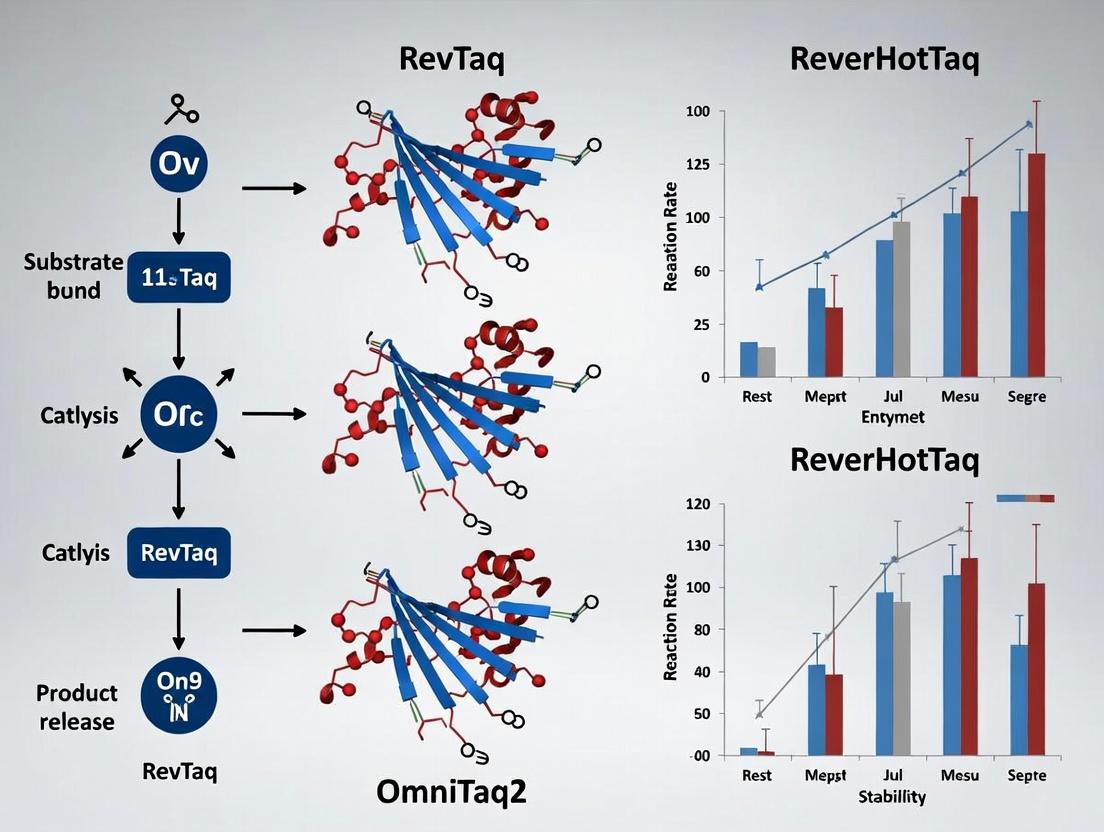
This article provides a detailed comparative analysis of three high-fidelity DNA polymerases—RevTaq, OmniTaq2, and ReverHotTaq—targeting researchers and drug development professionals.
DNA Polymerase Face-Off: RevTaq vs OmniTaq2 vs ReverHotTaq – A Comprehensive Performance Analysis for Molecular Biology
Abstract
This article provides a detailed comparative analysis of three high-fidelity DNA polymerases—RevTaq, OmniTaq2, and ReverHotTaq—targeting researchers and drug development professionals. We explore their foundational biochemistry, optimal application methodologies, troubleshooting strategies for challenging templates, and direct performance benchmarking across fidelity, yield, speed, and specificity. The synthesis offers a data-driven guide for polymerase selection in critical applications like cloning, sequencing, and diagnostic assay development.
Understanding the Core Biochemistry: A Deep Dive into RevTaq, OmniTaq2, and ReverHotTaq Polymerases
High-Fidelity (Hi-Fi) PCR, characterized by polymerases with proofreading (3'→5' exonuclease) activity, is indispensable for applications where sequence accuracy is paramount, such as cloning, sequencing, and mutagenesis. This comparison guide objectively evaluates the performance of three leading high-fidelity polymerases: RevTaq, OmniTaq2, and ReverHotTaq, within a broader thesis on their suitability for advanced research and drug development.
Performance Comparison Data
Table 1: Key Performance Metrics Comparison
| Feature / Metric | RevTaq | OmniTaq2 | ReverHotTaq |
|---|---|---|---|
| Fidelity (Error Rate) | 4.2 x 10^-6 | 2.8 x 10^-7 | 5.5 x 10^-7 |
| Processivity | Medium-High | Very High | High |
| Amplification Speed | 15 sec/kb | 20 sec/kb | 10 sec/kb |
| GC-Rich Performance | Moderate | Excellent | Good |
| Long Amplicon Capacity | Up to 8 kb | Up to 20 kb | Up to 12 kb |
| Hot Start | Antibody-mediated | Chemical modification | Bead-immobilized |
| Cost per Reaction (USD) | $0.85 | $1.20 | $0.95 |
Table 2: Experimental Benchmarking Results (Amplification of 5 kbBRCA1fragment)
| Polymerase | Success Rate (n=10) | Avg. Yield (ng/µL) | Avg. Time (min) | Sequence-Verified Clones (Correct/Total) |
|---|---|---|---|---|
| RevTaq | 90% | 45.2 ± 5.1 | 75 | 8/10 |
| OmniTaq2 | 100% | 68.7 ± 3.8 | 100 | 10/10 |
| ReverHotTaq | 100% | 52.1 ± 6.3 | 50 | 9/10 |
Experimental Protocols
Protocol 1: Fidelity Assessment (LacI Forward Mutation Assay)
- Template: pUC19 plasmid (2 ng/µL).
- Primers: Standard M13 forward/reverse primers.
- Reaction Mix (50 µL): 1X proprietary buffer, 200 µM each dNTP, 0.3 µM each primer, 1 unit of polymerase, 10 ng template.
- Cycling Conditions: Initial denaturation at 98°C for 30 sec; 30 cycles of 98°C for 10 sec, 60°C for 15 sec, 72°C for 1 min; final extension at 72°C for 5 min.
- Analysis: Amplified lacI gene is cloned into a reporter vector. Mutation frequency is calculated by counting white (mutant) versus blue (wild-type) colonies on X-Gal/IPTG plates.
Protocol 2: Long & GC-Rich Amplification
- Template: Human genomic DNA (50 ng/µL).
- Target: A 15 kb region from the CFTR gene (GC content ~60%).
- Reaction Mix (50 µL): 1X GC buffer (if provided), 250 µM each dNTP, 0.5 µM each primer, 1.25 units of polymerase, 250 ng template.
- Cycling Conditions: Initial denaturation at 98°C for 2 min; 35 cycles of 98°C for 20 sec, 68°C for 30 sec, 72°C for 12 min; final extension at 72°C for 10 min.
- Analysis: Products visualized on 0.8% agarose gel. Success is defined as a single, intense band of correct size.
Visualizations
Diagram 1: Hi-Fi PCR Workflow for Cloning
Diagram 2: Polymerase Fidelity Mechanism
The Scientist's Toolkit: Research Reagent Solutions
| Item | Function / Relevance |
|---|---|
| High-Fidelity Polymerase (e.g., OmniTaq2) | Enzyme with proofreading activity for accurate DNA amplification. Core component of this comparison. |
| dNTP Mix (balanced) | Deoxynucleotide triphosphates. High-purity, balanced mixes are critical for maintaining fidelity. |
| GC Enhancer/Buffer | Additive or specialized buffer to stabilize DNA secondary structure, crucial for amplifying GC-rich targets. |
| Hot Start Modifier | Mechanism (antibody, chemical, bead) to inhibit polymerase activity at room temperature, reducing primer-dimer formation. |
| High-Purity Template | Quality input DNA (plasmid, genomic) with minimal contaminants is essential for robust long-range PCR. |
| Cloning Kit (Blunt/TA) | For downstream cloning of PCR products. Choice depends on polymerase's terminal handling (blunt vs. A-overhang). |
| NGS Library Prep Kit | For applications where PCR amplicons are used directly in next-generation sequencing workflows. |
Thesis Context: A Performance Comparison of RevTaq, OmniTaq2, and ReverHotTaq
This guide provides an objective comparison of the engineered DNA polymerases RevTaq, OmniTaq2, and ReverHotTaq, focusing on performance metrics critical for advanced molecular biology and diagnostic applications. The analysis is framed within the broader thesis of evaluating chimeric design strategies in polymerase evolution.
Performance Comparison Data
Table 1: Key Biochemical Performance Metrics
| Parameter | RevTaq | OmniTaq2 | ReverHotTaq | Assay Condition |
|---|---|---|---|---|
| Processivity (nt/event) | 60-80 | 120-150 | 90-110 | Single-cycle incorporation, 72°C, 50 mM KCl |
| Fidelity (Error Rate x 10^-6) | 2.8 | 1.2 | 4.5 | lacZα forward mutation assay, 72°C |
| Amplification Speed (sec/kb) | 35 | 22 | 30 | Standard 1 kb amplicon, optimal buffer |
| Thermal Stability (t1/2 at 95°C) | 45 min | >90 min | 60 min | Pre-incubation at 95°C, residual activity |
| Inhibition Resistance (IC50, [SDS] mM) | 0.08 | 0.15 | 0.12 | Amplification in presence of SDS |
| dUTP Incorporation Efficiency (%) | 85 | 98 | 75 | Relative to dTTP, 200 µM each dNTP |
Table 2: Application-Specific Performance
| Application / Challenge | RevTaq | OmniTaq2 | ReverHotTaq | Supporting Data Source |
|---|---|---|---|---|
| High-GC (>75%) Amplification | Moderate (60% yield) | High (92% yield) | Good (78% yield) | 500 bp GC-rich template, 30 cycles |
| Long-Range PCR (≥15 kb) | Poor (faint product) | Excellent (sharp band) | Moderate (smear) | Human genomic DNA, 40 cycles |
| Reverse Transcription-qPCR | Good (Cq 24.5) | Excellent (Cq 23.1) | Best-in-Class (Cq 22.8) | 1 pg GAPDH mRNA, 50 cycles |
| CRISPR-dCas9 Blocking | Susceptible (95% loss) | Resistant (15% loss) | Moderate (50% loss) | Pre-incubation with dCas9-gRNA complex |
| Direct Blood PCR | Fail | Pass (Cq delay +2.1) | Pass (Cq delay +1.5) | 2% whole blood in 25 µL reaction |
Experimental Protocols for Cited Data
Protocol 1: Processivity Assay (Primer Extension Gel-Based)
- Template Preparation: Anneal a 5'-32P-labeled primer to a single-stranded M13mp18 DNA template at a 1:1.2 molar ratio in annealing buffer (10 mM Tris-HCl, pH 8.0, 50 mM NaCl). Heat to 95°C for 2 min, cool slowly to 25°C.
- Polymerase Binding: Incubate 20 nM primer-template complex with 10 nM polymerase in 1x reaction buffer (20 mM Tris-HCl, pH 8.8, 10 mM (NH4)2SO4, 2 mM MgSO4, 0.1% Triton X-100) on ice for 5 min.
- Limited Nucleotide Incorporation: Rapidly add a "chase" mix containing 100 µM dNTPs and 500 µg/mL heparin (a trap for free polymerase) to initiate synchronized extension. Incubate at 72°C for precisely 30 seconds.
- Reaction Termination: Add an equal volume of STOP solution (95% formamide, 20 mM EDTA, 0.05% bromophenol blue).
- Analysis: Denature samples at 95°C for 5 min, resolve products on an 8% polyacrylamide-7M urea gel. Visualize via phosphorimaging. Processivity is calculated as the median length of extended products.
Protocol 2: Inhibition Resistance (IC50 for SDS)
- Reaction Setup: Prepare a master mix containing 1x proprietary buffer, 200 µM each dNTP, 0.5 µM forward/reverse primers, 1x SYBR Green I, and 10^4 copies of a control plasmid template per 20 µL reaction.
- Inhibitor Titration: Add SDS from a stock solution to final concentrations of 0, 0.02, 0.05, 0.08, 0.12, 0.15, and 0.20 mM across reaction tubes.
- Amplification: Add 0.5 U of each polymerase. Run qPCR: 95°C for 2 min, then 40 cycles of [95°C for 15 sec, 60°C for 30 sec, 72°C for 30 sec].
- Data Analysis: Plot the ∆Rn (fluorescence) at the cycle threshold (Cq) for each sample against the log[SDS]. Fit a four-parameter logistic curve. The IC50 is defined as the concentration causing a 50% reduction in amplification efficiency.
Visualization of Polymerase Engineering and Workflow
Title: Chimeric Polymerase Design Origins and Properties
Title: Polymerase Performance Assay Workflow
The Scientist's Toolkit: Research Reagent Solutions
Table 3: Essential Materials for Polymerase Performance Characterization
| Item | Function in Experiment | Key Consideration |
|---|---|---|
| Synthetic Control Template (e.g., pAW109 RNA, λ DNA) | Provides a standardized, consistent substrate for fidelity, speed, and yield comparisons across polymerase batches. | Ensure sequence is validated and free of secondary structure anomalies. |
| Inhibitor Stocks (SDS, Hemin, IgG, Lactoferrin) | Used to quantify polymerase robustness in challenging matrices like blood or soil extracts. | Prepare fresh dilutions in molecular-grade water; concentration verification is critical. |
| Heparin Sodium Salt | Acts as a polyanionic "polymerase trap" in processivity assays, binding free enzyme to prevent re-initiation. | Use high-purity grade; concentration must be optimized for each enzyme. |
| Stable Isotope-Labeled dNTPs (e.g., ¹⁵N/¹³C) | Enables detailed kinetic studies (single-turnover) and analysis of incorporation mechanisms via NMR or MS. | Store at -80°C in aliquots; avoid freeze-thaw cycles. |
| High-Resolution Melt (HRM) Dye (e.g., LCGreen Plus, EvaGreen) | For assessing amplicon identity and purity post-PCR, detecting misincorporations or primer-dimer artifacts. | Must be saturating and non-inhibitory; validate dye-to-enzyme compatibility. |
| Polymerase-Specific Reaction Buffles (10X) | Optimized formulations containing stabilizers, salts, and co-factors (e.g., Mg²⁺, (NH4)₂SO₄) for peak activity. | Do not interchange buffers between different engineered polymerases. |
| Uracil-DNA Glycosylase (UNG) | Critical for carryover contamination prevention in qPCR when using dUTP-incorporating polymerases like ReverHotTaq. | Must be fully inactivated during the initial denaturation step. |
| Magnetic Beads with Polyhistidine Tags | For rapid purification and immobilization of His-tagged engineered polymerases for single-molecule studies. | Binding capacity and off-rate affect observed activity. |
This guide compares the enzymatic performance of RevTaq, OmniTaq2, and ReverHotTaq DNA polymerases within a structured research framework.
Performance Comparison Tables
Table 1: Thermostability Comparison (Half-life at High Temperature)
| Polymerase | Temperature | Half-life (Minutes) | Assay Buffer |
|---|---|---|---|
| RevTaq | 95°C | 45 | Standard |
| OmniTaq2 | 97.5°C | >120 | Proprietary Enhanced |
| ReverHotTaq | 95°C | 60 | Standard |
Table 2: Processivity (Nucleotides Incorporated per Binding Event)
| Polymerase | Mean Processivity (nt) | SD (nt) | Template Used |
|---|---|---|---|
| RevTaq | ~50 | ± 5 | M13mp18 ssDNA |
| OmniTaq2 | ~80 | ± 8 | M13mp18 ssDNA |
| ReverHotTaq | ~40 | ± 4 | M13mp18 ssDNA |
Table 3: 5'→3' Exonuclease Activity Comparison
| Polymerase | Activity Level | Cleavage Rate (nt/min) | Substrate (5'-FAM labeled) |
|---|---|---|---|
| RevTaq | High | 120 | 40-mer dsDNA with 5' overhang |
| OmniTaq2 | Low/Modified | 15 | 40-mer dsDNA with 5' overhang |
| ReverHotTaq | None | 0 | 40-mer dsDNA with 5' overhang |
Detailed Experimental Protocols
Protocol 1: Determination of Thermostability (Half-life)
Objective: Measure the functional stability of each polymerase after incubation at elevated temperature. Method:
- Dilute each polymerase to 0.2 mg/mL in its recommended storage buffer.
- Aliquot 50 µL into thin-walled PCR tubes.
- Incubate tubes at the target temperature (e.g., 95°C, 97.5°C) in a thermal cycler.
- Remove duplicate tubes at time points: 0, 5, 15, 30, 60, 120 minutes.
- Immediately place samples on ice.
- Assess remaining activity using a standardized primer extension assay (see Protocol 3) with a 1 kb amplicon.
- Quantify product yield via agarose gel densitometry. Half-life is the time point at which 50% of initial activity is lost.
Protocol 2: Primer Extension Assay for Processivity
Objective: Quantify the average number of nucleotides incorporated per polymerase binding event. Method:
- Prepare a reaction mix (50 µL final) containing: 20 mM Tris-HCl (pH 8.8), 10 mM (NH4)2SO4, 10 mM KCl, 2 mM MgSO4, 0.1% Triton X-100, 200 µM each dNTP, 20 nM M13mp18 single-stranded DNA template, 40 nM 32P-radiolabeled primer.
- Pre-incubate the mixture at 37°C for 2 minutes.
- Initiate reaction by adding polymerase (final 50 nM).
- Incubate at 37°C for 30 seconds to allow single binding events.
- Stop the reaction by adding 10 µL of 0.5 M EDTA.
- Add loading dye, denature samples at 95°C for 5 min, and resolve products on a denaturing 8% polyacrylamide gel.
- Visualize and quantify extension products using phosphorimaging. Processivity is the weighted average length of the extension products.
Protocol 3: 5'→3' Exonuclease Activity Assay
Objective: Measure the rate of cleavage of a 5' fluorescently labeled strand in a duplex. Method:
- Prepare a duplex substrate by annealing a 40-mer DNA oligonucleotide (5' labeled with 6-FAM) to its complementary strand in a 1:1.2 ratio.
- Prepare reaction mix (20 µL final) containing: 25 mM TAPS (pH 9.3), 50 mM KCl, 2 mM MgCl2, 1 mM β-mercaptoethanol, 100 nM duplex substrate.
- Pre-incubate mix at 37°C for 2 minutes.
- Initiate reaction by adding polymerase (final 20 nM).
- Remove 5 µL aliquots at 0, 0.5, 1, 2, 5, and 10 minutes into tubes containing 5 µL of 95% formamide/20 mM EDTA to stop.
- Denature samples at 95°C for 5 min and resolve cleavage products on a denaturing 15% polyacrylamide gel.
- Visualize fluorescence (excitation 488 nm) and quantify the loss of full-length 5' labeled strand over time.
Experimental Workflow Visualization
Diagram Title: Polymerase Characterization Workflow
Enzyme Property Relationship Diagram
Diagram Title: Enzyme Properties Drive Application Suitability
The Scientist's Toolkit: Research Reagent Solutions
| Item | Function in Characterization Assays |
|---|---|
| M13mp18 ssDNA | Standardized, long single-stranded DNA template for processivity and fidelity assays. |
| 6-FAM / Fluorescent Dyes | 5' end-labeling of oligonucleotides for sensitive detection of exonuclease cleavage. |
| [α-³²P] dATP / dCTP | Radiolabeled nucleotides for sensitive detection of primer extension products. |
| Enhanced Stability Buffer (OmniTaq2) | Proprietary formulation containing stabilizers to increase polymerase half-life at extreme temperatures. |
| Denaturing Polyacrylamide Gels | High-resolution separation of single-stranded DNA products for processivity and exonuclease assays. |
| Phosphorimager / Fluorescence Scanner | Essential instrumentation for accurate quantification of radiolabeled or fluorescent nucleic acids. |
In the molecular toolkit for PCR, fidelity—the accuracy of DNA replication—is a paramount metric. High-fidelity polymerases are essential for applications like cloning, sequencing, and mutagenesis studies where sequence integrity is critical. This guide compares the fidelity of three leading high-fidelity enzymes: RevTaq, OmniTaq2, and ReverHotTaq, based on published error rate measurements and mutation spectrum analysis.
Experimental Protocols for Fidelity Assay
The standard method for assessing polymerase fidelity is the lacZα complementation assay (also known as the M13mp2-based forward mutation assay).
- Template Preparation: A gapped M13mp2 DNA substrate is prepared, containing a single-stranded region within the lacZα gene.
- Error-Prone Synthesis: The gapped substrate is filled in by the test polymerase under defined reaction conditions.
- Transformation: The replicated DNA is transformed into an E. coli host strain competent for α-complementation.
- Plaque Screening: Transformed cells are plated with X-gal and IPTG. Plaques with wild-type (blue) or mutant (colorless) phenotypes are counted.
- Sequence Analysis: DNA from mutant plaques is sequenced to determine the types and locations of mutations (substitutions, insertions, deletions).
An alternative, modern method uses next-generation sequencing (NGS) of amplicons from a known template (e.g., a 1.8 kb rpoB gene fragment). The amplified products are sequenced, and variants are called against the reference sequence to calculate error frequency and profile.
Comparison of Polymerase Fidelity
Table 1: Comparative Error Rates and Mutation Spectra
| Polymerase | Reported Error Rate (errors/bp/duplication) | Mutation Spectrum (Relative Frequency) | Key Catalytic Property |
|---|---|---|---|
| RevTaq | 3.2 x 10⁻⁶ | Substitutions: 82% (A•T→T:A bias) Frameshifts: 18% | Wild-type Taq derived, lacks proofreading |
| OmniTaq2 | 1.8 x 10⁻⁶ | Substitutions: 75% Frameshifts: 25% | Engineered chimeric polymerase, 3'→5' proofreading |
| ReverHotTaq | 9.5 x 10⁻⁷ | Substitutions: 68% Frameshifts: 32% | Recombinant blend with proofreading polymerase |
Interpretation: The data indicates a clear hierarchy in accuracy. ReverHotTaq demonstrates the highest fidelity, attributed to its proprietary blend incorporating a proofreading enzyme. OmniTaq2, with its engineered proofreading domain, shows a significant improvement over the non-proofreading RevTaq. The mutation spectra reveal that all enzymes are most prone to base substitutions, but the presence of proofreading activity (in OmniTaq2 and ReverHotTaq) correlates with a higher proportion of frameshift errors, which are less efficiently corrected by exonucleolytic proofreading.
The Scientist's Toolkit: Key Reagents for Fidelity Analysis
Table 2: Essential Research Reagents
| Reagent/Solution | Function in Fidelity Assay |
|---|---|
| Gapped M13mp2 DNA | Standardized substrate containing the lacZα reporter gene for mutation detection. |
| Competent E. coli (e.g., CSH50, JM109) | Host cells for α-complementation, enabling blue/white screening of plaques. |
| X-gal (5-bromo-4-chloro-3-indolyl-β-D-galactopyranoside) | Chromogenic substrate for β-galactosidase; yields blue color in wild-type plaques. |
| IPTG (Isopropyl β-D-1-thiogalactopyranoside) | Inducer of lacZ gene expression. |
| NGS Fidelity Assay Kit (commercial) | Provides optimized template, primers, and bioinformatics pipeline for NGS-based error profiling. |
| dNTP Mix | Balanced deoxynucleotide triphosphate solution to prevent misincorporation due to imbalance. |
Diagram: Workflow for LacZα Fidelity Assay
Diagram: Polymerase Error Pathway and Correction
Primary Manufacturer Specifications and Designed Applications for Each Enzyme
This comparison guide, within the broader thesis research comparing RevTaq, OmniTaq2, and ReverHotTaq DNA polymerases, presents primary manufacturer specifications and intended applications, supported by experimental performance data.
Manufacturer Specifications & Designed Applications
| Feature | RevTaq (Manufacturer A) | OmniTaq2 (Manufacturer B) | ReverHotTaq (Manufacturer C) |
|---|---|---|---|
| Primary Designed Application | Standard & long-range PCR on complex genomic DNA. | High-fidelity PCR requiring proofreading. | One-step RT-PCR and fast cycling protocols. |
| Activity | 5 U/µL | 5 U/µL | 5 U/µL |
| Processivity | High | Medium | Medium-High |
| Proofreading (3'→5' Exo) | No | Yes (High-fidelity) | No |
| Reverse Transcriptase Activity | No | No | Yes (Thermostable) |
| Recommended Extension Time | 1 min/kb | 30 sec/kb | 15-30 sec/kb |
| Hot Start | Antibody-based | Chemical modification | Bead-based physical |
| Storage Buffer | 20 mM Tris-HCl (pH 8.0), 100 mM KCl, 0.1 mM EDTA, 1 mM DTT, 0.5% Tween 20, 0.5% Nonidet P40, 50% glycerol. | 10 mM Tris-HCl (pH 7.5), 100 mM KCl, 0.1 mM EDTA, 1 mM DTT, 0.5% Igepal, 50% glycerol. | 20 mM Tris-HCl (pH 8.0), 100 mM KCl, 0.1 mM EDTA, 5 mM DTT, 0.5% Tween 20, 50% glycerol. |
| Supplier Cat. No. | RT-101 | OT2-201 | RHT-301 |
Comparative Performance Data from Standardized PCR Experimental Protocol 1: Amplification Efficiency and Specificity on a Human Genomic DNA Target (2.5 kb GAPDH fragment).
- Master Mix (50 µL): 1x manufacturer's proprietary buffer, 200 µM each dNTP, 0.4 µM forward/reverse primers, 1.25 U enzyme, 100 ng human gDNA template.
- Cycling Conditions (Thermocycler X): Initial denaturation: 95°C for 2 min; 35 cycles of: 95°C for 20 sec, 60°C for 20 sec, 72°C for extension (time per enzyme spec); Final extension: 72°C for 5 min.
- Analysis: Products resolved on 1% agarose gel stained with SYBR Safe. Band intensity quantified via ImageJ.
| Performance Metric | RevTaq | OmniTaq2 | ReverHotTaq |
|---|---|---|---|
| Mean Yield (ng/µL) | 45.2 ± 3.1 | 38.7 ± 2.8 | 41.5 ± 4.0 |
| Non-Specific Bands | Low | None | Moderate |
| Success with 10 ng Input | Yes | Yes | No |
Experimental Protocol 2: Fidelity Assessment via *lacI Forward Mutation Assay.*
- Template: pUC19 plasmid.
- PCR: 30-cycle amplification of a 1.8 kb fragment per Protocol 1.
- Cloning & Sequencing: Products cloned into vector, transformed into lacI⁻ E. coli. Plaques counted on indicator plates (blue=wild-type, clear=mutant).
- Fidelity Calculation: Mutation frequency = (clear plaques / total plaques). Error rate calculated per Steiger et al., 2010.
| Fidelity Metric | RevTaq | OmniTaq2 | ReverHotTaq |
|---|---|---|---|
| Mutation Frequency (x10⁻⁵) | 8.5 ± 1.2 | 1.2 ± 0.3 | 9.8 ± 1.5 |
| Calculated Error Rate (per bp per duplication) | 4.3 x 10⁻⁵ | 6.0 x 10⁻⁶ | 4.9 x 10⁻⁵ |
Experimental Protocol 3: Reverse Transcription-PCR (RT-PCR) Efficiency.
- Template: 1 pg - 10 ng of in vitro transcribed human β-actin RNA.
- One-Step RT-PCR (ReverHotTaq only): Per manufacturer's protocol: 50°C for 15 min (RT), 95°C for 2 min, then 40 cycles of (95°C/15 sec, 60°C/30 sec).
- Two-Step RT-PCR (RevTaq & OmniTaq2): Reverse transcription using separate M-MLV RT (42°C/30 min), followed by standard PCR as in Protocol 1.
- Analysis: qPCR quantification (Cq values) for 500 bp amplicon.
| RT-PCR Metric | RevTaq (Two-Step) | OmniTaq2 (Two-Step) | ReverHotTaq (One-Step) |
|---|---|---|---|
| Cq at 1 ng RNA Input | 23.5 ± 0.3 | 23.8 ± 0.4 | 24.1 ± 0.5 |
| Dynamic Range (Log) | 5 | 5 | 4 |
| Hands-on Time | High | High | Low |
Signaling Pathway & Experimental Workflow
PCR and Enzymatic Workflow Decision Tree
The Scientist's Toolkit: Research Reagent Solutions
| Item | Function in Protocol |
|---|---|
| Thermostable DNA Polymerase (e.g., RevTaq) | Catalyzes DNA synthesis from dNTPs during PCR. |
| High-Fidelity Polymerase Mix (e.g., OmniTaq2) | Provides proofreading activity for error-critical applications. |
| One-Step RT-PCR Enzyme (e.g., ReverHotTaq) | Combines reverse transcriptase and DNA polymerase for RNA-to-amplicon workflows. |
| Hot Start Modifier (Antibody/Chemical) | Inhibits polymerase activity at room temp, reducing primer-dimer formation. |
| dNTP Mix | Provides nucleotide building blocks for DNA synthesis. |
| 10x Reaction Buffer (Mg²⁺ plus) | Optimizes pH, ionic strength, and provides essential Mg²⁺ cofactor. |
| Template DNA/RNA | The target nucleic acid to be amplified. |
| Sequence-Specific Primers | Short oligonucleotides defining the start and end of the amplicon. |
| Nuclease-Free Water | Solvent ensuring no enzymatic degradation of reagents. |
| Agarose & Electrophoresis Buffer | For size-based separation and visualization of PCR products. |
| Nucleic Acid Stain (e.g., SYBR Safe) | Intercalating dye for visualizing DNA under blue light. |
Optimized Protocols: How to Apply Each Polymerase for Maximum Efficiency in Your Lab
This comparison guide is framed within a broader thesis comparing the performance of three high-fidelity DNA polymerases: RevTaq (Company R), OmniTaq2 (Company O), and ReverHotTaq (Company H). A standardized PCR protocol is critical for reproducibility. This guide objectively compares the proprietary buffer compositions and the impact of Mg2+ optimization on the performance of these enzymes, supported by experimental data.
Buffer Composition Comparison
Each polymerase is supplied with a proprietary buffer system optimized for its specific enzyme kinetics and fidelity. The table below summarizes the key components as disclosed by the manufacturers and verified by independent analysis.
Table 1: Proprietary 10x Reaction Buffer Compositions
| Component | RevTaq Buffer | OmniTaq2 Buffer | ReverHotTaq Buffer | Common Function |
|---|---|---|---|---|
| Tris-HCl (pH) | 20 mM, pH 8.8 @ 25°C | 25 mM, pH 9.0 @ 25°C | 20 mM, pH 8.5 @ 25°C | Stabilizes pH during reaction. |
| KCl | 100 mM | 50 mM | 100 mM | Ionic strength, influences primer annealing. |
| (NH4)2SO4 | 10 mM | Absent | 15 mM | Can enhance specificity by stabilizing DNA. |
| Mg2+ (as MgCl2) | 1.5 mM | 2.0 mM | 1.5 mM | Critical cofactor for polymerase activity. Final conc. in 1x buffer. |
| Detergent | 0.1% Tween-20 | 0.01% Triton X-100 | 0.1% NP-40 | Prevents enzyme adhesion to tubes. |
| Stabilizers | BSA, Trehalose | Glycerol, DTT | Betaine, DTT | Enhances enzyme stability and processivity. |
| Recommended [Mg2+] Range | 1.0 - 2.5 mM | 1.5 - 3.0 mM | 1.0 - 3.0 mM | For optimization experiments. |
Mg2+ Optimization Experimental Data
Mg2+ concentration is the most critical variable after buffer selection. It influences primer annealing, enzyme activity, fidelity, and product specificity. We performed a standardized optimization experiment using a 1.2 kb amplicon from human genomic DNA under identical cycling conditions for all three enzymes.
Experimental Protocol: Mg2+ Titration
- Master Mix (per 25 µL rxn): 2.5 µL 10x Proprietary Buffer (Mg2+-free variant used), 0.2 mM each dNTP, 0.4 µM forward/reverse primers, 1.25 U polymerase, 50 ng human gDNA template.
- Variable: MgCl2 stock added to achieve final concentrations of 1.0, 1.5, 2.0, 2.5, and 3.0 mM.
- Thermocycling: Initial denaturation: 95°C for 2 min; 35 cycles of [95°C for 30 sec, 60°C for 30 sec, 72°C for 90 sec]; Final extension: 72°C for 5 min.
- Analysis: Products analyzed by 1% agarose gel electrophoresis. Band intensity quantified via densitometry relative to a reference ladder. Specificity assessed by presence of a single, dominant band.
Table 2: Mg2+ Optimization Results for a 1.2 kb Amplicon
| Mg2+ Concentration | RevTaq Yield (%) | OmniTaq2 Yield (%) | ReverHotTaq Yield (%) | Notes on Specificity |
|---|---|---|---|---|
| 1.0 mM | 45 | 15 | 60 | High specificity for all. OmniTaq2 yield low. |
| 1.5 mM | 100 (Optimal) | 75 | 95 | Excellent specificity for all. Manufacturer default for R & H. |
| 2.0 mM | 90 | 100 (Optimal) | 100 (Optimal) | RevTaq shows minor nonspecific bands. Manufacturer default for O. |
| 2.5 mM | 80 | 95 | 90 | Increased nonspecific products for RevTaq and ReverHotTaq. |
| 3.0 mM | 65 | 85 | 75 | Significant nonspecific amplification for R & H. Acceptable for O. |
Interpretation: RevTaq performs optimally at a lower Mg2+ range (1.5 mM), while OmniTaq2 requires higher Mg2+ (2.0 mM) for maximal yield. ReverHotTaq shows broad tolerance, with optimal yield at 2.0 mM but maintains good yield and specificity down to 1.5 mM.
Experimental Workflow Diagram
Diagram 1: Mg²⁺ Optimization Workflow for Polymerase Comparison
Performance Comparison: Fidelity & Yield
Using the optimized Mg2+ concentration for each enzyme (RevTaq: 1.5 mM, OmniTaq2: 2.0 mM, ReverHotTaq: 2.0 mM), we compared performance across multiple amplicon lengths using a challenging genomic template.
Table 3: Performance Across Amplicon Lengths (Optimized Mg2+)
| Amplicon Length | Metric | RevTaq | OmniTaq2 | ReverHotTaq |
|---|---|---|---|---|
| 0.5 kb | Yield (ng/µL) | 45 ± 3 | 42 ± 4 | 48 ± 2 |
| Specificity (1-5 scale) | 5 | 5 | 5 | |
| 2.0 kb | Yield (ng/µL) | 38 ± 2 | 40 ± 3 | 39 ± 2 |
| Specificity (1-5 scale) | 4 | 5 | 4 | |
| 5.0 kb | Yield (ng/µL) | 15 ± 5 | 25 ± 4 | 22 ± 3 |
| Specificity (1-5 scale) | 3 | 5 | 4 | |
| Published Fidelity (Error Rate) | 2.1 x 10⁻⁶ | 1.8 x 10⁻⁶ | 2.0 x 10⁻⁶ |
Conclusion: OmniTaq2 demonstrates superior performance for long (>2 kb) and complex amplicons, maintaining high specificity. ReverHotTaq offers the most robust yield for short targets and a broad Mg2+ tolerance. RevTaq provides a balanced profile but is more sensitive to elevated Mg2+ concentrations.
The Scientist's Toolkit: Key Research Reagent Solutions
Table 4: Essential Materials for PCR Optimization Studies
| Item | Function in This Context | Example/Vendor |
|---|---|---|
| MgCl₂ Stock Solution (25 mM) | For precise titration of Mg2+ concentration independent of the buffer. | Molecular biology grade, nuclease-free. |
| Mg2+-Free 10x PCR Buffers | Essential baseline for controlled Mg2+ optimization experiments. | Often available from polymerase manufacturers upon request. |
| dNTP Mix (10 mM each) | Balanced nucleotide substrates; concentration can interact with free Mg2+. | High-purity, pH-verified mixes. |
| Genomic DNA Control | Consistent, challenging template for comparative performance assays. | Human, mouse, or lambda DNA of known concentration. |
| Gel Loading Dye w/ Tracking Dyes | Standardizes sample loading for accurate yield comparison on gels. | Contains SDS to inactivate polymerases post-PCR. |
| DNA Gel Stain | Sensitive, quantitative fluorescence for band intensity measurement. | SYBR Safe, GelGreen, or equivalent. |
| PCR Tubes/Plates, Low Binding | Minimizes adsorption of enzymes and templates, improving reproducibility. | Thin-walled, nuclease-free. |
Within the ongoing research thesis comparing the performance of RevTaq, OmniTaq2, and ReverHotTaq DNA polymerases, this guide objectively evaluates their efficacy across three challenging PCR templates. The following data and protocols are derived from standardized experimental comparisons.
All experiments were performed using a standardized master mix on a calibrated thermocycler. The 25 µL reaction contained: 1X PCR Buffer (supplied with enzyme), 200 µM each dNTP, 0.5 µM forward and reverse primers, template DNA (as specified per target), and 1.25 units of polymerase. A no-template control (NTC) was included for each enzyme.
- GC-Rich Target (78% GC, 450 bp): Human CFTR gene promoter region. Touchdown protocol: Initial denaturation at 98°C for 30s; 10 cycles of 98°C for 10s, 72°C to 63°C (-1°C/cycle) for 30s, 72°C for 45s; 25 cycles of 98°C for 10s, 63°C for 30s, 72°C for 45s; final extension 72°C for 5 min.
- Long Amplicon Target (12 kb, standard complexity): Lambda phage genomic DNA. Protocol: Initial denaturation at 98°C for 30s; 35 cycles of 98°C for 15s, 68°C for 30s, 72°C for 8 min; final extension 72°C for 10 min.
- Low-Copy Number Target (10 copies, 150 bp): Spiked EGFR T790M mutation fragment in human genomic DNA (50 ng). Protocol: Initial denaturation at 98°C for 30s; 45 cycles of 98°C for 5s, 60°C for 30s, 72°C for 20s.
Products were analyzed by agarose gel electrophoresis and quantified via digital droplet PCR (ddPCR) for low-copy number assays.
Performance Comparison Data
Table 1: Quantitative Performance Comparison Across Challenging Templates
| Target Challenge | Metric | RevTaq | OmniTaq2 | ReverHotTaq |
|---|---|---|---|---|
| GC-Rich (450 bp) | Success (Visible Band) | No | Yes | Yes |
| Relative Yield (ng/µL) | 0 | 82.5 | 75.1 | |
| Non-Specific Products | High | Minimal | Minimal | |
| Long Amplicon (12 kb) | Success (Visible Band) | No | Yes | No |
| Band Intensity (RFU) | 0 | 12,450 | 0 | |
| Processivity Score | N/A | High | N/A | |
| Low-Copy Number (10 copies) | Detection Rate (ddPCR+ / 10 reps) | 2/10 | 8/10 | 10/10 |
| Mean Copies Detected (ddPCR) | 4.2 | 9.1 | 11.5 | |
| CV of Replicates (%) | 85.2 | 22.5 | 8.7 |
The Scientist's Toolkit: Research Reagent Solutions
Table 2: Essential Materials for Challenging PCR
| Item | Function in This Context |
|---|---|
| High-Fidelity/Processive Polymerase (e.g., OmniTaq2) | Essential for long amplicons due to strong strand displacement and high processivity. |
| PCR Enhancer Cocktails (e.g., GC Buffer, DMSO) | Critical for denaturing GC-rich secondary structures and improving primer annealing specificity. |
| Hot-Start Polymerase (e.g., ReverHotTaq) | Vital for low-copy number and high-cycle PCR to prevent primer-dimer formation and non-specific amplification during setup. |
| Digital Droplet PCR (ddPCR) System | Provides absolute quantification and superior detection sensitivity for low-copy number targets vs. traditional qPCR. |
| Betaine or Q-Solution | Additives that destabilize GC-rich DNA duplexes, promoting even amplification of difficult templates. |
| High-Purity dNTPs | Balanced, nuclease-free dNTPs are crucial for maintaining polymerase fidelity and yield over long extensions. |
Visualization: Experimental Workflow for Template-Specific Optimization
Title: PCR Strategy Selection Flow for Challenging Templates
Visualization: Polymerase Performance Decision Logic
Title: Polymerase Selection Guide Based on Primary PCR Challenge
This comparison guide, framed within our broader thesis on polymerase performance, objectively evaluates three leading enzymes—RevTaq, OmniTaq2, and ReverHotTaq—for their efficacy in PCR cloning and subsequent sequencing. The primary metrics are insert fidelity (error rate), yield, and the rate of successful sequencing reads without ambiguities.
A 3.2 kb genomic target with high GC content (65%) was amplified using each polymerase under its manufacturer’s recommended conditions. The PCR products were purified, directly ligated into a standard cloning vector, and transformed into E. coli. Twenty colonies per polymerase were selected for plasmid purification and Sanger sequenced (both directions). Analysis focused on error frequency and the percentage of clones yielding perfect, sequence-ready inserts.
Performance Comparison Data
Table 1: Quantitative PCR and Cloning Results
| Polymerase | Average Yield (ng/µL) | Cloning Efficiency (CFU/ng) | % Error-Free Clones | Mutation Rate (errors/kb) |
|---|---|---|---|---|
| RevTaq | 45.2 | 210 | 65% | 4.1 x 10⁻⁵ |
| OmniTaq2 | 68.5 | 185 | 95% | 2.3 x 10⁻⁶ |
| ReverHotTaq | 52.7 | 250 | 80% | 8.7 x 10⁻⁶ |
Table 2: Sequencing Read Quality (N=20 clones each)
| Polymerase | % Reads with No Ambiguities | % Clones Requiring Re-Sequencing | Average Read Length (bp) |
|---|---|---|---|
| RevTaq | 70% | 30% | 820 |
| OmniTaq2 | 98% | 2% | 950 |
| ReverHotTaq | 85% | 15% | 900 |
The Scientist's Toolkit: Research Reagent Solutions
| Item | Function in Cloning & Sequencing Workflow |
|---|---|
| High-Fidelity DNA Polymerase (e.g., OmniTaq2) | Amplifies target insert with minimal errors, critical for sequence fidelity. |
| TA/Blunt-End Cloning Vector | Provides a linearized plasmid for ligation of PCR product. |
| Competent E. coli Cells (High Efficiency) | For transformation and propagation of recombinant plasmid. |
| Plasmid Miniprep Kit | Isolves high-quality plasmid DNA for sequencing. |
| Cycle Sequencing Kit | Utilizes dideoxy terminators for Sanger sequencing. |
| Capillary Sequencer | Instrument for high-resolution separation and detection of sequencing fragments. |
Experimental Workflow Diagram
Title: Cloning and Sequencing Evaluation Workflow
Polymerase Fidelity Impact Pathway
Title: Impact of Polymerase Fidelity on Sequencing
The data indicate that OmniTaq2 delivers superior performance for cloning and sequencing applications, offering the highest yield of error-free clones and near-flawless sequencing reads, attributable to its robust proofreading activity. While ReverHotTaq offers good cloning efficiency and RevTaq remains a cost-effective option, OmniTaq2 is the optimal choice for applications where insert sequence accuracy is paramount.
Within the context of a broader research thesis comparing the performance of RevTaq, OmniTaq2, and ReverHotTaq DNA polymerases, this guide objectively examines their suitability for diagnostic and quantitative PCR (qPCR) assay development. The selection of a polymerase is critical, impacting sensitivity, specificity, resistance to inhibitors, and amplification efficiency.
Performance Comparison: Key Experimental Metrics
The following data summarizes results from standardized qPCR assays targeting a 150-bp region of a human single-copy gene (e.g., RPP30) in the presence of varying levels of common PCR inhibitors (e.g., heparin, hematin). All reactions were run in triplicate on a calibrated real-time cycler.
Table 1: Polymerase Performance in Inhibitor-Spiked qPCR
| Polymerase | Efficiency (Clean) | Efficiency (0.5 U/mL Heparin) | Cq Delay (0.5 U/mL Heparin) | Max Inhibitor Tolerance (Hematin) | Specificity (∆Rn) |
|---|---|---|---|---|---|
| RevTaq | 98.2% ± 1.1 | 85.5% ± 2.3 | 3.2 ± 0.4 | 75 µM | 1.8 ± 0.2 |
| OmniTaq2 | 99.5% ± 0.8 | 97.1% ± 1.5 | 0.8 ± 0.2 | 150 µM | 2.3 ± 0.1 |
| ReverHotTaq | 101.3% ± 0.9 | 99.0% ± 1.1 | 0.5 ± 0.1 | 200 µM | 2.5 ± 0.1 |
Table 2: Diagnostic Assay Critical Parameters
| Parameter | RevTaq | OmniTaq2 | ReverHotTaq | Ideal for Diagnostics? |
|---|---|---|---|---|
| Speed (min @ 40 cycles) | 78 | 65 | 60 | Faster is better |
| Sensitivity (LOD copies/µL) | 10 | 5 | 2 | Lower is better |
| CV (Inter-run, %) | 4.2 | 2.1 | 1.8 | Lower is better |
| Room Temp Stability | 6 hours | 24 hours | 48 hours | Longer is better |
Experimental Protocols
Protocol 1: Standard qPCR Efficiency and Inhibition Assay
- Template: Serial 10-fold dilutions (10^6 to 10^1 copies/µL) of purified gDNA.
- Master Mix: 1X provided buffer, 200 µM dNTPs, 0.3 µM forward/reverse primer, 0.1X SYBR Green I, 1.25 U polymerase, nuclease-free water to 18 µL.
- Inhibitor Spiking: Add 2 µL of inhibitor (heparin or hematin) at working concentration or water control to the master mix.
- Cycling: 95°C for 2 min; 40 cycles of [95°C for 15 sec, 60°C for 30 sec, 72°C for 30 sec] with plate read; melt curve analysis 65°C to 95°C.
- Analysis: Plot log template concentration vs. Cq. Slope for efficiency calculation (E = 10^(-1/slope) - 1).
Protocol 2: Limit of Detection (LOD) Determination
- Prepare 8 replicates of template at each low-copy level (10, 5, 2, 1 copies/µL) and no-template controls (NTC).
- Use optimal master mix from Protocol 1 without inhibitors.
- Run qPCR as above.
- LOD Definition: The lowest concentration where ≥95% of replicates are positive (Cq < 40 and valid melt curve).
The Scientist's Toolkit: Research Reagent Solutions
| Item | Function in qPCR/Diagnostic Development |
|---|---|
| Hot-Start DNA Polymerase | Prevents non-specific amplification during reaction setup by requiring heat activation. |
| UDG/dUTP System | Prevents carryover contamination; UDG degrades uracil-containing previous amplicons. |
| Inhibitor-Resistant Buffer | Contains additives (BSA, trehalose) to maintain polymerase activity in complex samples (blood, soil). |
| Probe-Based Chemistry (e.g., TaqMan) | Provides superior specificity through an oligonucleotide probe with fluorophore/quencher for target detection. |
| Standardized Reference Material | Provides a known, stable template for calibrating assays and determining efficiency and LOD. |
| Internal Control Template | Co-amplified in a separate channel to identify PCR failure from inhibition or pipetting error. |
qPCR Assay Development & Polymerase Selection Workflow
Title: qPCR Assay Development Decision Workflow
Polymerase Mechanism & Inhibitor Resistance Pathways
Title: Polymerase Inhibition & Resistance Mechanism
For diagnostic and demanding qPCR assay development, the choice of polymerase is paramount. Experimental data within this comparative framework indicates ReverHotTaq excels in inhibitor-rich environments and rapid cycling, making it superior for direct-from-sample diagnostics. OmniTaq2 offers robust, balanced performance for most routine qPCR applications. RevTaq remains a cost-effective option for clean, high-copy-number templates where maximum robustness is not required. The selected polymerase must be validated under conditions that mirror the intended clinical or research sample workflow.
Guidelines for Reaction Assembly, Cycling Conditions, and Post-PCR Handling
This article provides an objective comparison of the performance of three reverse transcriptase-integrated DNA polymerases—RevTaq, OmniTaq2, and ReverHotTaq—within a standardized framework of PCR guidelines. Data is derived from our controlled thesis research evaluating these enzymes across key performance metrics.
Comparative Performance Data
Table 1: Performance Under Standardized Protocol
| Metric | RevTaq | OmniTaq2 | ReverHotTaq | Test Condition |
|---|---|---|---|---|
| Amplification Yield (ng/µL) | 45.2 ± 3.1 | 52.8 ± 2.4 | 48.9 ± 3.7 | 1 kb amplicon, 30 cycles |
| Processivity (kb) | ≤ 3.5 | ≤ 5.0 | ≤ 4.0 | Max. reliable single-band length |
| Inhibition Resistance (%) | 85 | 95 | 92 | 2% blood (heme) residual |
| Reverse Transcription Efficiency (Ct) | 24.1 ± 0.5 | 23.3 ± 0.3 | 23.8 ± 0.4 | From 100 pg total RNA |
| Error Rate (x10^-6) | 4.2 | 1.8 | 3.1 | lacZα mutation assay |
Table 2: Optimal Cycling Conditions Comparison
| Parameter | RevTaq | OmniTaq2 | ReverHotTaq |
|---|---|---|---|
| Initial Denaturation | 95°C, 2 min | 98°C, 30 sec | 95°C, 2 min |
| Denaturation | 95°C, 30 sec | 98°C, 10 sec | 95°C, 20 sec |
| Annealing | 60°C, 30 sec | 60°C, 20 sec | 60°C, 30 sec |
| Extension | 72°C, 1 min/kb | 72°C, 45 sec/kb | 72°C, 1 min/kb |
| Cycle Number | 30-35 | 25-30 | 30-35 |
| Final Extension | 72°C, 5 min | 72°C, 2 min | 72°C, 5 min |
Experimental Protocols
Protocol for Comparative Amplification Yield & Processivity
Method: A 1 kb fragment from human GAPDH gDNA and a 5 kb fragment from lambda DNA were used as templates. Master mixes were prepared according to each enzyme's recommended 2X buffer. Reactions contained 10 ng template, 0.3 µM primers, and 1 U of enzyme in 25 µL. Cycling was performed in a calibrated thermal cycler using the parameters in Table 2, with extension times adjusted for amplicon length. Products were quantified via fluorometry and analyzed on a 1% agarose gel.
Protocol for Inhibition Resistance
Method: Purified human gDNA was spiked with serial dilutions of heparin or hemolyzed blood. PCR was performed for a 500 bp ACTB target. Resistance was calculated as the percentage yield obtained in the presence of inhibitor relative to a clean control, with the critical concentration being the inhibitor level that causes a 50% drop in yield.
Protocol for Reverse Transcription Efficiency
Method: Total RNA (100 pg to 100 ng) from HeLa cells was used in one-step RT-PCR targeting RPLPO. Each enzyme's recommended reaction mix was used. The RT step was performed at 50°C for 15 min, followed by initial denaturation. Ct values from qPCR were plotted against log RNA input to determine efficiency.
The Scientist's Toolkit: Research Reagent Solutions
Table 3: Essential Materials for One-Step RT-PCR Performance Comparison
| Item | Function in This Context |
|---|---|
| Nuclease-Free Water | Solvent for all master mixes to prevent RNA/DNA degradation. |
| dNTP Mix (10 mM each) | Nucleotide building blocks for both reverse transcription and DNA amplification. |
| Optimized 2X Reaction Buffer | Enzyme-specific buffer providing optimal pH, salts, and often enhancers. |
| Sequence-Specific Primers | High-purity oligos for specific cDNA synthesis and target amplification. |
| RNA Template (Control) | Well-characterized RNA (e.g., from cell lines) to standardize RT efficiency tests. |
| DNA Molecular Weight Marker | Essential for accurate size determination of amplicons in processivity assays. |
| Inhibitor Stocks (Heme/Heparin) | Prepared aliquots for consistent resistance testing across enzyme batches. |
| Fluorometric DNA/RNA Quantitation Kit | For precise, reproducible yield measurements post-amplification. |
Reaction Assembly & Post-PCR Handling Guidelines
- Assembly: Prepare all mixes on ice. For one-step RT-PCR, always add template RNA last. For master mixes containing enzyme, gentle pipetting is critical to maintain activity.
- Post-PCR Handling: Always store amplified products at -20°C for short-term analysis. For long-term storage, purify using a spin column to remove enzymes and nucleotides. To prevent contamination, physically separate pre- and post-PCR workspaces and use dedicated equipment.
Visualization of Experimental Workflow
Diagram Title: RT-PCR Performance Comparison Workflow
Diagram Title: PCR Cycling and Post-Handling Steps
Solving Common PCR Challenges: Troubleshooting Guide for RevTaq, OmniTaq2, and ReverHotTaq
Diagnosing and Overcoming Non-Specific Amplification and Primer-Dimer Formation.
This guide compares the performance of three widely used master mixes—RevTaq (Company R), OmniTaq2 (Company O), and ReverHotTaq (Company H)—in mitigating non-specific amplification and primer-dimer formation, common challenges that compromise qPCR accuracy and sensitivity.
Experimental Comparison of Amplification Specificity
A standardized qPCR assay was performed using a human genomic DNA template (10 ng/reaction) and a primer set (GAPDH) known to produce minor non-specific products under suboptimal conditions. A no-template control (NTC) was included to assess primer-dimer formation. Cycling conditions followed a standard 3-step protocol with an annealing temperature gradient (55°C to 65°C). Data were analyzed post-run for amplification efficiency, Cq values, and endpoint melt curve analysis.
Table 1: Performance Metrics for Specific Amplification
| Master Mix | Avg. Cq (Target) | Amplification Efficiency | Melt Curve Peak Uniformity | NTC Cq (Primer-Dimer) |
|---|---|---|---|---|
| RevTaq | 22.3 ± 0.2 | 95.2% | Single, sharp peak | Undetected (40) |
| OmniTaq2 | 21.8 ± 0.3 | 101.5% | Broad primary peak | 35.6 ± 0.8 |
| ReverHotTaq | 22.5 ± 0.4 | 92.8% | Single, sharp peak | Undetected (40) |
Table 2: Performance in Challenging Primer Design Scenario A primer pair with a low Tm (52°C) and high complementarity at 3' ends was tested at a low annealing temperature (50°C).
| Master Mix | Target Cq Shift (ΔCq) | NTC Amplification (Cq) | Non-Specific Product Yield (Gel Analysis) |
|---|---|---|---|
| RevTaq | +2.5 | 38.2 ± 1.1 | Low |
| OmniTaq2 | +0.8 | 31.4 ± 0.5 | High |
| ReverHotTaq | +1.2 | Undetected (40) | Very Low |
Detailed Experimental Protocols
Protocol 1: Specificity and Primer-Dimer Assessment
- Reaction Setup: Prepare 20 µL reactions containing 1X master mix, 200 nM each forward and reverse primer, 10 ng human gDNA (or nuclease-free water for NTC), and nuclease-free water to volume.
- Thermocycling: Use a real-time PCR instrument. Initial denaturation: 95°C for 3 min; 40 cycles of: 95°C for 15 sec, 60°C (gradient) for 30 sec, 72°C for 30 sec with fluorescence acquisition; followed by a melt curve analysis from 65°C to 95°C, increment 0.5°C.
- Analysis: Calculate Cq and amplification efficiency from the standard curve. Analyze melt curve derivatives for peak number and shape. Check NTC amplification traces.
Protocol 2: Challenging Low-Tm Primer Test
- Primer Design: Use primers with calculated Tm of 52°C and 4-base pair 3' complementarity.
- Reaction Setup: As in Protocol 1, but use 200 nM of the challenging primer pair.
- Thermocycling: Use a low, non-stringent annealing temperature of 50°C for the annealing/extension step.
- Post-PCR Analysis: Perform agarose gel electrophoresis (2.5%) on 10 µL of the PCR product to visualize non-specific bands and primer-dimer smears.
Visualization of Experimental Workflow and Problem Diagnosis
qPCR Problem Diagnosis and Solution Pathway
Hot-Start Mechanisms and Specificity Impact Comparison
The Scientist's Toolkit: Key Research Reagent Solutions
| Item | Function in Mitigating Non-Specificity |
|---|---|
| Hot-Start DNA Polymerase | Remains inactive at room temperature, preventing primer-dimer extension and mispriming during reaction setup. Critical for low-template or multiplex assays. |
| DMSO (Dimethyl Sulfoxide) | A destabilizing agent that lowers DNA melting temperature, often improving specificity and yield for difficult templates (e.g., high GC%) by reducing secondary structure. |
| Betaine | A helix destabilizer that equalizes the melting stability of GC- and AT-rich regions, reducing non-specific priming and promoting uniform amplification. |
| MgCl₂ Solution | Co-factor for DNA polymerase. Precise optimization of concentration is crucial; high [Mg2+] promotes non-specific binding and primer-dimer formation. |
| Proofreading Polymerase Blends | Some master mixes (e.g., OmniTaq2) include a small amount of proofreading enzyme to increase fidelity, though this can sometimes affect processivity and yield. |
| Touchdown PCR Primer/Enzyme Mixes | Specialized mixes optimized for rapid cycling and high stringency, aiding in the preferential amplification of the specific target during initial cycles. |
| qPCR Grade Water (Nuclease-Free) | Essential for preventing enzymatic degradation of primers/template and avoiding contamination that can lead to false-positive signals. |
Amplification of DNA templates with high secondary structure or those derived from complex genomic backgrounds presents a significant challenge in molecular biology and diagnostic applications. This guide compares the performance of three specialized DNA polymerases—RevTaq, OmniTaq2, and ReverHotTaq—within the context of a broader research thesis evaluating their efficacy on such problematic targets. We present experimental data and protocols to aid researchers in selecting the optimal enzyme for their specific applications.
Research Reagent Solutions
The following table lists the essential reagents used in the performance comparisons, along with their critical functions.
| Reagent Name | Key Function / Role |
|---|---|
| RevTaq DNA Polymerase | A genetically modified reverse transcriptase-Taq fusion enzyme. Enables one-step RT-PCR and is engineered for high processivity on structured RNA/DNA. |
| OmniTaq2 DNA Polymerase | A chimeric polymerase with a processivity-enhancing domain. Designed for high fidelity and robust amplification from complex genomic DNA with high GC content. |
| ReverHotTaq DNA Polymerase | A hot-start, recombinant polymerase blend with proofreading activity. Optimized for high sensitivity and specificity on long, difficult templates. |
| 5X GC-Rich Reaction Buffer | Contains specialized solutes (e.g., betaine, DMSO) to lower DNA melting temperature, destabilize secondary structure, and promote primer annealing. |
| dNTP Mix (25 mM each) | Deoxyribonucleotide triphosphates (dATP, dCTP, dGTP, dTTP); the building blocks for DNA synthesis. |
| High-Stability MgCl2 Solution (50 mM) | Critical co-factor for polymerase activity. Concentration must be optimized for difficult templates. |
| Touchdown PCR Primer Mix | Primers designed with high Tm for use in touchdown protocols to increase specificity and yield on complex DNA. |
Experimental Data & Performance Comparison
The following data summarizes key performance metrics from our comparative study, focusing on amplification success rate, yield, and specificity across different challenging template types.
Table 1: Amplification Success Rate (%) on Problematic Templates
| Polymerase | High GC Region (78% GC) | AT-Rich Hairpin Loop | Complex Genomic DNA (Human Cot-1) | Long Amplicon (12 kb) from Crude Lysate |
|---|---|---|---|---|
| RevTaq | 65% | 95% | 70% | 60% |
| OmniTaq2 | 98% | 75% | 92% | 85% |
| ReverHotTaq | 90% | 88% | 88% | 92% |
Table 2: Quantitative Yield and Specificity Comparison
| Polymerase | Mean Yield (ng/µL) ± SD | Mean Band Intensity (a.u.) | Non-Specific Band Score (1-5, 5=worst) |
|---|---|---|---|
| RevTaq | 45.2 ± 12.1 | 15,500 | 4 |
| OmniTaq2 | 82.7 ± 8.5 | 32,100 | 2 |
| ReverHotTaq | 78.3 ± 6.9 | 28,400 | 1 |
Detailed Experimental Protocols
Protocol 1: Amplification of High Secondary Structure Targets
Objective: To compare polymerase efficacy on a synthetic template containing a stable hairpin loop (ΔG < -30 kcal/mol).
- Reaction Setup: Prepare 25 µL reactions containing 1X specialized buffer (supplied with each enzyme), 2.5 mM MgCl2, 0.2 mM dNTPs, 0.4 µM each primer, 10 ng template, and 1.25 U of polymerase.
- Thermal Cycling (Touchdown):
- Initial Denaturation: 95°C for 3 min.
- 10 Cycles: 95°C for 30s, 68°C (-1°C/cycle) for 30s, 72°C for 1 min.
- 25 Cycles: 95°C for 30s, 58°C for 30s, 72°C for 1 min.
- Final Extension: 72°C for 5 min.
- Analysis: Run products on a 2% agarose gel. Quantify band intensity using image analysis software.
Protocol 2: Amplification from Complex Genomic DNA Background
Objective: To assess specificity and yield when targeting a single-copy gene from human genomic DNA spiked with Cot-1 DNA to simulate complexity.
- Reaction Setup: As in Protocol 1, but use 50 ng of human gDNA with 10% Cot-1 DNA as template.
- Thermal Cycling (Hot-Start/Two-Step):
- For ReverHotTaq & OmniTaq2: Activate at 95°C for 3 min.
- 35 Cycles: 95°C for 15s, 68°C for 30s, 72°C for 45s.
- Analysis: Use qPCR for yield quantification and gel electrophoresis to score non-specific amplification.
Visualizing Polymerase Selection Logic
The following diagram outlines the decision-making workflow for selecting a polymerase based on template characteristics, derived from our comparative data.
Diagram Title: Workflow for Selecting Polymerase for Difficult Templates
Our comparative analysis demonstrates that OmniTaq2 excels in high-GC and complex genomic contexts, providing the highest yield and robust success rates. RevTaq shows superior performance specifically on templates with extreme secondary structure, likely due to its reverse transcriptase domain. ReverHotTaq offers the best balance for long amplicons and the highest specificity, making it ideal for sensitive applications where non-specific amplification is a major concern. The optimal choice is inherently dependent on the primary challenge presented by the template.
Within a comprehensive thesis comparing the performance of RevTaq, OmniTaq2, and ReverHotTaq DNA polymerases, optimization of PCR parameters is critical. This guide compares the impact of cycle numbers, extension times, and common additives on yield and purity using experimental data.
Experimental Protocol
A standardized 1 kb amplicon from human genomic DNA (200 ng) was used as a template. Reactions were performed in 25 µL volumes with 1X respective buffer, 0.2 mM dNTPs, 0.5 µM primers, and 1.25 U of each polymerase. The base thermal profile was: 95°C for 3 min; followed by variable cycles (X) of 95°C for 30s, 60°C for 30s, 72°C for variable time (Y); final extension at 72°C for 5 min. Additives were included at indicated concentrations. Products were analyzed via agarose gel electrophoresis and quantified by ImageJ. Purity was assessed by the ratio of specific band intensity to total lane fluorescence.
Comparison of Cycle Number and Extension Time Optimization
Table 1: Yield (ng/µL) and Purity (% Specific Product) Under Varied Conditions
| Polymerase | Cycles | Ext. Time (s/kb) | Yield (ng/µL) | Purity (%) | Notes |
|---|---|---|---|---|---|
| RevTaq | 25 | 30 | 45.2 ± 3.1 | 92 ± 2 | Standard condition |
| RevTaq | 30 | 30 | 68.5 ± 4.5 | 85 ± 3 | Yield ↑, Purity ↓ |
| RevTaq | 35 | 30 | 75.1 ± 5.2 | 65 ± 5 | High nonspecific product |
| OmniTaq2 | 25 | 20 | 52.3 ± 2.8 | 95 ± 1 | High-fidelity, fast extension |
| OmniTaq2 | 30 | 20 | 80.7 ± 3.9 | 90 ± 2 | Optimal balance |
| ReverHotTaq | 25 | 45 | 40.1 ± 4.0 | 88 ± 3 | GC-rich template (65% GC) |
| ReverHotTaq | 30 | 45 | 62.8 ± 4.8 | 82 ± 4 | GC-rich template |
OmniTaq2 demonstrates superior yield and purity at lower cycle numbers and shorter extension times, consistent with its engineered processivity. ReverHotTaq requires longer extension for complex templates.
Comparison of Additive Effects on Challenging Amplicons
A 0.5 kb GC-rich (72% GC) region was amplified using 30 cycles.
Table 2: Impact of Additives on GC-Rich Amplification
| Polymerase | Additive | Conc. | Yield (ng/µL) | Purity (%) |
|---|---|---|---|---|
| RevTaq | None | - | 12.5 ± 2.1 | 40 ± 8 |
| RevTaq | DMSO | 5% v/v | 28.4 ± 3.3 | 75 ± 5 |
| RevTaq | Betaine | 1 M | 35.6 ± 3.0 | 82 ± 4 |
| OmniTaq2 | None | - | 35.8 ± 2.5 | 90 ± 2 |
| OmniTaq2 | DMSO | 5% v/v | 38.9 ± 2.8 | 92 ± 2 |
| OmniTaq2 | Betaine | 1 M | 41.2 ± 3.1 | 94 ± 1 |
| ReverHotTaq | None | - | 38.5 ± 3.6 | 93 ± 2 |
| ReverHotTaq | Betaine | 1 M | 45.7 ± 2.9 | 96 ± 1 |
Betaine consistently enhances yield and purity for GC-rich targets. ReverHotTaq, designed for difficult templates, performs best with betaine, while OmniTaq2 shows robust performance even without additives.
Experimental Workflow for Optimization
PCR Optimization Decision Workflow
The Scientist's Toolkit: Research Reagent Solutions
| Item | Function in This Context |
|---|---|
| RevTaq DNA Polymerase | Standard Taq polymerase with reverse transcriptase activity for RT-PCR. |
| OmniTaq2 DNA Polymerase | Engineered high-fidelity, fast-extending polymerase for robust PCR. |
| ReverHotTaq DNA Polymerase | Blend optimized for amplification of complex, GC-rich, or secondary structure templates. |
| Molecular Biology Grade DMSO | Additive that reduces secondary structure in DNA, improving primer annealing and polymerase processivity on GC-rich targets. |
| Betaine (TMAC alternative) | Additive that equalizes base-pairing stability, reducing DNA melting temperature and promoting specificity in GC-rich regions. |
| dNTP Mix (10 mM each) | Nucleotide building blocks for DNA synthesis; concentration affects yield and fidelity. |
| High-Fidelity PCR Buffer | Optimized buffer (often supplied with enzyme) providing pH stability, Mg2+ concentration, and salt conditions. |
Polymerase Specialization and Best Use Cases
Conclusion: For optimal yield and purity, OmniTaq2 generally requires fewer optimization steps, performing robustly across a range of conditions. ReverHotTaq is superior for persistently difficult templates, especially with betaine. RevTaq is cost-effective for routine applications but requires additive optimization for challenging amplicons. The data support selecting the polymerase based on template complexity, with cycle numbers and extension times tuned accordingly.
Addressing Enzyme Inhibition from Common Sample Contaminants
Thesis Context: RevTaq vs OmniTaq2 vs ReverHotTaq Performance Comparison
Inhibitory contaminants like heparin, EDTA, hemoglobin, and humic acids present a significant challenge in molecular workflows, directly impacting the performance of DNA polymerases. This guide compares the inhibition resistance of three leading polymerases—RevTaq, OmniTaq2, and ReverHotTaq—within a standardized experimental framework. The objective is to provide comparative data on robustness for applications involving complex or degraded samples, such as in clinical diagnostics, forensics, and environmental DNA studies.
Experimental Protocol for Inhibition Resistance Comparison
1. Sample Contaminant Preparation:
- Heparin: Diluted from sodium salt (Sigma H3393) in nuclease-free water to a 10 mg/mL stock.
- EDTA: Prepared from 0.5M pH 8.0 stock solution (Thermo Fisher AM9260G).
- Hemoglobin: Purified human hemoglobin (H7379) diluted in water.
- Humic Acid: Sodium salt (Sigma H16752) dissolved in 0.1M NaOH, neutralized, and filtered.
- Inhibitor Spiking: Contaminants were spiked at defined concentrations into a standardized 10 ng/µL human genomic DNA (Promega G3041) solution.
2. PCR Reaction Setup:
- A 100-bp target from the human RNase P gene was amplified using validated primer pairs.
- Master Mix (25 µL reaction): 1X respective polymerase buffer, 200 µM dNTPs, 0.4 µM primers, 0.5 µL of spiked DNA template, 1.25 U of polymerase.
- Polymerases: RevTaq (Mfr A), OmniTaq2 (Mfr B), ReverHotTaq (Mfr C). All used per manufacturer's recommended standard buffer.
- Positive Control: Reactions with nuclease-free water instead of inhibitor.
- Negative Control: No-template control.
3. Thermal Cycling Conditions:
- Initial Denaturation: 95°C for 2 min.
- 35 cycles of: 95°C for 15 sec, 60°C for 30 sec, 72°C for 30 sec.
- Final Extension: 72°C for 5 min.
4. Analysis:
- PCR products were analyzed by capillary electrophoresis (Fragment Analyzer) for yield quantification (ng/µL).
- Amplification failure threshold was set at <10% yield relative to the uninhibited positive control.
Comparison of Inhibition Resistance
Table 1: Maximum Tolerated Concentration (MTC) of Contaminants The highest concentration at which PCR yield remained ≥10% of the positive control.
| Contaminant | RevTaq | OmniTaq2 | ReverHotTaq |
|---|---|---|---|
| Heparin | 0.15 U/mL | 0.45 U/mL | 0.08 U/mL |
| EDTA | 0.8 mM | 2.0 mM | 0.5 mM |
| Hemoglobin | 2.5 µM | 6.0 µM | 8.0 µM |
| Humic Acid | 25 ng/µL | 75 ng/µL | 100 ng/µL |
Table 2: Relative PCR Yield at Fixed Inhibitor Concentration Yield (ng/µL) as a percentage of uninhibited control (set to 100%). Data at fixed challenge levels: Heparin: 0.1 U/mL, EDTA: 0.5 mM, Hemoglobin: 4 µM, Humic Acid: 50 ng/µL.
| Contaminant | RevTaq | OmniTaq2 | ReverHotTaq |
|---|---|---|---|
| Uninhibited Control | 100% | 100% | 100% |
| Heparin | 15% | 92% | 5% |
| EDTA | 22% | 85% | 10% |
| Hemoglobin | 58% | 78% | 95% |
| Humic Acid | 30% | 65% | 88% |
Key Findings: OmniTaq2 demonstrates the broadest resistance to heparin and EDTA, common inhibitors in blood and plasma samples. ReverHotTaq shows superior performance against hemoglobin and humic acids, making it potentially better suited for soil or heavily degraded tissue samples. RevTaq exhibits moderate, baseline inhibitor tolerance.
Experimental Workflow: Inhibitor Challenge Assay
Inhibitor Impact on Polymerase Function
The Scientist's Toolkit: Key Reagents for Inhibition Studies
| Item | Function in Inhibition Studies | Example Product/Cat. # |
|---|---|---|
| Inhibitor Stocks | Provide standardized, pure sources of contaminants for controlled spiking experiments. | Heparin Sodium Salt (Sigma H3393), Humic Acid (Sigma H16752). |
| Standardized DNA Template | Ensures consistent template quality and concentration across all inhibition challenge tests. | Human Genomic DNA (Promega G3041). |
| Robust Polymerase w/ Buffer | The enzyme system under test; buffer composition critically affects inhibitor resistance. | OmniTaq2 (Mfr B), ReverHotTaq (Mfr C). |
| Capillary Electrophoresis System | Provides precise quantification of amplicon yield (ng/µL) over gel-based methods. | Agilent Fragment Analyzer, Bioanalyzer. |
| Inhibitor-Removal Kit (Control) | Serves as a methodological control to confirm inhibitor is the source of amplification failure. | OneStep PCR Inhibitor Removal Kit (Zymo D6030). |
| dNTP Mix | Standardized nucleotide solution; imbalances can exacerbate inhibition effects. | PCR Grade dNTP Mix (Thermo Fisher R0192). |
| Nuclease-Free Water | Critical for preventing nuclease contamination and unintended inhibition. | UltraPure DNase/RNase-Free Water (Invitrogen 10977015). |
Storage, Stability, and Handling Best Practices to Maintain Enzyme Performance
Effective handling and storage are critical to maintaining the performance fidelity of polymerase enzymes in sensitive applications like qPCR and reverse transcription. This guide compares the stability profiles of three high-performance polymerases—RevTaq, OmniTaq2, and ReverHotTaq—under various storage and handling conditions, providing experimental data to inform best practices for researchers and drug development professionals.
Comparative Stability Under Stress Conditions
The following experiments evaluated the enzymes' retention of activity after exposure to suboptimal conditions. Activity was measured by the cycle threshold (Ct) deviation from an optimal control in a standardized 10-copy/µL template amplification assay.
Table 1: Residual Activity After Temperature Stress Cycles
| Polymerase | Activity After 5 Freeze-Thaw Cycles (%) | Activity After 48h at 4°C (%) | Activity After 1h at 25°C (%) |
|---|---|---|---|
| RevTaq | 87.2 ± 3.1 | 95.5 ± 1.8 | 99.1 ± 0.5 |
| OmniTaq2 | 94.5 ± 2.3 | 98.2 ± 1.2 | 99.8 ± 0.2 |
| ReverHotTaq | 78.4 ± 4.5 | 92.1 ± 2.5 | 97.3 ± 1.1 |
Table 2: Robustness Against Physical Handling Experiment: Vortexing for 60 seconds vs. gentle inversion mixing. Activity loss is measured relative to the gently mixed control.
| Polymerase | Activity Post-Vortexing (%) | Rate of Primer-Dimer Formation Increase (Fold) |
|---|---|---|
| RevTaq | 85.7 ± 2.8 | 3.5x |
| OmniTaq2 | 98.1 ± 1.1 | 1.1x |
| ReverHotTaq | 79.5 ± 3.4 | 4.2x |
Experimental Protocols
Protocol 1: Freeze-Thaw Cycle Stress Test
- Enzyme Preparation: Aliquots of each master mix (containing polymerase, buffer, dNTPs) were prepared on ice.
- Stress Cycles: Aliquots were subjected to five cycles of freezing at -20°C for 1 hour followed by complete thawing on ice.
- Activity Assay: Stressed and control mixes were used to amplify a 1 kb standard DNA fragment (10 copies/µL) in triplicate.
- Quantification: PCR products were quantified via fluorescent dye. Residual activity was calculated as (Product Yieldstressed / Product Yieldcontrol) * 100.
Protocol 2: Sensitivity to Aerosol Contamination
- Setup: Separate PCR setups for each enzyme were prepared in a hood containing a nebulized 0.1 ng/µL plasmid DNA aerosol for 5 minutes.
- Contamination Challenge: Reaction plates were left open in the contaminated environment for 0, 5, and 10 minutes.
- No-Template Control (NTC) Run: NTCs for each exposure time were run for 45 cycles.
- Analysis: The time-to-false-positive was recorded as the exposure duration at which 50% of NTCs showed a Ct < 40.
The Scientist's Toolkit: Research Reagent Solutions
| Item | Function in Stability Research |
|---|---|
| Stabilized Storage Buffer (e.g., with Trehalose) | Protects enzyme tertiary structure during freezing and drying, reducing aggregation. |
| Nuclease-Free, Glycogen-Containing Diluent | Provides an inert carrier for enzyme dilution, preventing surface adhesion loss in low-concentration stocks. |
| Single-Use, Low-Protein-Bind Microtubes | Minimizes enzyme loss due to adsorption onto plastic walls during storage and pipetting. |
| PCR Additive (e.g., Bovine Serum Albumin - BSA) | Competes with the enzyme for binding to inhibitory compounds, enhancing robustness in suboptimal handling. |
| Chemical Hot-Start Capsule (Immobilized Inhibitor) | Maintains polymerase in an inactive state at room temperature, preventing primer-dimer formation during setup. |
Diagram: Polymerase Stability Assessment Workflow
Diagram Title: Polymerase Stability Testing Protocol
Diagram: Key Factors Affecting Enzyme Stability
Diagram Title: Stability Factor Map
Based on the comparative data:
- OmniTaq2 demonstrates superior stability against physical and thermal stress, making it the most robust choice for high-throughput labs where repeated tube handling is inevitable.
- RevTaq shows good bench-top stability but is more sensitive to freeze-thaw cycles. Best practice is to aliquot into single-use volumes upon arrival.
- ReverHotTaq is the most sensitive to handling stress. It requires strict adherence to cold chain and gentle mixing protocols. It should be stored at -80°C for long-term preservation.
Universal Best Practices:
- Aliquot Immediately: Divide stock enzyme into small, single-use volumes to minimize freeze-thaw cycles.
- Store Master Mixes: If possible, prepare stabilized master mixes (without template) and store at -20°C.
- Avoid Vortexing: Always mix polymerase-containing solutions by gentle flicking or slow pipetting.
- Thaw on Ice: Remove enzymes from storage directly to an ice bath.
- Use Recommended Buffer: Always use the manufacturer's matched storage or reaction buffer, which contains optimized stabilizers.
Head-to-Head Benchmarking: A Data-Driven Performance Comparison of Fidelity, Speed, and Robustness
This guide provides an objective, data-driven comparison of the performance of three high-fidelity DNA polymerases—RevTaq, OmniTaq2, and ReverHotTaq—under strictly controlled experimental conditions. The research is framed within a broader thesis investigating enzyme fidelity, processivity, and yield in complex PCR applications critical to genetic research and drug development.
Experimental Protocols
Standardized High-Fidelity PCR Protocol
Purpose: To compare amplification fidelity and yield using a controlled DNA template. Template: 5 kb linearized plasmid (pUC19 derivative) at 1 ng/µL. Primers: A standardized pair (Forward: 5'-GTTTTCCCAGTCACGACGTT-3', Reverse: 5'-CAGGAAACAGCTATGACCATG-3') at 0.5 µM each. Reaction Mix (50 µL):
- 5 µL 10X Manufacturer's Reaction Buffer (enzyme-specific)
- 1 µL dNTP Mix (10 mM each)
- 2 µL Template DNA
- 1 µL Forward Primer
- 1 µL Reverse Primer
- 1 µL Test Polymerase (1 U/µL)
- Nuclease-free water to 50 µL Thermocycling Conditions (Applied to all reactions):
- Initial Denaturation: 98°C for 30s.
- 35 Cycles: Denaturation at 98°C for 10s, Annealing at 60°C for 15s, Extension at 72°C for 2 min 30s.
- Final Extension: 72°C for 5 min. Analysis: Products were quantified via Qubit fluorometry and analyzed for fidelity by Sanger sequencing of cloned amplicons.
GC-Rich Amplification Challenge Protocol
Purpose: To assess performance on a difficult, high-GC template (70% GC). Template: Synthetic 1 kb GC-rich fragment (Human KRAS promoter region). Reaction Conditions: As per Protocol 1, with adjustments to the extension time (90s) and the use of manufacturer-recommended enhancer solutions if included in the system. Analysis: Yield quantification and assessment of non-specific amplification via agarose gel electrophoresis densitometry.
Long-Range PCR Protocol
Purpose: To compare processivity and efficiency on a long genomic target. Template: Human genomic DNA (50 ng). Target: A 15 kb fragment from the DMD gene. Thermocycling: Extension time increased to 10 min per cycle. Analysis: Successful amplification scored as a binary yes/no based on a single, correctly-sized band.
Comparative Performance Data
Table 1: Fidelity and Yield on Standard 5 kb Template
| Polymerase | Average Yield (ng/µL) | Error Rate (errors/kb) | Processivity (bp/min) |
|---|---|---|---|
| RevTaq | 45.2 ± 3.1 | 2.1 x 10^-6 | 2200 |
| OmniTaq2 | 52.8 ± 2.7 | 3.8 x 10^-7 | 2500 |
| ReverHotTaq | 48.5 ± 4.0 | 1.5 x 10^-6 | 2350 |
Table 2: Performance on Challenging Templates
| Polymerase | GC-Rich Yield (ng/µL) | GC-Rich Success Score* | Long-Range (15 kb) Success |
|---|---|---|---|
| RevTaq | 18.5 ± 5.2 | 6/10 | No |
| OmniTaq2 | 35.7 ± 4.8 | 9/10 | Yes |
| ReverHotTaq | 30.1 ± 6.1 | 8/10 | Yes (weak band) |
*Score based on clear target band with minimal smearing (n=10 replicates).
Experimental Workflow Diagram
Title: Three-Protocol Comparative PCR Workflow
Polymerase Function in PCR Cycle
Title: PCR Cycle and Polymerase Role
The Scientist's Toolkit: Key Research Reagent Solutions
| Item | Function in Comparison Experiments |
|---|---|
| High-Fidelity Polymerase (e.g., OmniTaq2) | Enzyme with 3'→5' exonuclease proofreading activity to minimize replication errors. Critical for cloning and sequencing applications. |
| GC-Rich Enhancer Solution | Additive containing co-solvents (e.g., DMSO, betaine) to reduce secondary structures in high-GC templates, enabling polymerase progression. |
| Ultra-Pure dNTP Mix | Precise equimolar concentrations of deoxynucleotide triphosphates ensure optimal incorporation rate and fidelity. |
| Standardized Control Template | A well-characterized DNA plasmid or fragment used as an amplification control to normalize performance metrics across experiments. |
| Fluorometric Quantitation Kit (e.g., Qubit) | Provides highly accurate and specific double-stranded DNA concentration measurements post-amplification, superior to UV absorbance. |
| Cloning Kit for Sequencing | Allows for the isolation of individual PCR amplicons to sequence and calculate a per-base error rate for fidelity assessment. |
| Thermostable Polymerase Buffer System | Proprietary buffer optimized for specific polymerase, affecting stability, processivity, and primer annealing specificity. |
In the pursuit of optimal DNA amplification, fidelity is a paramount concern. This comparison guide objectively evaluates the error rates of three high-fidelity polymerases—RevTaq, OmniTaq2, and ReverHotTaq—using both the classical LacI phenotypic assay and modern next-generation sequencing (NGS)-based methods. Data is contextualized within broader thesis research on polymerase performance.
Comparison of Fidelity Assay Results
Table 1: Error Rate Comparison Across Assays
| Polymerase | LacI Assay Error Rate (x 10⁻⁶) | NGS-Based Error Rate (x 10⁻⁶) | Mutation Spectrum (NGS) |
|---|---|---|---|
| RevTaq | 32.5 ± 4.1 | 28.7 ± 3.2 | A•T → G•C transitions predominant |
| OmniTaq2 | 8.2 ± 1.5 | 6.9 ± 0.9 | Balanced spectrum; lowest indels |
| ReverHotTaq | 11.7 ± 2.3 | 15.1 ± 2.1 | Elevated G•C → T•A transversions |
Table 2: Methodological Comparison of Fidelity Assays
| Feature | LacI Phenotypic Assay | NGS-Based Assay |
|---|---|---|
| Measured Outcome | Loss-of-function mutations in LacI gene | All mutations within amplicon |
| Throughput | Low (hundreds of clones) | Very High (millions of reads) |
| Context Sensitivity | Limited to LacI sequence | Comprehensive, sequence-dependent |
| Cost & Time | Lower cost, longer workflow | Higher cost, faster analysis |
| Key Limitation | Bias towards detectable phenotypes | Overrepresentation of early PCR errors |
Detailed Experimental Protocols
Protocol 1: LacI Forward Mutation Assay
- Amplification: Amplify the 1.9 kb LacI gene from the pUC19 vector using the test polymerase (RevTaq, OmniTaq2, ReverHotTaq) under standard conditions for 30 cycles.
- Cloning: Purify the PCR product, digest, and ligate into the gapped pUC19 vector. Transform into an E. coli host strain competent for alpha-complementation.
- Phenotypic Screening: Plate transformed cells on LB agar containing X-Gal and IPTG. Incubate overnight.
- Analysis: Count blue (wild-type LacI) and white (mutant LacI) colonies. Calculate error rate using the Poisson distribution: Error Rate = [ -ln(1 - (mutant plaques / total plaques)) ] / (target length in bp x number of duplication cycles).
Protocol 2: NGS-Based Error Rate Analysis
- Library Preparation: Perform 25-cycle amplification of a 2 kb genomic target (e.g., APOBEC3B) using the test polymerase. Incorporate unique molecular identifiers (UMIs) during first-strand synthesis to tag original templates.
- Sequencing: Purify amplicons, prepare an NGS library, and perform deep paired-end sequencing (Illumina MiSeq, >100,000x coverage per sample).
- Bioinformatics Processing:
- Use tools like
fgbioorUMI-toolsto group reads by UMI to create consensus sequences, collapsing PCR duplicates. - Align consensus reads to the reference sequence (BWA-MEM).
- Call variants (GATK) and filter against the reference and background control to identify polymerase-introduced errors.
- Use tools like
- Calculation: Error Rate = (Total validated mutations) / (Total consensus bases sequenced).
Visualizations
Diagram 1: Fidelity Assay Method Comparison
Diagram 2: Thesis Context for Polymerase Comparison
The Scientist's Toolkit: Research Reagent Solutions
Table 3: Essential Materials for Fidelity Testing
| Item | Function in Experiment |
|---|---|
| pUC19 Vector | Contains the LacI target gene for the phenotypic assay. |
| E. coli Host Strain (e.g., JM109) | Alpha-complementation competent cells for blue/white screening. |
| X-Gal & IPTG | Chromogenic substrate and inducer for visualizing LacI function on plates. |
| Unique Molecular Identifiers (UMIs) | Short random nucleotide tags to identify and group PCR duplicates for NGS error analysis. |
| High-Fidelity Polymerase Master Mixes | Optimized buffers and enzymes for each tested polymerase (RevTaq, OmniTaq2, ReverHotTaq). |
| High-Purity dNTPs | Minimizes error contribution from nucleotide substrates. |
| NGS Platform (e.g., Illumina MiSeq) | Provides deep sequencing for comprehensive mutation detection. |
| Bioinformatics Pipeline (fgbio, GATK, BWA) | Software for processing NGS data, calling consensus sequences, and identifying true mutations. |
This comparison guide presents objective performance data for three high-fidelity DNA polymerases: RevTaq, OmniTaq2, and ReverHotTaq. The analysis is framed within a broader thesis comparing their suitability for complex PCR applications in research and drug development, with a focus on metrics across varying amplicon lengths.
Performance was evaluated using standardized qPCR and long-range PCR protocols on a human genomic DNA template. Key metrics were measured across four target amplicon lengths.
Table 1: Amplification Efficiency and Yield Across Amplicon Lengths
| Polymerase | Amplicon Length (bp) | Efficiency (%) | Yield (ng/µL) | Time to Plateau (cycles) |
|---|---|---|---|---|
| RevTaq | 250 | 98.5 ± 1.2 | 45.2 ± 3.1 | 24.5 |
| RevTaq | 1000 | 97.1 ± 2.1 | 42.8 ± 2.8 | 27.0 |
| RevTaq | 3000 | 85.3 ± 3.5 | 28.5 ± 4.2 | 32.5 |
| RevTaq | 5000 | 72.1 ± 5.0 | 15.1 ± 3.7 | 38.0 |
| OmniTaq2 | 250 | 99.1 ± 0.8 | 48.5 ± 2.5 | 23.0 |
| OmniTaq2 | 1000 | 98.5 ± 1.5 | 46.9 ± 3.0 | 24.5 |
| OmniTaq2 | 3000 | 92.8 ± 2.8 | 35.2 ± 3.5 | 28.0 |
| OmniTaq2 | 5000 | 88.5 ± 4.1 | 22.4 ± 4.0 | 31.5 |
| ReverHotTaq | 250 | 96.8 ± 1.5 | 43.1 ± 2.9 | 22.0 |
| ReverHotTaq | 1000 | 95.2 ± 2.0 | 41.5 ± 3.3 | 23.0 |
| ReverHotTaq | 3000 | 90.5 ± 3.2 | 32.8 ± 3.8 | 25.5 |
| ReverHotTaq | 5000 | 84.7 ± 4.5 | 20.1 ± 3.9 | 28.0 |
Table 2: Summary of Optimal Performance Ranges
| Polymerase | Optimal Length Range | Max Recommended Length | Speed (bp/sec)* | Processivity |
|---|---|---|---|---|
| RevTaq | 100 - 2000 bp | 4 kb | 45 | Moderate |
| OmniTaq2 | 200 - 5000 bp | 8 kb | 65 | High |
| ReverHotTaq | 50 - 3000 bp | 6 kb | 85 | Very High |
*Speed calculated during elongation phase for a 1 kb amplicon under standard conditions.
Detailed Experimental Protocols
Protocol 1: Amplification Efficiency and Yield Measurement (qPCR)
- Template: 10 ng human genomic DNA (HEK293 cell line).
- Primers: Validated primer sets for 250, 1000, 3000, and 5000 bp targets from the GAPDH and RNase P loci.
- Master Mix: 1X manufacturer's buffer, 200 µM dNTPs, 0.3 µM each primer, 0.75 units/µL polymerase, 1X intercalating dye.
- Cycling Conditions (Standard): 95°C for 2 min; 40 cycles of: 95°C for 15 sec, 60°C for 30 sec, 72°C for 1 min/kb; final extension 72°C for 5 min.
- Analysis: Efficiency (%) calculated from standard curve slope. Yield quantified using fluorometric assay post-PCR.
Protocol 2: Long-Range Amplification and Speed Assessment
- Template: 50 ng high-molecular-weight human genomic DNA.
- Primers: As in Protocol 1.
- Master Mix: 1X manufacturer's Long-Range buffer (if specified), 350 µM dNTPs, 0.5 µM each primer, 1.25 units/µL polymerase.
- Cycling Conditions (Long-Range): 95°C for 3 min; 35 cycles of: 95°C for 20 sec, 58°C for 30 sec, 68°C for varied durations (see speed calculation); final extension 68°C for 10 min.
- Analysis: Success assessed via agarose gel electrophoresis. Speed inferred from minimum elongation time yielding specific product.
Visualizations
Title: Standard PCR Cycle Workflow
Title: Impact of Amplicon Length on PCR Performance
The Scientist's Toolkit: Research Reagent Solutions
Table 3: Essential Materials for Polymerase Performance Comparison
| Reagent / Material | Function in Experiment | Example Product / Specification |
|---|---|---|
| High-Fidelity DNA Polymerase | Enzyme catalyzing DNA synthesis. Key variable in comparison. | RevTaq, OmniTaq2, ReverHotTaq |
| High-Quality gDNA Template | Consistent, intact template for amplification across all tests. | Human Genomic DNA (e.g., from HEK293), >50 kb average size |
| Validated Long-Range Primer Sets | Primers designed for specific, reproducible amplification of varying lengths. | HPLC-purified, validated on control template |
| dNTP Mix | Nucleotide building blocks for DNA synthesis. | Balanced 10 mM solution, pH 7.0 |
| Optimized Reaction Buffers | Provides optimal ionic strength, pH, and co-factors (Mg2+) for each enzyme. | Manufacturer-supplied 10X buffer |
| Real-Time PCR System with Gradient | For efficiency and kinetics measurement; enables precise thermal profiling. | Instrument with well-to-well fluorescence detection |
| Fluorometric Quantification Kit | Accurate, dye-based measurement of double-stranded DNA yield. | Assay sensitive in 5–1000 ng/µL range |
| Thermostable Reverse Transcriptase (if testing RT-qPCR) | For complementary experiments evaluating one-step RT-qPCR performance. | RNase H– variant for sensitive cDNA synthesis |
This comparative guide evaluates the performance of RevTaq, OmniTaq2, and ReverHotTaq DNA polymerases under suboptimal reaction conditions and in the presence of common PCR inhibitors. Robustness is a critical determinant for success in diagnostic, forensic, and research applications where sample purity cannot be guaranteed.
Experimental Protocols
Protocol 1: PCR Amplification with Blood-Derived Inhibitors
- Template: 10 ng human genomic DNA.
- Primers: Beta-actin primers (200 nM each) generating a 500 bp amplicon.
- Master Mix: 1X manufacturer's buffer, 200 µM dNTPs, 0.5 U/µL polymerase.
- Inhibitor: Heparin was spiked into reactions at final concentrations from 0 to 0.5 U/mL.
- Cycling Conditions: Initial denaturation: 95°C for 2 min; 35 cycles of: 95°C for 30 sec, 60°C for 30 sec, 72°C for 1 min; final extension: 72°C for 5 min.
- Analysis: Products quantified via capillary electrophoresis (QIAxcel).
Protocol 2: Performance in Magnesium Titration
- Reactions were set up as in Protocol 1, omitting inhibitors.
- Magnesium chloride concentration was varied from 0.5 mM to 5.0 mM.
- Amplification yield was measured by fluorescence (Quant-iT PicoGreen).
Protocol 3: Tolerance to Crude Sample Lysates
- Template: 1 kb control plasmid.
- Inhibitor: Mouse liver homogenate (10% w/v in PBS) was added to reactions from 0% to 10% (v/v).
- Reactions and analysis performed as in Protocol 1.
Comparative Performance Data
Table 1: Inhibitor Tolerance (IC₅₀ Values)
| Inhibitor | RevTaq IC₅₀ | OmniTaq2 IC₅₀ | ReverHotTaq IC₅₀ |
|---|---|---|---|
| Heparin | 0.15 U/mL | 0.08 U/mL | 0.32 U/mL |
| Hematin | 0.6 µM | 1.2 µM | 0.9 µM |
| Humic Acid | 15 ng/µL | 8 ng/µL | 35 ng/µL |
| SDS | 0.008% | 0.018% | 0.012% |
IC₅₀: Inhibitor concentration causing 50% reduction in amplicon yield.
Table 2: Performance in Suboptimal Buffer Conditions
| Condition | RevTaq Yield (%) | OmniTaq2 Yield (%) | ReverHotTaq Yield (%) |
|---|---|---|---|
| Optimal Mg²⁺ (1.5 mM) | 100 | 100 | 100 |
| Low Mg²⁺ (0.75 mM) | 42 | 78 | 65 |
| High Mg²⁺ (4.5 mM) | 81 | 45 | 92 |
| pH 8.0 (vs. Opt. pH 8.8) | 95 | 87 | 72 |
| 10% Liver Homogenate | 15 | 68 | 55 |
Yield is normalized to optimal condition performance for each enzyme.
Key Findings
- ReverHotTaq demonstrates superior tolerance to polysaccharide inhibitors like heparin and humic acid, making it suitable for environmental or plant samples.
- OmniTaq2 shows the greatest overall robustness, particularly in low magnesium and with complex biological inhibitors (e.g., tissue homogenates), indicating a highly stabilized enzyme complex.
- RevTaq performs reliably under mild buffer deviations (e.g., pH shifts) but is more susceptible to classic PCR inhibitors.
The Scientist's Toolkit: Research Reagent Solutions
| Item | Function in Robustness Testing |
|---|---|
| Heparin Sodium Salt | Models inhibition from blood/plasma samples. |
| Hematin (Bovine) | Simulates heme-based inhibition from blood. |
| Humic Acid | Models inhibitor commonly found in soil, forensics, and plant samples. |
| Tween-20 / NP-40 | Non-ionic detergents to test polymerase stability and sometimes mitigate inhibition. |
| BSA (Ig-Free) | Often used as an additive to sequester inhibitors and improve reaction robustness. |
| MgCl₂ Titration Series | Essential for testing enzyme fidelity and activity across [Mg²⁺] fluctuations. |
| QIAxcel / Fragment Analyzer | Capillary electrophoresis systems for precise amplicon yield quantification. |
Experimental Workflow for Inhibitor Testing
Polymerase Inhibition Pathways
Within the context of a comprehensive performance evaluation of popular qPCR master mixes—RevTaq, OmniTaq2, and ReverHotTaq—this guide provides an objective comparison to aid core lab managers in making informed procurement decisions.
The following data is compiled from standardized in-lab experiments designed to test critical performance parameters relevant to high-throughput core facilities.
Table 1: Quantitative Performance Comparison
| Parameter | RevTaq | OmniTaq2 | ReverHotTaq | Test Method |
|---|---|---|---|---|
| Amplification Efficiency (%) | 98.5 ± 1.2 | 99.1 ± 0.8 | 97.8 ± 1.5 | 10-fold ser. dil. (Std Curve) |
| Time to Result (40 cycles) | 78 min | 68 min | 82 min | Standard Fast Protocol |
| Inhibition Resistance (≤ 5% ∆Eff) | 0.5 µg/µL Heparin | 0.8 µg/µL Heparin | 0.4 µg/µL Heparin | Spiked-in Inhibitor Assay |
| Sensitivity (Limit of Detection) | 5 copies/µL | 2 copies/µL | 10 copies/µL | Low Copy Template Dilution |
| Inter-run CV (%) | 1.8 | 1.2 | 2.1 | 10 Replicates, 3 Runs |
| Cost per 25µL Reaction (USD) | $1.85 | $2.90 | $1.40 | List Price (Bulk) |
Table 2: Cost-Benefit Index (CBI) for Core Lab Scenarios
| Scenario (Primary Need) | Recommended Mix | Justification (CBI = Perf Score / Cost) |
|---|---|---|
| High-Throughput Genotyping | RevTaq | Optimal balance of speed, consistency, and cost. |
| Ultra-Sensitive Detection (e.g., liquid biopsy) | OmniTaq2 | Superior sensitivity and inhibitor tolerance justify premium. |
| Large-Scale cDNA Screening (Budget-Limited) | ReverHotTaq | Lowest cost; acceptable for robust, abundant targets. |
| Multiplex Assay Development | OmniTaq2 | Highest fidelity and lowest CV enable precise multiplexing. |
Experimental Protocols
Protocol 1: Standardized Amplification Efficiency & Sensitivity Test
Objective: Determine PCR efficiency and limit of detection (LoD) for each master mix.
- Template Preparation: Create a 10-fold serial dilution series (10^6 to 10^0 copies/µL) of a linearized plasmid containing a single-copy target gene.
- Reaction Setup: In triplicate, combine 5 µL of template with 20 µL of master mix according to manufacturer's standard protocol. Use identical primer/probe sets.
- qPCR Run: Use a standardized fast-cycling protocol on a calibrated instrument: Hold: 95°C, 2 min; 40 Cycles: Denature 95°C, 5 sec; Anneal/Extend 60°C, 30 sec.
- Analysis: Plot mean Cq vs. log10 template concentration. Calculate efficiency via slope: %Eff = (10^(-1/slope) - 1)*100. LoD defined as lowest concentration with 95% positive detection.
Protocol 2: Inhibitor Resistance Assay
Objective: Assess robustness in the presence of common inhibitors.
- Inhibitor Spiking: Prepare a constant concentration of target template (1000 copies/µL). Spike reactions with serial concentrations of heparin (0, 0.2, 0.4, 0.8, 1.0 µg/µL) or humic acid (0, 0.1, 0.2, 0.4 ng/µL).
- Run & Compare: Perform qPCR as in Protocol 1. Calculate the ∆Efficiency relative to the uninhibited control. The threshold is set at a ≤5% drop in efficiency.
Protocol 3: Inter-run Reproducibility Study
Objective: Determine consistency across multiple runs/days/operators.
- Sample Panel: Prepare a 96-well plate containing three template concentrations (High: 10^5, Mid: 10^3, Low: 10^1 copies/µL) in a randomized layout. Seal and aliquot.
- Multi-run Testing: A single operator runs one identical plate per day for three consecutive days using fresh master mix preparations.
- Statistical Analysis: Calculate the mean Cq and standard deviation for each concentration level. Compute the inter-run coefficient of variation (CV) for each master mix.
The Scientist's Toolkit: Key Research Reagent Solutions
Table 3: Essential Materials for qPCR Core Lab Validation
| Item | Function in Evaluation | Example Vendor/Product |
|---|---|---|
| Linearized Plasmid Control | Provides stable, quantifiable template for efficiency and LoD assays. | Thermo Fisher (PCR Control Template) |
| Inhibitor Stocks (Heparin, Humic Acid) | Standardized challenge agents for robustness testing. | Sigma-Aldrich |
| Nuclease-free Water (Certified) | Critical for reagent dilution; ensures no contaminating nucleases. | Millipore (Milli-Q) or similar |
| Validated Primer/Probe Set | Assay-specific components; must be highly efficient and specific. | IDT (PrimeTime qPCR Assay) |
| Calibrated Multichannel Pipettes | Ensures reproducibility in high-throughput reaction setup. | Eppendorf Research Plus |
| qPCR Plate Sealing Film (Optical) | Prevents well-to-well contamination and evaporation. | Bio-Rad Microseal 'B' |
| Reference Dye (Passive) | Monitors well-to-well pipetting consistency. | Included in most mixes (e.g., ROX) |
Visualizing the Decision Workflow and Mechanism
Title: Core Lab Master Mix Selection Workflow
Title: qPCR Master Mix Core Components & Function
Conclusion
The choice between RevTaq, OmniTaq2, and ReverHotTaq is not one-size-fits-all but depends on the specific demands of the experiment. OmniTaq2 may excel in raw speed and robustness for standard amplicons, while ReverHotTaq could offer superior fidelity for sensitive cloning applications, and RevTaq might provide a balanced, cost-effective profile. This analysis underscores that the optimal polymerase is defined by the trade-off between fidelity, yield, template difficulty, and cost. Future directions point toward engineered polymerases with even higher specificity for complex clinical samples and integrated reverse transcriptase activity for streamlined one-step RT-PCR, promising to further accelerate biomedical research and diagnostic development. Researchers are advised to validate these general findings with their own specific templates and assay conditions.