Targeting DNMTs and TETs: A Comprehensive Guide to DNA Methylation Enzyme Blockage for Therapeutics and Research
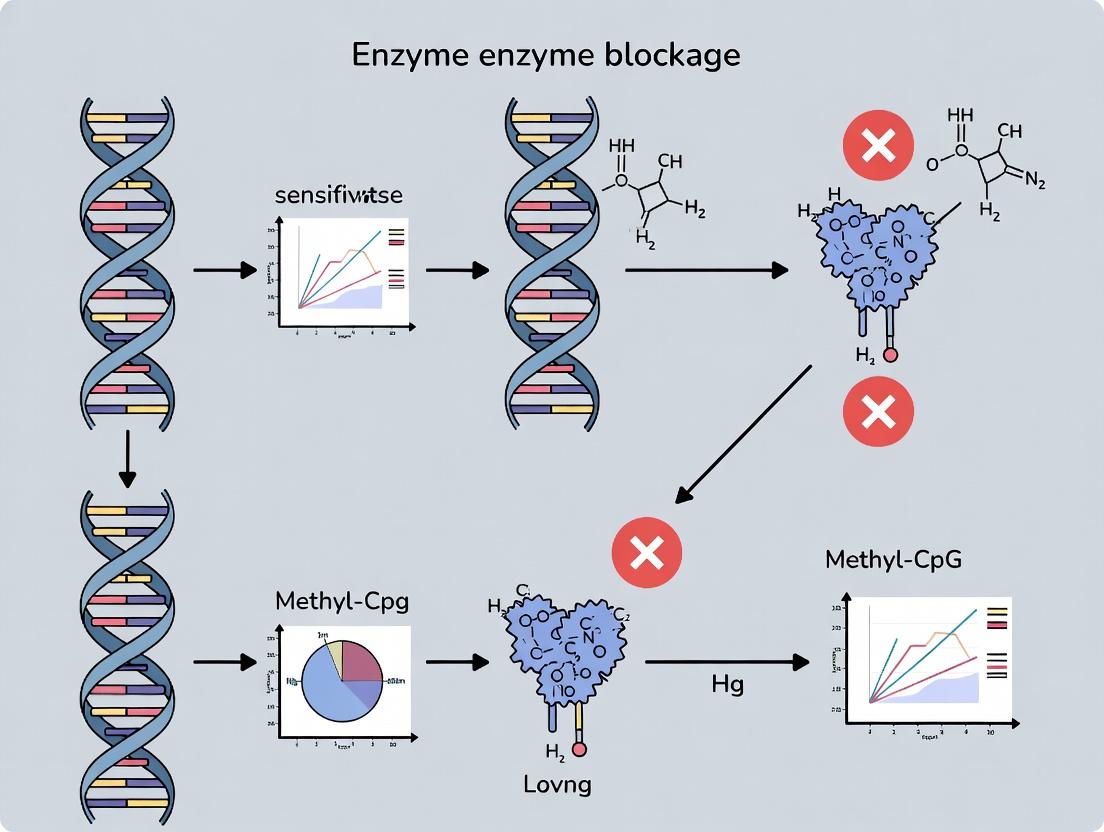
This article provides a detailed, current overview of DNA methylation enzyme inhibition, a cornerstone of epigenetic therapy and research.
Targeting DNMTs and TETs: A Comprehensive Guide to DNA Methylation Enzyme Blockage for Therapeutics and Research
Abstract
This article provides a detailed, current overview of DNA methylation enzyme inhibition, a cornerstone of epigenetic therapy and research. Targeting researchers and drug developers, it explores the foundational biology of DNA methyltransferases (DNMTs) and Ten-Eleven Translocation (TET) enzymes. It details cutting-edge methodologies for blocking these enzymes using small molecules, oligonucleotides, and degrader technologies, alongside protocols for assessing efficacy. The guide offers robust troubleshooting strategies for common experimental and therapeutic challenges, such as off-target effects and cellular resistance. Finally, it presents a critical validation framework, comparing pharmacological inhibitors, genetic tools, and emerging modalities. This synthesis aims to empower the precise manipulation of the methylome for advancing disease models and therapeutic candidates.
Decoding the Epigenetic Switches: The Biology of DNMT and TET Enzymes in Health and Disease
DNA methylation is a fundamental epigenetic mark established and maintained by DNA methyltransferases (DNMTs). This technical support center addresses common experimental challenges in studying DNMT1, DNMT3A, and DNMT3B within the context of DNA methylation sensitivity and enzyme blockage research.
Troubleshooting Guides & FAQs
Q1: In our in vitro methylation assay, we observe inconsistent methylation efficiency even with purified recombinant DNMT3A/3L complex. What could be causing this variability? A: Variability often stems from suboptimal reaction conditions. Ensure the following:
- Cofactor Stability: Prepare fresh S-adenosyl methionine (SAM) aliquots for each experiment. SAM is highly unstable and degrades rapidly. Use a concentration range of 5-20 µM.
- Substrate State: Use hemimethylated DNA substrates for DNMT1 and unmethylated CpG-rich DNA for DNMT3A/3B. Verify substrate concentration (typical range: 50-200 ng/µL) and purity.
- Buffer Composition: Include 50-100 mM NaCl, 1 mM DTT, and 0.1-0.5 mg/mL BSA. Divalent cations are critical: use 2.5-5.0 mM MgCl₂ for DNMT1 and 0.5-2.5 mM MgCl₂ for DNMT3A/B.
- Control: Always run a no-enzyme control and a positive control (e.g., SssI methyltransferase).
Q2: When performing bisulfite sequencing to validate global methylation changes after DNMT3B knockdown, our conversion rates are low (<95%). How can we improve this? A: Low conversion indicates incomplete bisulfite treatment.
- DNA Quality: Use high-quality, non-degraded genomic DNA (A260/A280 ~1.8-2.0).
- Denaturation: Ensure complete denaturation of DNA before bisulfite addition. Use a thermocycler program with a defined 95°C step for 5-10 minutes.
- Reaction Conditions: Use a commercial bisulfite conversion kit with optimized reagents and incubation times (typically 16-20 hours at 55°C). Protect the reaction from light.
- Desalting: Post-reaction clean-up is crucial. Follow desalting/purification steps meticulously to remove all salts and bisulfite, which inhibit downstream PCR.
Q3: Our inhibitor assay using a small molecule targeting DNMT1's catalytic site shows unexpected cytotoxicity in cell culture that doesn't correlate with methylation loss. What should we check? A: This suggests potential off-target effects.
- Dose-Response: Establish a full dose-response curve (e.g., 0.1 µM to 100 µM) and measure both methylation (via LC-MS/MS for global 5mC) and cell viability (MTT/CCK-8 assay) at 72 hours.
- Specificity Control: Include a genetically targeted control, such as DNMT1 knockout or inducible shRNA, to compare phenotypic effects.
- Compound Solubility & Stability: Verify the compound is fully dissolved in DMSO (<0.1% final concentration in culture) and is stable in cell culture medium over the assay duration. Check for precipitation.
Q4: In a Co-IP experiment to probe DNMT1-TRF2 interaction during replication, we get a high background signal. How can we increase specificity? A: High background is common in nuclear protein Co-IP.
- Lysis Stringency: Optimize lysis buffer stringency. Use RIPA buffer (150 mM NaCl, 1% NP-40, 0.5% sodium deoxycholate, 0.1% SDS) and include benzonase or universal nuclease to degrade DNA/RNA that cause non-specific protein aggregation.
- Wash Conditions: Increase the number and stringency of washes. After initial IP, perform 3-4 washes with lysis buffer containing 300-500 mM NaCl.
- Antibody Validation: Pre-clear the lysate with protein A/G beads for 30 minutes. Use validated antibodies for IP and a different, validated antibody for western blot detection to avoid heavy/light chain interference.
Table 1: Catalytic Properties of Core Mammalian DNMTs
| Parameter | DNMT1 (Maintenance) | DNMT3A (De Novo) | DNMT3B (De Novo) |
|---|---|---|---|
| Primary Catalytic Function | Copies methylation from parent to daughter strand during DNA replication. | Establishes new methylation patterns de novo, particularly in early development. | Establishes new methylation patterns; crucial for centromeric repeat methylation. |
| Preferred Substrate | Hemimethylated CpG sites. | Unmethylated CpG sites. | Unmethylated CpG sites. |
| Processivity | High. | Low / distributive. | Low / distributive. |
| Key Cofactor | SAM (Km ~1.5 µM). | SAM (Km ~2.0 µM). | SAM (Km ~2.5 µM). |
| Critical Motif | Catalytic motif (PCQ) in C-terminal domain. | PWWP, ADD, catalytic domains. | PWWP, ADD, catalytic domains. |
| Essential Interactors | UHRF1 (targets to replication fork), PCNA. | DNMT3L (stimulates activity), histones. | DNMT3L, histone tails. |
Table 2: Common Experimental Assays and Key Parameters
| Assay Type | Target DNMT | Key Readout | Common Pitfall | Solution |
|---|---|---|---|---|
| In Vitro Methylation | All | Radioactive (³H-SAM) or fluorescent incorporation. | Non-specific signal, low activity. | Use defined oligonucleotide substrates, include negative control DNA (e.g., poly dI-dC). |
| Cellular Inhibition | All (Drug-target) | Global 5mC reduction (LC-MS/MS, ELISA). | Off-target effects, cell death. | Use multiple, orthogonal inhibitors; correlate dose with 5mC loss and RNA-seq. |
| Protein Interaction (Co-IP/ChIP) | All | Co-precipitation of binding partners. | High background, false positives. | Use crosslinking (e.g., formaldehyde), stringent washes, DNase/RNase treatment. |
| Genetic Knockout/Knockdown | All | Methylation profiling (WGBS, RRBS). | Incomplete knockdown, adaptation. | Use dual gRNAs/siRNAs, include rescue experiments, analyze at multiple time points. |
Experimental Protocols
Protocol 1: In Vitro DNA Methyltransferase Activity Assay (Radioactive) Purpose: To directly measure the catalytic activity of purified DNMTs.
- Reaction Mix: Combine in a 50 µL volume: 50 mM Tris-HCl (pH 7.8), 1 mM EDTA, 1 mM DTT, 5% glycerol, 100 µg/mL BSA, 2.5-5.0 mM MgCl₂, 200 ng of DNA substrate (hemimethylated for DNMT1, unmethylated for DNMT3A/B), 1 µL of ³H-labeled SAM (specific activity ~15 Ci/mmol), and 50-200 ng of purified DNMT enzyme.
- Incubation: Incubate at 37°C for 60 minutes.
- Termination & Capture: Spot the reaction onto DE81 filter paper discs. Wash discs three times for 5 minutes each in 50 mM sodium phosphate buffer (pH 8.0), once in 70% ethanol, and once in absolute ethanol.
- Quantification: Air dry discs and measure incorporated radioactivity by scintillation counting.
Protocol 2: Validating Methylation Changes via Combined Bisulfite Restriction Analysis (COBRA) Purpose: A cost-effective method to assess methylation status at specific loci after DNMT perturbation.
- Bisulfite Conversion: Treat 500 ng-1 µg genomic DNA with a bisulfite conversion kit (e.g., EZ DNA Methylation-Lightning Kit). Elute in 20 µL.
- PCR Amplification: Design primers specific for bisulfite-converted DNA, flanking CpG sites of interest. Perform PCR using a bisulfite-converted DNA-specific polymerase.
- Restriction Digestion: Digest 10 µL of PCR product with a restriction enzyme (e.g., BstUI (CGCG) or TaqI (TCGA)) whose site is created or destroyed by methylation-dependent bisulfite conversion.
- Analysis: Separate digested fragments on a 2-3% agarose gel. Methylated alleles will resist digestion, while unmethylated alleles will be cut.
Visualizations
DNMT1-Mediated Maintenance Methylation Pathway
DNMT3A/3L Complex in De Novo Methylation
The Scientist's Toolkit: Research Reagent Solutions
| Item | Function & Application in DNMT Research |
|---|---|
| Recombinant Human DNMTs (Active) | Purified, full-length or catalytic domain proteins for in vitro activity assays, inhibitor screening, and biochemical characterization. |
| S-Adenosyl Methionine (SAM) | The universal methyl donor cofactor. Use stabilized formulations for reliable in vitro methylation reactions. |
| 5-Azacytidine / 5-Aza-2'-deoxycytidine (Decitabine) | Nucleoside analog inhibitors incorporated into DNA, forming covalent complexes with DNMTs. Used as reference compounds in cellular inhibition studies. |
| RG108 | A non-nucleoside, small-molecule inhibitor that blocks the active site of DNMTs. Useful for studying catalytic inhibition without DNA incorporation. |
| Hemimethylated & Unmethylated CpG Oligonucleotides | Defined sequence substrates for discriminating between maintenance (DNMT1) and de novo (DNMT3A/B) methyltransferase activity in vitro. |
| Anti-5-Methylcytosine Antibody | For immuno-based detection of global DNA methylation (Dot Blot, ELISA) or enrichment of methylated DNA (MeDIP). |
| Bisulfite Conversion Kit | Essential for sequencing-based methylation analysis (e.g., Bisulfite Seq, pyrosequencing). Converts unmethylated C to U, leaving 5mC unchanged. |
| UHRF1 Antibody | For co-immunoprecipitation studies to investigate the recruitment mechanism of DNMT1 to replication foci. |
| DNMT3L Expression Vector | Co-expression with DNMT3A or DNMT3B is often required to achieve robust de novo methyltransferase activity in heterologous systems. |
Technical Support Center: Troubleshooting TET Enzyme & Oxidized Methylcytosine Assays
Framing Context: This support center is designed to assist researchers investigating DNA methylation dynamics, particularly within the scope of DNA methylation sensitivity enzyme blockage research. This area focuses on understanding how blocking specific enzymes (like TETs or DNMTs) alters the epigenetic landscape, a critical consideration for epigenetic drug development.
Frequently Asked Questions (FAQs) & Troubleshooting
Q1: My dot-blot or ELISA for 5hmC shows consistently low signal across samples, including positive controls. What could be wrong? A: This often indicates an issue with the detection antibody or the sample preparation.
- Primary Troubleshooting Steps:
- Validate Antibody Specificity: Run a spike-in control with defined amounts of 5hmC, 5mC, and unmodified cytosine in your assay. Many commercial 5hmC antibodies have cross-reactivity with 5mC.
- Check DNA Denaturation: Ensure genomic DNA is fully denatured (e.g., by heat or alkali treatment) before application. 5hmC antibodies often recognize single-stranded DNA better.
- Optimize DNA Binding: For dot-blots, ensure your membrane (nitrocellulose or PVDF) is properly activated and the DNA is fixed adequately via UV crosslinking or baking.
- Reagent Solution: Consider switching to a chemically labeled 5hmC (e.g., using glycosyltransferase-mediated labeling with an azide-glucose) followed by click chemistry for detection, which offers higher specificity.
Q2: During oxidative bisulfite sequencing (oxBS-Seq), I observe poor bisulfite conversion efficiency. How can I improve it? A: Poor conversion skews 5mC quantification. The oxidative step adds complexity.
- Protocol Adjustment:
- Oxidation Efficiency: First, verify the KRuO₄ oxidation step worked by checking that 5hmC standards are converted to 5fC. Use a separate mass spectrometry standard if possible.
- Bisulfite Kit Selection: Use a bisulfite kit specifically validated for high-molecular-weight DNA and follow the protocol strictly. Incubation times and temperature are critical.
- DNA Purity: Ensure your DNA is free of contaminants (salts, organics, RNA) that inhibit bisulfite conversion. Perform extra purification steps post-oxidation if needed.
- Desulfonation: This step must be complete. Ensure the desulphonation buffer is fresh and the incubation time is sufficient.
Q3: I am using a TET enzyme activity assay (commercial kit) and getting high background in the negative control (no enzyme). A: High background suggests non-specific signal or contaminating activity.
- Troubleshooting Guide:
- Substrate Contamination: The biotinylated or fluorescent-labeled DNA substrate may be contaminated. Aliquot the substrate to avoid freeze-thaw cycles.
- Buffer Contaminants: The reaction buffer or co-factors (α-KG, Ascorbate, Fe²⁺) may be old or degraded. Prepare fresh ascorbate and iron solutions for each experiment.
- Detection Step: Over-incubation during the detection step (e.g., with streptavidin-HRP) can increase background. Titrate the detection reagent and reduce incubation time.
- Plate Washing: Increase the number and volume of washes after substrate binding.
Q4: In my ChIP-qPCR for TET1, I get low chromatin enrichment even with a validated antibody. A: TET proteins can be loosely associated with chromatin or present at low abundance.
- Experimental Optimization:
- Crosslinking Optimization: For some TET-family interactions, a double crosslinking approach (with DSG followed by formaldehyde) may better preserve protein-DNA complexes.
- Sonication Check: Ensure chromatin is sheared to the optimal size (200-500 bp). Over-sonication can destroy epitopes; under-sonication reduces resolution and access.
- Lysis Stringency: Use a more stringent lysis buffer (e.g., with 0.5% SDS) to remove non-chromatin bound proteins, but balance this with the risk of losing weakly associated TETs.
- Positive Control Locus: Include a validated positive genomic locus (e.g., promoters of known TET1-target genes like Tcf3 in ES cells) in your qPCR assay.
Table 1: Comparative Properties of Human TET Enzymes
| Property | TET1 | TET2 | TET3 | Measurement Method |
|---|---|---|---|---|
| Primary Isoform Size | ~213 kDa | ~200 kDa | ~193 kDa | Immunoblot |
| Key Structural Domains | CXXC, Catalytic | Catalytic | Catalytic | Structural Biology |
| Preferred Cofactor | α-KG, Fe²⁺, O₂, Ascorbate | α-KG, Fe²⁺, O₂, Ascorbate | α-KG, Fe²⁺, O₂, Ascorbate | In vitro Activity Assay |
| Reported in vitro Turnover (5mC→5hmC) | ~5-10 hr⁻¹ | ~3-8 hr⁻¹ | ~8-15 hr⁻¹ | HPLC/MS of product formation |
| Subcellular Localization | Primarily Nuclear | Nuclear | Nuclear & Cytoplasmic (in neurons) | Immunofluorescence |
| Knockout Mouse Phenotype | Embryonic/Perinatal Lethality, Imprinted Gene Dysregulation | Hematopoietic Defects, Myeloid Dysplasia | Neonatal Lethality, Respiratory Failure | Genetic Models |
Table 2: Key Dynamics of Oxidized Methylcytosines in Mammalian Cells
| Modified Base | Approx. Abundance (Genomic) | Estimated Half-life | Primary Detection Methods | Putative "Reader" Proteins |
|---|---|---|---|---|
| 5-Methylcytosine (5mC) | 1-4% of total dC | Stable (heritable) | BS-Seq, MeDIP | MBD proteins, UHRF1 |
| 5-Hydroxymethylcytosine (5hmC) | 0.01-0.7% of total dC | Hours to Days | oxBS-Seq, hMeDIP, GLIB-seq | UHRF2, MBD3 |
| 5-Formylcytosine (5fC) | 1-50 per 10⁶ dC | Minutes to Hours | fC-Seal, RedBS-Seq | TDG, ALKBH1 |
| 5-Carboxylcytosine (5caC) | 0.1-5 per 10⁶ dC | Minutes | caC-Seal | TDG |
Detailed Experimental Protocols
Protocol 1: TET Enzyme Activity Assay Using HPLC-MS/MS Objective: Quantify the in vitro conversion of 5mC to 5hmC/5fC/5caC by recombinant TET enzyme.
- Reaction Setup: In a 50 µL reaction, combine: 50 mM HEPES (pH 7.5), 100 µM (NH₄)₂Fe(SO₄)₂, 1 mM α-Ketoglutarate, 2 mM Ascorbate, 1 µg of substrate DNA (e.g., symmetrically methylated oligonucleotide or PCR-amplified DNA), and 100-500 ng of recombinant TET protein.
- Incubation: Incubate at 37°C for 1-4 hours.
- Reaction Termination: Add 5 µL of 0.5 M EDTA and heat at 95°C for 5 min.
- DNA Digestion: Digest DNA to nucleosides using DNA Degradase Plus enzyme (or combination of Nuclease P1, Phosphodiesterase I, and Alkaline Phosphatase) per manufacturer's instructions.
- LC-MS/MS Analysis: Inject digested sample onto a C18 column. Use a triple quadrupole mass spectrometer in positive MRM mode. Quantify using standard curves for dC, 5mdC, 5hmdC, 5fdC, and 5cadC.
Protocol 2: Glucosylated 5hmC Detection (GLIB-seq Workflow) Objective: Enrich and sequence 5hmC-containing DNA fragments.
- DNA Glucosylation: Incubate 1 µg of fragmented genomic DNA (100-300 bp) with 50 µM UDP-6-N₃-Glucose and 2 units of T4 Phage β-Glucosyltransferase (T4-BGT) in 1X NEBuffer 4 at 37°C for 2 hours.
- Click Chemistry: Add biotin-PEG4-Alkyne via a copper-catalyzed click reaction (CuSO₄, THPTA ligand, Sodium Ascorbate). Incubate at room temperature for 1 hour.
- Clean-up & Pull-down: Purify DNA using a spin column. Incubate with Streptavidin C1 magnetic beads for 30 minutes. Wash beads stringently.
- Elution & Library Prep: Elute bound DNA (5hmC-enriched) using freshly prepared 20 mM DTT. Proceed to standard library preparation for next-generation sequencing.
Signaling Pathways & Workflow Diagrams
TET-Mediated Active DNA Demethylation Pathway
GLIB-seq Workflow for 5hmC Profiling
The Scientist's Toolkit: Key Research Reagent Solutions
Table 3: Essential Reagents for TET & Oxidized 5mC Research
| Reagent / Material | Supplier Examples | Primary Function in Research |
|---|---|---|
| Recombinant Human TET1/2/3 Proteins | Active Motif, Sino Biological | In vitro activity assays, substrate specificity studies, antibody validation. |
| Anti-5hmC Antibody (mAb) | Active Motif, Diagenode | Detection and enrichment of 5hmC via dot-blot, ELISA, or hMeDIP. |
| T4 Phage β-Glucosyltransferase (T4-BGT) | NEB | Chemically labels 5hmC with glucose for selective detection or pull-down (e.g., GLIB-seq). |
| UDP-6-N₃-Glucose | Berry & Associates, Jena Bioscience | Activated glucose donor for T4-BGT in click-chemistry-based 5hmC tagging. |
| KRuO₄ (Potassium Peroxoruthenate) | Sigma-Aldrich | Chemical oxidant used in oxBS-Seq to convert 5hmC to 5fC for discrimination from 5mC. |
| TDG (Thymine DNA Glycosylase) | NEB, Trevigen | Key enzyme in BER pathway for excising 5fC/5caC; used in assays to probe these bases. |
| DNA Degradase Plus | Zymo Research | Rapid, single-enzyme digestion of DNA to deoxyribonucleosides for LC-MS/MS analysis. |
| Magnetic Streptavidin C1 Beads | Thermo Fisher, Invitrogen | High-capacity beads for efficient pull-down of biotinylated DNA in enrichment protocols. |
| α-Ketoglutarate (Cell-Permeable Esters) | Sigma-Aldrich, Cayman Chemical | Cofactor for TET enzymes; cell-permeable forms used to modulate TET activity in vivo. |
| Bisulfite Conversion Kits (oxBS-Compatible) | Swift Biosciences, Qiagen | High-efficiency conversion for preserving 5fC (from oxBS) or converting C to U (standard BS). |
Technical Support Center: Troubleshooting DNA Methylation Sensitivity Enzyme Blockage Assays
Frequently Asked Questions (FAQs)
Q1: My Methylation-Sensitive Restriction Enzyme (MSRE) qPCR assay shows no signal in both methylated and unmethylated control samples. What could be wrong? A: This typically indicates complete digestion failure. First, verify enzyme activity by running a digestion check on unmethylated lambda DNA. Ensure your reaction buffer is compatible (avoid contaminants like high EDTA). Confirm that genomic DNA is of high quality (A260/A280 ~1.8-2.0) and not degraded. Increase enzyme incubation time to 12-16 hours. Finally, include a "no-enzyme" control to confirm your qPCR itself is functional.
Q2: During Pyrosequencing for methylation quantification, I get inconsistent replicates or "Failed" reads. A: This is often due to PCR product quality. Ensure your bisulfite-converted DNA is pure (use dedicated cleanup kits). Re-optimize your PCR annealing temperature using a gradient to prevent primer-dimer formation. Quantify your single-stranded PCR product before pyrosequencing; low template (<10 ng/µL) causes failures. Check that your sequencing primer does not contain CpG sites that could be variably methylated.
Q3: In my DNMT (DNA methyltransferase) inhibitor treatment experiment, my cell viability assay shows high toxicity, confounding methylation readouts. A: DNMT inhibitors like 5-Azacytidine are cytotoxic. Redesign your experiment with a shorter treatment duration (e.g., 48-72 hours instead of 96+). Perform a full dose-response curve to find a sub-cytotoxic concentration that still induces demethylation (often in the low µM range). Always include a parallel cell culture for viability assessment (trypan blue, MTT) harvested at the same time point as your samples for methylation analysis.
Q4: My Whole-Genome Bisulfite Sequencing (WGBS) data shows consistently low bisulfite conversion rates (<95%). A: Low conversion rates invalidate data. This is usually a protocol issue. Ensure fresh bisulfite reagent (sodium bisulfite pH 5.0) and a completely oxygen-free environment (use DNA protection buffer and mineral oil overlay). Perform the reaction in a thermocycler with a tight lid, not a water bath. Use a higher incubation temperature (e.g., 65°C) and extend time to 16-18 hours. Always spike in unmethylated lambda DNA as an internal conversion control.
Q5: When using a methylated DNA immunoprecipitation (MeDIP) protocol, I get high background noise in sequencing. A: High background suggests non-specific antibody binding. Increase the stringency of your washes. Use a monoclonal anti-5mC antibody if possible. Fragment your DNA to an optimal 100-300 bp size via sonication (avoid enzymatic shearing). Pre-clear your sample with protein A/G beads before immunoprecipitation. Validate your IP efficiency with a qPCR for a known hypermethylated region versus an unmethylated region.
Experimental Protocols
Protocol 1: Methylation-Sensitive High-Resolution Melting (MS-HRM) Analysis for Candidate Loci Purpose: To quantitatively assess methylation levels at specific CpG islands. Steps:
- Bisulfite Conversion: Use 500 ng genomic DNA with the EZ DNA Methylation-Lightning Kit (Zymo Research). Program: 98°C for 8 min, 54°C for 60 min, hold at 4°C.
- PCR Amplification: Design primers flanking the CpG site of interest but without CpGs in their sequence. Use a master mix containing a saturating DNA-intercalating dye (e.g., EvaGreen).
- Reaction: 20 µL total: 10 µL 2x HRM master mix, 0.5 µM each primer, 10 ng bisulfite-converted DNA.
- Cycling: 95°C for 10 min; 45 cycles of [95°C for 15 sec, {Primer Tm -5°C} for 30 sec, 72°C for 20 sec].
- High-Resolution Melting: Run on a dedicated HRM instrument (e.g., LightCycler 480). Program: 95°C for 1 min, 40°C for 1 min, then continuous acquisition from 65°C to 95°C at 0.02°C/sec.
- Analysis: Use standard curves from mixtures of 0%, 50%, and 100% methylated control DNA. Software will generate normalized and temperature-shifted melting curves for sample quantification.
Protocol 2: In Vitro DNMT Enzyme Activity Inhibition Assay Purpose: To directly test the efficacy of novel small-molecule inhibitors on recombinant DNMT1 enzyme. Steps:
- Prepare Reaction: In a 50 µL reaction: 50 mM Tris-HCl (pH 7.8), 1 mM EDTA, 5% glycerol, 80 µM S-adenosylmethionine (SAM), 1 µg hemimethylated double-stranded DNA substrate, 10 units recombinant human DNMT1, and the test inhibitor at varying concentrations (e.g., 0.1 nM to 100 µM).
- Incubate: Run reactions at 37°C for 2 hours. Include positive control (no inhibitor) and negative control (no enzyme).
- Stop Reaction: Add 5 µL of 0.5 M EDTA and heat at 95°C for 5 min.
- Quantify Methylation: Transfer DNA to a 96-well plate pre-coated with anti-5mC antibody. Use a commercial MethylFlash Methylated DNA Quantification Kit (Colorimetric). Measure absorbance at 450 nm.
- Calculate IC50: Plot inhibitor concentration vs. percentage of enzyme activity relative to positive control. Fit data to a dose-response curve using software like GraphPad Prism.
Data Presentation
Table 1: Common DNA Methylation Analysis Techniques Comparison
| Technique | Sensitivity | Throughput | Resolution | Approximate Cost per Sample | Best For |
|---|---|---|---|---|---|
| WGBS | Single molecule | Low | Single-base | $400-$800 | Discovery, genome-wide profiling |
| EPIC Array | High | High | ~850,000 CpG sites | $150-$300 | Large cohort studies, disease signatures |
| Pyrosequencing | 5% methylation | Medium | Single CpG resolution | $30-$60 (post-PCR) | Validation, quantitative analysis of specific loci |
| MS-HRM | 5-10% methylation | Medium | Amplicon-level | $10-$20 | Screening, relative quantification |
| MeDIP-seq | Moderate | Medium | 100-300 bp regions | $200-$400 | Enrichment-based genome-wide analysis |
Table 2: Efficacy & Toxicity of Select DNMT Inhibitors in Preclinical Models
| Compound | Primary Target | Reported IC50 (in vitro) | Common In Vivo Dose (mouse) | Key Off-Target Effects / Toxicity |
|---|---|---|---|---|
| 5-Azacytidine (Vidaza) | DNMT1, DNMT3B | 1-5 µM | 0.5-2.5 mg/kg (IP, daily) | Myelosuppression, Hepatotoxicity |
| Decitabine (Dacogen) | DNMT1 | 0.1-1 µM | 0.1-0.5 mg/kg (IV, 5-day cycle) | Neutropenia, Thrombocytopenia |
| RG108 | DNMT1, DNMT3A/B | 10-20 µM | 10 mg/kg (IP, every other day) | Low cytotoxicity, limited in vivo data |
| SGI-110 (Guadecitabine) | DNMT1 (Prodrug of Decitabine) | N/A (Prodrug) | 3 mg/kg (SC, 5-day cycle) | Reduced peak plasma conc., similar hematologic toxicity |
The Scientist's Toolkit: Key Research Reagent Solutions
| Item / Reagent | Function & Rationale |
|---|---|
| EZ DNA Methylation-Lightning Kit (Zymo Research) | Rapid bisulfite conversion (<90 min). Critical for preserving DNA while converting unmethylated cytosines to uracil. |
| Methylated & Unmethylated Human Control DNA (Zymo or MilliporeSigma) | Essential positive/negative controls for all assays to calibrate instruments and validate protocol success. |
| M.SssI CpG Methyltransferase (NEB) | Used to generate fully methylated control DNA in vitro. Requires SAM cofactor. |
| Methylation-Sensitive Restriction Enzymes (e.g., HpaII, AciI) | Enzymes that cut only unmethylated recognition sites. Core component of MSRE, COBRA, and related assays. |
| Anti-5-Methylcytosine Monoclonal Antibody (clone 33D3) | High-specificity antibody for immunoprecipitation-based methods (MeDIP, mDIP). |
| S-Adenosylmethionine (SAM) | The universal methyl donor for all DNMT reactions. Must be fresh and high-purity for in vitro assays. |
| S-Adenosylhomocysteine (SAH) | Product of DNMT reaction and a weak feedback inhibitor. Used as a reference standard in inhibition studies. |
| Cell-Free DNA Methyltransferase Activity Kit (Colorimetric, Abcam) | Enables rapid screening of inhibitor compounds or tissue extract activity without radioactivity. |
Visualizations
Diagram Title: Linking Dysregulated Methylation to Disease & Therapeutic Intervention
Diagram Title: Core Workflow for DNA Methylation Analysis
Technical Support Center: Troubleshooting DNMT Inhibition Research
FAQs & Troubleshooting Guides
Q1: My cell viability assay shows high cytotoxicity at low nanomolar concentrations of azacitidine, contradicting literature IC50 values. What could be the cause? A: This is often due to improper handling and storage of nucleoside analogs. Azacitidine and decitabine are highly unstable in aqueous solutions. Always:
- Prepare fresh stock solutions in DMSO or PBS immediately before use.
- Aliquot and store lyophilized powder at -20°C or -80°C in a desiccator.
- Avoid freeze-thaw cycles of reconstituted stocks.
- Ensure your cell culture medium is at physiological pH (~7.4), as degradation accelerates under acidic conditions.
Q2: I am not detecting significant global DNA hypomethylation via LC-MS/MS after 72-hour treatment with decitabine, despite using a published protocol. A: Consider these troubleshooting steps:
- Cell Line Validation: Confirm your cell model expresses the necessary nucleoside transporters (e.g., hENT1) for drug uptake. Perform a qPCR check for SLC29A1.
- Proliferation Rate: DNMT inhibitors are S-phase dependent. Ensure cells are in a logarithmic growth phase during treatment. A confluent, slow-cycling culture will show minimal effect.
- Protocol Adjustment: For robust hypomethylation, consider a longer, low-dose exposure (e.g., 0.1-0.5 µM for 96-120 hours with media/drug replacement every 48h) rather than a short, high-dose pulse.
- Control Check: Use a known positive control (e.g., 5-aza-2'-deoxycytidine at 1µM for 96h in a sensitive line like HL-60) to validate your methylation detection assay.
Q3: In my sequencing experiment (e.g., RRBS, WGBS), how do I distinguish direct demethylation effects of DNMT inhibitors from passive demethylation due to cell death or inhibited proliferation? A: This is a critical experimental design issue. Implement these controls:
- Incorporate a Non-Cytotoxic, Proliferation-Inhibiting Control: Use a low-dose cytostatic agent (e.g., thymidine block) to mimic reduced cell division without DNMT1 degradation.
- Time-Course Analysis: Sample at early time points (24-48h). Direct incorporation and DNMT1 depletion occurs before significant passive loss through dilution.
- Measure DNMT1 Protein Levels: Use western blot as a correlative readout for the drug's direct mechanism. Loss of DNMT1 should precede bulk hypomethylation.
- Analyze Non-Replicating Regions: Focus methylation analysis on genomic regions replicated late in S-phase or in non-dividing cells for clearer signals.
Q4: What are the key experimental parameters to optimize when testing combination therapies with DNMT inhibitors to overcome clinical resistance? A: Resistance mechanisms are multifactorial. Design your experiment to probe these pathways by titrating:
- Temporal Sequencing: Administer the DNMT inhibitor before, concurrently with, or after the second agent (e.g., HDAC inhibitor, chemotherapeutic). Pre-treatment is often most effective for priming.
- Dose Ratio: Use a matrix design (e.g., 3x3) to find synergistic ratios. Calculate Combination Index (CI) using Chou-Talalay method.
- Functional Readouts: Beyond viability, measure apoptosis, senescence, and immune checkpoint gene expression (e.g., PD-L1, MHC-I) to capture epigenetic priming.
Table 1: Pharmacokinetic & Stability Challenges
| Parameter | Azacitidine (Vidaza) | Decitabine (Dacogen) | Clinical Research Implication |
|---|---|---|---|
| Oral Bioavailability | ~11% (low) | ~19% (low) | Requires parenteral administration; limits outpatient use. |
| Plasma Half-life (IV) | ~1.5 hours | ~0.5 hours | Very rapid clearance necessitates frequent dosing. |
| Chemical Stability in Aqueous Solution | Highly unstable (t½ ~ 26h at 25°C, pH 7) | Highly unstable (t½ ~ 22h at 25°C, pH 7) | Demands fresh preparation, complicates infusion protocols. |
| Cellular Uptake Mechanism | Human Equilibrative Nucleoside Transporter 1 (hENT1) | Human Equilibrative Nucleoside Transporter 1 (hENT1) | Low hENT1 expression is a documented resistance mechanism. |
Table 2: Efficacy Limitations in Myelodysplastic Syndromes (MDS)
| Limitation | Typical Data Range | Consequence |
|---|---|---|
| Overall Response Rate (ORR) | 40-50% | A significant subset of patients are primary non-responders. |
| Complete Response (CR) Rate | 10-20% | Deep, durable remissions are uncommon. |
| Duration of Response | Median 9-15 months | Epigenetic reprogramming is often transient; relapse is common. |
| Cytopenias (Grade 3/4) | Neutropenia: ~70-90%; Thrombocytopenia: ~70-85% | Dose-limiting toxicity; requires supportive care and treatment delays. |
Experimental Protocol: Assessing DNMT1 Degradation & Global DNA Methylation
Title: Integrated Protocol for DNMTi Mechanism Validation
Methodology:
- Cell Seeding & Treatment:
- Seed cells (e.g., HL-60, MOLM-13) at 2.5 x 10⁵ cells/mL in 6-well plates.
- After 24h, treat with decitabine (0.1 µM, 0.5 µM, 1 µM) or DMSO vehicle control.
- Refresh medium containing drugs every 48 hours.
- Harvest cells at 72h and 120h for parallel analysis.
DNMT1 Protein Level Analysis (Western Blot):
- Lyse cells in RIPA buffer with protease inhibitors.
- Resolve 30 µg protein on 8% SDS-PAGE gel, transfer to PVDF membrane.
- Block with 5% BSA, incubate with primary antibodies: anti-DNMT1 (rabbit monoclonal, 1:1000) and anti-β-Actin (mouse monoclonal, 1:5000) overnight at 4°C.
- Use HRP-conjugated secondary antibodies (1:5000) and chemiluminescent detection. Quantify band intensity relative to Actin.
Global DNA Methylation Quantification (LC-MS/MS):
- Isolate genomic DNA using a column-based kit.
- Digest 500 ng DNA to nucleosides with nuclease P1, phosphodiesterase I, and alkaline phosphatase.
- Separate hydrolysates on a reversed-phase C18 column (2.1 x 150 mm, 3.5 µm).
- Use tandem mass spectrometry (MRM mode) to quantify 5-methyl-2'-deoxycytidine (5mdC) and unmodified 2'-deoxycytidine (dC).
- Calculate global methylation percentage as: [5mdC] / ([5mdC] + [dC]) * 100%.
Visualizations
Diagram 1: DNMTi Mechanism of Action & Resistance Pathways
Diagram 2: Workflow for Combination Synergy Screening
The Scientist's Toolkit: Key Research Reagent Solutions
Table 3: Essential Materials for DNMT Inhibition Studies
| Item | Function & Rationale | Example/Note |
|---|---|---|
| Azacitidine (LY240) | Cytidine analog; incorporates into RNA (major) and DNA. Triggers DNMT1 degradation. | Highly labile. Use fresh stock in DMSO. CAS: 320-67-2 |
| Decitabine (5-aza-dC) | Deoxycytidine analog; incorporates specifically into DNA. Potent trigger of DNMT1 degradation. | Gold standard for DNA demethylation studies. CAS: 2353-33-5 |
| SGI-1027 | A quinoline-based direct, non-nucleoside DNMT inhibitor. Useful as a mechanistic control. | Does not require incorporation; inhibits DNMTs directly. |
| Zebularine | Stable, orally bioavailable cytidine analog inhibitor. Useful for long-term, low-dose studies. | Requires high concentrations (µM to mM range). |
| Anti-DNMT1 Antibody | To monitor DNMT1 protein depletion, the primary pharmacodynamic marker. | Validate for use in Western Blot (e.g., Clone 60B1220.1). |
| hENT1/SLC29A1 Antibody | To check transporter expression levels in cell models, predicting uptake efficiency. | Also check via qPCR for mRNA expression. |
| Deoxycytidine Kinase (DCK) Antibody | To check expression of the key activating enzyme for nucleoside analogs. | Low DCK is a major resistance mechanism. |
| Cytidine Deaminase (CDA) Inhibitor (e.g., Tetrahydrouridine) | Used to potentiate DNMTi activity in high-CDA systems (e.g., some in vivo models). | Blocks extracellular drug catabolism. |
| M.SssI Methyltransferase | Positive control enzyme for in vitro methylation assays and inhibitor screening. | Used in non-radioactive activity kits. |
| 5-Methyl-2'-Deoxycytidine Standard | Critical quantitative standard for LC-MS/MS or HPLC-based global methylation analysis. | Use for calibration curve generation. |
Technical Support Center: Troubleshooting & FAQs
Frequently Asked Questions
Q1: In our co-immunoprecipitation assay, we fail to detect the interaction between DNMT3L and DNMT3A. What are the primary troubleshooting steps? A1: This is a common issue. Follow this systematic approach:
- Verify Constructs & Expression: Confirm the integrity of your DNMT3L and DNMT3A expression constructs (full-length vs. catalytic domain). Check transient transfection efficiency via Western blot with tags (e.g., HA, FLAG). DNMT3L lacks catalytic activity, so ensure co-expression is occurring.
- Lysis Buffer Optimization: Use a stringent, non-denaturing lysis buffer (e.g., RIPA) supplemented with fresh protease inhibitors and 300-500 mM NaCl to disrupt weak interactions and reduce non-specific binding. Benzonase can be added to digest DNA that may mediate indirect interactions.
- Antibody Validation: Ensure your antibodies are validated for Co-IP. Pre-clear your lysate with protein A/G beads. Use a control IgG to establish background. Consider tag-based pull-down (e.g., anti-FLAG M2 agarose) as an alternative.
- Interaction Stability: The DNMT3L-DNMT3A interaction is strong but may require crosslinking (e.g., with DSP) if transient. Perform the IP at 4°C.
Q2: Our in-vitro 5hmC/5fC/5caC quantification using LC-MS/MS after TET isoform (TET1/2/3) overexpression shows inconsistent results. What could be causing the variability? A2: Variability in oxidative product quantification often stems from sample preparation and enzyme activity stability.
- Substrate Purity & Amount: Use high-quality, fully methylated genomic DNA or defined oligonucleotides as substrate. Precisely quantify input DNA mass.
- Reaction Conditions: Ensure optimal conditions for each TET isoform (pH, temperature, α-KG, Fe²⁺, Ascorbate). Include negative controls (catalytically dead mutant, no enzyme) and positive controls (commercial TET protein).
- DNA Hydrolysis: The hydrolysis of DNA to nucleosides for LC-MS/MS must be complete and consistent. Validate using spike-in standards (e.g., d5hmC).
- Enzyme Source: Variability between recombinant protein batches (commercial vs. in-house) is significant. Normalize reactions by enzyme activity units, not just protein concentration.
Q3: When performing CRISPRi knockdown of DNMT3L in cell lines, we observe no change in global methylation patterns. How should we interpret this? A3: DNMT3L primarily functions as a regulator and facilitator for de novo methyltransferases DNMT3A/3B in specific contexts (e.g., germ cells, embryonic stem cells).
- Cell Type Context: Verify your cell model expresses endogenous DNMT3L and its partners. DNMT3L's role may be minimal in many somatic cell lines. Check expression via qPCR/Western.
- Target Region Analysis: DNMT3L influences methylation at specific genomic loci (e.g., imprinting control regions, retrotransposons). Perform targeted bisulfite sequencing (BS-seq) or methylation-specific PCR at these loci, not just global 5mC ELISA.
- Functional Redundancy/Compensation: Consider co-knockdown of DNMT3A/3B. Use a positive control gRNA targeting the catalytic DNMTs.
- Knockdown Validation: Confirm knockdown at the protein level. A transcriptional repressor may be insufficient; consider CRISPR-KO.
Experimental Protocols
Protocol 1: In Vitro Methylation Assay with DNMT3A/3L Complex Purpose: To assess de novo DNA methylation activity facilitated by the DNMT3A-DNMT3L heteromeric complex. Materials: Recombinant human DNMT3A and DNMT3L proteins, S-adenosylmethionine (SAM, ³H-labeled for radiometric assay or unlabeled for MS), substrate DNA (e.g., 300-bp unmethylated CpG-rich fragment), reaction buffer (20 mM Tris-HCl pH 7.8, 1 mM EDTA, 50 mM NaCl, 0.1 mg/mL BSA, 1 mM DTT). Procedure:
- Complex Formation: Pre-incubate DNMT3A and DNMT3L at a 1:1 molar ratio (typically 1 µM each) in reaction buffer on ice for 30 min.
- Reaction Setup: In a 50 µL reaction, combine: 200 ng substrate DNA, 2 µL of pre-formed protein complex (final ~40 nM each), 160 µM SAM. For controls, set up reactions with DNMT3A alone, DNMT3L alone, and no enzyme.
- Incubation: Incubate at 37°C for 2-4 hours.
- Termination & Analysis: Stop with 20 µL of stop solution (1% SDS, 20 mM EDTA). For radiometric assay, spot on DE81 filter, wash, and count. For MS, purify DNA and perform bisulfite conversion or mass spectrometry.
Protocol 2: Mapping 5hmC/5fC/5caC Using TET-Isoform Specific Enzymatic Tagging (CUT&Tag Variation) Purpose: To profile genome-wide distribution of specific oxidative derivatives catalyzed by individual TET isoforms. Materials: Permeabilized cells, anti-5hmC/5fC/5caC antibody, pA-Tn5 adapter complex, recombinant TET1/2/3 catalytic domain, specific reaction buffers, DNA purification kit, primers for library amplification. Procedure:
- In Situ Oxidation: Permeabilize cells. For 5hmC mapping, incubate with N. meningitidis T4-BGT to add a glucose moiety. For 5fC/5caC mapping, skip.
- Antibody Binding: Incubate with primary antibody (e.g., anti-5hmC) in DIG-300 buffer overnight at 4°C.
- pA-Tn5 Binding: Add pA-Tn5 adapter complex and incubate for 1 hr at room temperature.
- Tagmentation Activation: Add MgCl₂ to activate Tn5 for 1 hr at 37°C.
- DNA Extraction & PCR: Extract DNA, amplify with indexed primers, and sequence.
Data Tables
Table 1: Comparative Biochemical Properties of TET Isoforms
| Property | TET1 | TET2 | TET3 | Notes |
|---|---|---|---|---|
| Catalytic Domain Size | ~200 kDa | ~200 kDa | ~200 kDa | Highly conserved C-terminal domain |
| Preferred Substrate | 5mC > 5hmC | 5mC > 5hmC | 5mC > 5hmC | In vitro, all oxidize 5mC to 5caC |
| Cellular Localization | Nuclear | Nuclear | Nuclear/Cytoplasmic (oocyte) | TET3 is maternal-specific in early embryos |
| Key Binding Partners | SIN3A, OGT | IDAX, WT1 | OGT, PRMT5 | Interactions regulate stability & targeting |
| Km for α-KG (approx.) | 50-100 µM | 50-100 µM | 50-100 µM | Subject to inhibition by oncometabolites |
| Reported IC50 for SDI- (example inhibitor) | 1.2 µM | 0.8 µM | 5.5 µM | Illustrates isoform selectivity potential |
Table 2: Common Experimental Issues and Resolutions for DNMT3L Studies
| Issue | Potential Cause | Recommended Solution |
|---|---|---|
| No DNMT3L protein detected in ES cells | Low endogenous expression | Use sensitive detection (e.g., nano-UCMS), employ overexpression models |
| Unstable recombinant DNMT3L protein | Lack of binding partner | Co-express and purify with DNMT3A fragment |
| Failed methylation stimulation in vitro | Incorrect stoichiometry | Titrate DNMT3L to DNMT3A ratio (optimal often 2:1 DNMT3L:DNMT3A tetramer) |
| Off-target effects in phenotypic assays | DNMT3L knockdown affecting other DNMTs | Validate specificity with rescue experiments, check DNMT3A/3B expression |
Diagrams
DOT Script for DNMT3L-TET Regulatory Network
DOT Script for TET Inhibition Screening Workflow
The Scientist's Toolkit: Research Reagent Solutions
| Reagent/Material | Function & Application | Key Considerations |
|---|---|---|
| Recombinant Human DNMT3A/3L Complex | In vitro de novo methylation assays; structural studies. | Pre-formed complex is more active than individually mixed proteins. Check stoichiometry. |
| TET1/2/3 Catalytic Domain Proteins (Active) | In vitro oxidation assays; screening for inhibitors. | Verify activity lot-to-lot; requires fresh Fe²⁺ and α-KG. |
| Anti-5hmC/5fC/5caC Antibodies (Validated for IP/IF) | Enrichment and visualization of oxidized bases. | Specificity is critical. Use knockout cell lysates for validation. |
| S-Adenosyl Methionine (SAM, ³H-labeled) | Radiolabeled methyl donor for sensitive methylation activity measurement. | Handle with radioactivity precautions; short half-life requires fresh aliquots. |
| α-Ketoglutarate (α-KG), Sodium Ascorbate | Essential cofactors for TET dioxygenase activity. | Prepare fresh stock solutions for each experiment to prevent oxidation. |
| Bisulfite Conversion Kit (for 5mC) | Distinguishes 5mC from C for sequencing. | Use a kit that minimizes DNA degradation. Oxidative bisulfite kits are needed for 5hmC. |
| CpG Island Methylated/Unmethylated DNA Controls | Positive/Negative controls for methylation-sensitive assays. | Essential for calibrating enzymatic and sequencing-based methods. |
| Small Molecule Inhibitors (e.g., Bobcat339 for TET, NSC319745 for DNMTs) | Pharmacological blockade for functional validation. | Confirm isoform selectivity and off-target effects in your system. |
Precision Epigenetic Editing: Strategies and Protocols for Blocking Methylation Enzymes In Vitro and In Vivo
Troubleshooting Guides & FAQs
FAQ 1: Low Efficacy of 5-Azacytidine (5-Aza-CR) in Cell Culture Q: I am treating my cell line with 5-Azacytidine, but I am not observing the expected reduction in global methylation via LC-MS/MS. What could be wrong? A: Common issues include:
- Drug Instability: 5-Azacytidine is highly unstable in aqueous solution at neutral or alkaline pH. Always prepare fresh stock solution in DMSO or acidic water (pH 4-5) and use immediately. Avoid repeated freeze-thaw cycles.
- Insufficient Incorporation: The drug requires active cell division for incorporation into DNA. Ensure your cells are in a logarithmic growth phase at the time of treatment. Consider a longer treatment protocol (e.g., 72-96 hours with a medium change and re-dosing at 24-hour intervals).
- Concentration & Cytotoxicity: High concentrations cause excessive cytotoxicity, reducing the viable cell pool for analysis. Perform a dose-response curve (e.g., 0.1 µM to 10 µM) to find the optimal sub-lethal dose for your specific cell line.
FAQ 2: RG108 Showing No Effect in My Assay Q: I am using the non-nucleoside inhibitor RG108, but my target gene's promoter remains methylated in bisulfite sequencing. Is RG108 ineffective? A: RG108 is a direct, reversible DNMT1 inhibitor with weaker activity compared to nucleoside analogs.
- Concentration & Solubility: Typical working concentrations are 10-50 µM. Ensure proper solubility by using DMSO as a solvent (stock concentration ≤ 50 mM).
- Treatment Duration: As a non-incorporating agent, effects are slower. Extend treatment time to 5-7 days, with daily renewal of drug-containing medium.
- Expectation Management: RG108 induces mild, global hypomethylation (~10-20% reduction) rather than complete demethylation of specific loci. It is suitable for studies where DNA incorporation artifacts must be avoided, not for erasing strong epigenetic silencing.
FAQ 3: Off-Target Effects of TET Enzyme Inhibitors Q: My TET inhibitor (e.g., Bobcat339) is altering cell proliferation independent of my target pathway. How do I confirm the effect is on-target? A: TET enzymes require α-ketoglutarate (α-KG) and Fe²⁺ as cofactors.
- Control with Competitive Substrate: Use a cell-permeable form of α-KG (e.g., octyl-α-KG) in a rescue experiment. If the inhibitor's effect is on-target, supplementation with high levels of α-KG should partially or fully reverse the phenotype.
- Check Metal Chelation: Some reported inhibitors act via non-specific chelation of catalytic Fe²⁺. Include a control with a similar concentration of a mild chelator (e.g., 2,2'-Bipyridyl) to identify chelation-dependent effects.
- Employ Genetic Controls: Use siRNA/shRNA knockdown of your target TET isoform alongside pharmacological inhibition. Concordant phenotypes increase confidence in the specificity of the inhibitor.
FAQ 4: High Cell Death with Decitabine (5-Aza-dC) Treatment Q: My experiment using Decitabine results in overwhelming cell death, hindering downstream analysis. How can I mitigate this? A: Decitabine is more potent and cytotoxic than 5-Azacytidine.
- Pulse Treatment: Instead of continuous exposure, try a short pulse (e.g., 4-6 hours), then wash out the drug and culture cells in fresh medium for several days before analysis. This allows for incorporation and subsequent demethylation without sustained DNA damage signaling.
- Lower Dose: Titrate the dose to the nanomolar range (10-100 nM). The therapeutic window is narrow.
- Cell Cycle Synchronization: Since incorporation is S-phase specific, partial synchronization (e.g., serum starvation followed by release) can make the cell population more uniformly susceptible, allowing you to use a lower overall dose.
Key Experimental Protocols
Protocol 1: Optimal 5-Azacytidine/Decitabine Treatment for Demethylation
- Day 0: Seed cells to achieve ~30% confluence.
- Day 1: Prepare fresh drug stock. Dilute to 2X final concentration in pre-warmed complete medium.
- Treatment: Remove old medium. Add an equal volume of 2X drug-containing medium for a 1X final concentration (e.g., 1 µM 5-Aza-CR or 100 nM 5-Aza-dC). Incubate for 24h.
- Day 2 & 3: Repeat step 3 with freshly prepared drug medium.
- Day 4: Replace with standard growth medium without drug.
- Day 6-7: Harvest cells for genomic DNA or RNA analysis. This extended period allows for replication-dependent dilution of methylated strands.
Protocol 2: Assessing Global DNA Methylation Changes (LC-MS/MS)
- DNA Hydrolysis: Isolate genomic DNA. Digest 500 ng with DNA Degradase Plus (or nuclease P1, phosphodiesterase I, and alkaline phosphatase) to deoxyribonucleosides.
- LC-MS/MS Setup: Use a C18 reverse-phase column. Mobile Phase A: 0.1% formic acid in water; B: methanol.
- Mass Spectrometry: Use Multiple Reaction Monitoring (MRM) in positive electrospray ionization mode. Monitor transitions: dC (228.1→112.1), 5-mdC (242.1→126.1), 5-hmdC (258.1→142.1).
- Quantification: Calculate %5-mdC = [5-mdC peak area / (dC peak area + 5-mdC peak area)] * 100. Compare treated vs. vehicle control.
Data Presentation
Table 1: Comparison of Featured Pharmacological Inhibitors
| Inhibitor Class | Example Compound | Primary Target | Typical Working Concentration | Key Mechanism | Major Advantage | Major Drawback |
|---|---|---|---|---|---|---|
| Nucleoside Analogue | 5-Azacytidine (5-Aza-CR) | DNMT1, DNMT3A/B | 0.5 - 5 µM | Incorporates into DNA/RNA, traps DNMTs | Potent, clinically approved | Cytotoxic, unstable, incorporates into RNA |
| Nucleoside Analogue | Decitabine (5-Aza-dC) | DNMT1, DNMT3A/B | 0.01 - 1 µM | Incorporates into DNA, traps DNMTs | More DNA-specific than 5-Aza-CR | Highly cytotoxic, unstable |
| Non-Nucleoside | RG108 | DNMT1 (active site) | 10 - 50 µM | Directly blocks enzyme active site | Non-incorporating, reversible | Weak potency, mild effects |
| TET Inhibitor | Bobcat339 (BC339) | TET1/2 | 10 - 100 µM | Competes with α-KG binding | Selective for TET1/2 over other α-KG dioxygenases | Potential off-target metal chelation |
Table 2: Troubleshooting Summary for Common Issues
| Problem | Possible Cause | Recommended Solution |
|---|---|---|
| Low demethylation by nucleoside analogues | Drug degradation, low cell proliferation | Use fresh drug, treat during log growth, extend treatment |
| High cell death | Excessive dose, prolonged exposure | Titrate to nM range, use pulse treatment (4-24h) |
| No effect with RG108 | Low solubility, short treatment time | Ensure DMSO stock, treat for 5-7 days |
| Inconsistent results between replicates | Variable cell density, unstable drug | Standardize seeding density, use single-use drug aliquots |
| Off-target phenotypes from TET inhibitors | Non-specific metal chelation | Perform α-KG rescue experiment, use genetic validation |
Visualizations
Title: 72-Hour Nucleoside Analog Treatment Protocol
Title: Mechanism of Nucleoside Analog vs Normal DNMT Action
The Scientist's Toolkit: Research Reagent Solutions
| Reagent/Material | Function/Benefit | Example/Catalog Consideration |
|---|---|---|
| 5-Azacytidine (5-Aza-CR) | Nucleoside analogue; incorporates into RNA & DNA, leading to DNMT depletion. | Sigma A2385. Critical: Request latest manufacturing batch for stability. |
| Decitabine (5-Aza-2'-deoxycytidine) | Nucleoside analogue; DNA-specific incorporation, more potent for DNA demethylation. | Cayman Chemical 10008017. Store desiccated at -20°C. |
| RG108 | Non-nucleoside, reversible DNMT1 inhibitor; avoids DNA incorporation artifacts. | Tocris 4255. Prepare 50 mM stock in DMSO, store at -80°C. |
| Bobcat339 (BC339) | Cell-permeable, competitive TET1/2 inhibitor (α-KG antagonist). | MedChemExpress HY-134100. Validate with α-KG rescue controls. |
| S-(5'-Adenosyl)-L-methionine (SAM) | Methyl donor for DNMTs. Used in in vitro methyltransferase assays. | NEB B9003S. Essential for checking direct DNMT inhibition (e.g., by RG108). |
| Octyl-α-Ketoglutarate | Cell-permeable α-KG prodrug. Critical control for TET inhibitor specificity rescue experiments. | Sigma SML2308. |
| DNA Degradase Plus | Enzyme mix for complete DNA digestion to nucleosides for LC-MS/MS methylation analysis. | Zymo Research E2021. Faster and more reproducible than multi-enzyme cocktails. |
| EpiTect Fast DNA Bisulfite Kit | For bisulfite conversion of DNA prior to sequencing or pyrosequencing to assess locus-specific methylation. | Qiagen 59824. Balance of conversion efficiency and DNA yield. |
| MTT or CellTiter-Glo | Cell viability assay to determine cytotoxic dose range for new cell lines prior to epigenetic experiments. | Promega G7571. Luminescent assays are more suitable for 96-well plate dose curves. |
| Acidic Water (pH 4.5) | Solvent for reconstituting nucleoside analogues to improve short-term stability in solution. | Prepare with HCl/NaOH, sterile filter. Use immediately for drug dilution. |
Technical Support Center: Troubleshooting & FAQs
Q1: My siRNA transfection for DNMT1 knockdown results in high off-target effects and inconsistent methylation changes. What could be the cause? A: Inconsistent results often stem from low transfection efficiency, siRNA off-target effects, or compensatory upregulation of other DNMTs (e.g., DNMT3B).
- Troubleshooting Steps:
- Validate Transfection Efficiency: Use a fluorescently labeled control siRNA (e.g., Cy3-siRNA) and measure uptake via flow cytometry. Aim for >80% efficiency.
- Verify Knockdown Specificity: Use qRT-PCR with primers for DNMT1, DNMT3A, and DNMT3B 48-72 hours post-transfection. Off-target knockdown of other DNMTs can confound results.
- Use a Pool of siRNAs: Switch from a single siRNA sequence to a pool of 3-4 distinct siRNAs targeting the same gene to minimize off-target effects.
- Include Relevant Controls: Always include a non-targeting siRNA (scramble) and an untreated control. Perform functional validation (e.g., western blot for DNMT1 protein).
- Recommended Protocol (siRNA Transfection in HeLa Cells):
- Plate cells in antibiotic-free medium to achieve 30-50% confluence at transfection.
- For each well of a 24-well plate, dilute 25 pmol of siRNA pool in 50 µL of Opti-MEM I Reduced Serum Medium.
- In a separate tube, dilute 1.5 µL of Lipofectamine RNAiMAX in 50 µL of Opti-MEM. Incubate for 5 minutes at room temperature.
- Combine the diluted siRNA with the diluted Lipofectamine RNAiMAX (total volume 100 µL). Mix gently and incubate for 20 minutes.
- Add the complex dropwise to cells containing 500 µL of growth medium. Swirl gently.
- Assay knockdown 48-72 hours post-transfection.
Q2: My lentiviral TET2-shRNA construct shows poor knockdown efficiency despite high GFP reporter expression. A: High GFP confirms transduction but not knockdown. The issue likely lies in shRNA design or processing.
- Troubleshooting Steps:
- Check shRNA Design: Ensure the shRNA sequence (19-21 bp stem) is cloned into a validated hairpin backbone (e.g., pLKO.1). Verify the sequence for potential polymorphisms in your cell line.
- Titer Your Virus: Low multiplicity of infection (MOI) can lead to insufficient shRNA copy number per cell. Perform a puromycin kill curve to determine optimal selection concentration (typically 1-10 µg/mL). Use a functional titer assay.
- Allow Adequate Selection and Time: Maintain puromycin selection for at least 5-7 days. Assess knockdown at both mRNA (qRT-PCR) and functional levels (e.g., measurement of 5-hydroxymethylcytosine (5hmC) by ELISA or dot blot) 10-14 days post-transduction.
- Test Multiple shRNAs: Use at least 3-5 distinct shRNA constructs from public repositories (e.g., TRC, Sigma) to find an effective one.
- Key Reagent Solution: Use a non-targeting shRNA control vector (e.g., SHC002) containing a scramble sequence not targeting any human gene.
Q3: My CRISPR-Cas9 knockout of DNMT3A produces a mixed cell population with incomplete editing and unexpected DNA methylation phenotypes. A: This indicates a heterogeneous pool of edited cells, likely due to low editing efficiency, mixed indels, or selection issues.
- Troubleshooting Steps:
- Validate Guide RNA (gRNA) Efficiency: Prior to stable line generation, transfect a GFP-tagged version of your gRNA+Cas9 plasmid and sort GFP+ cells 72 hours later. Isolate genomic DNA and assess editing efficiency via T7 Endonuclease I assay or ICE Analysis (Synthego).
- Clone Selection is Critical: Do not analyze a bulk transfected/population. Dilution cloning is mandatory. After transfection/transduction and puromycin selection (if applicable), seed cells at ≤1 cell/well in a 96-well plate. Expand clones and screen each individually by genomic PCR and Sanger sequencing.
- Check for Compensatory Mechanisms: In your monoclonal knockout lines, assay for potential compensatory changes in the expression of other DNMTs or TETs via qRT-PCR array.
- Confirm Functional Knockout: Perform western blot for DNMT3A and a global methylation assay (e.g., LINE-1 pyrosequencing or LC-MS/MS for 5mC) on your monoclonal lines.
- Recommended Protocol (Generating Monoclonal Knockout Lines):
- Transfect or transduce your target cells with the CRISPR-Cas9/gRNA construct.
- Apply appropriate selection (e.g., puromycin) for 5-7 days.
- Trypsinize and count cells. Serially dilute to a concentration of 5 cells/mL. Plate 100 µL/well (0.5 cells/well) into ten 96-well plates. Alternatively, use FACS to deposit single cells into wells.
- Visually inspect wells after 5-7 days and flag wells containing a single colony.
- Expand positive clones for 2-3 weeks, then transfer to larger plates for screening.
- Screen clones via genomic PCR of the target site and Sanger sequencing. Use sequence trace decomposition tools (e.g., ICE, TIDE) to confirm bi-allelic editing.
Q4: When modulating DNMTs/TETs, what are the best global and locus-specific methods to validate functional outcomes? A: Validation should be multi-tiered, from global to gene-specific.
Table 1: Functional Validation Assays for DNMT/TET Modulation
| Assay Type | Specific Method | Target Readout | Key Advantage | Consideration |
|---|---|---|---|---|
| Global | Liquid Chromatography-Tandem Mass Spectrometry (LC-MS/MS) | Absolute quantification of 5mC and 5hmC as % of total cytosine. | Gold standard; highly precise and quantitative. | Requires specialized equipment and expertise. |
| Global | LINE-1 Pyrosequencing | Methylation level of repetitive LINE-1 elements (proxy for global 5mC). | Cost-effective, high-throughput, uses bisulfite conversion. | Measures only a subset of genomic methylation. |
| Global | 5hmC ELISA / Dot Blot | Semi-quantitative global 5hmC levels. | Rapid, accessible, no special equipment. | Less quantitative; antibody specificity is critical. |
| Locus-Specific | Bisulfite Sequencing (PCR or NGS) | 5mC at single-base resolution in a defined region (e.g., promoter of a tumor suppressor gene). | High-resolution, quantitative. | Bisulfite conversion degrades DNA; complex data analysis. |
| Locus-Specific | Methylation-Specific PCR (MSP) | Qualitative detection of hyper/hypomethylated alleles at a specific locus. | Fast, simple, cost-effective. | Not quantitative; primer design is critical. |
| Functional | RNA-seq / qRT-PCR | Transcriptional changes of genes downstream of target loci (e.g., reactivation of silenced tumor suppressors). | Assesses ultimate functional consequence. | Changes may be indirect. |
The Scientist's Toolkit: Research Reagent Solutions
Table 2: Essential Reagents for DNMT/TET Modulation Experiments
| Reagent / Material | Function / Application | Example Product / Note |
|---|---|---|
| Lipofectamine RNAiMAX | Transfection reagent for high-efficiency delivery of siRNA into mammalian cells. | Ideal for adherent cell lines. |
| Polybrene (Hexadimethrine bromide) | Cationic polymer that enhances viral transduction efficiency for shRNA lentivirus. | Typically used at 4-8 µg/mL during spinoculation. |
| Puromycin Dihydrochloride | Selection antibiotic for cells transduced with shRNA (pLKO.1) or CRISPR (lentiCRISPRv2) lentiviral vectors. | Determine kill curve for each cell line (range 1-10 µg/mL). |
| T7 Endonuclease I | Enzyme for detecting CRISPR-induced indels via mismatch cleavage assay. | Fast, inexpensive validation of gRNA activity. |
| EpiTect Bisulfite Kit | For complete bisulfite conversion of unmethylated cytosines to uracil prior to methylation analysis. | Critical step for bisulfite sequencing and pyrosequencing. |
| Anti-5hmC Antibody | Detection of 5-hydroxymethylcytosine in dot blot, ELISA, or immunoprecipitation (hMeDIP) applications. | Verify specificity for 5hmC over 5mC. |
| DNMT1 / TET2 Validated Antibody | Immunoblotting to confirm protein-level knockdown/knockout. | Use antibodies validated for knockout application (KO-validated). |
| MycoAlert Detection Kit | Routine mycoplasma testing in cell culture. Contamination severely affects methylation states. | Essential for maintaining reliable epigenetic data. |
Visualization: Experimental Workflows
Diagram 1: siRNA vs. shRNA vs. CRISPR-Cas9 Workflow Comparison
Diagram 2: Validation Cascade Post-DNMT/TET Modulation
Troubleshooting Guide & FAQs
FAQ 1: My PROTAC molecule shows excellent binding affinity in vitro but fails to induce significant DNMT1 degradation in my cellular model. What could be the cause?
- Answer: This is a common issue with several potential causes. First, verify cellular permeability. PROTACs are often large, bifunctional molecules. Check logP values; if it's too high or too low, reformulation or use of a cell-penetrating peptide tag may be necessary. Second, confirm engagement of the E3 ligase component. If your PROTAC uses a VHL ligand, ensure your cell line expresses VHL sufficiently (check via western blot). Consider switching to a CRBN-based PROTAC or profiling E3 ligase expression. Third, the ternary complex (Target-PROTAC-E3 Ligase) may be forming but not recruiting the ubiquitin machinery efficiently. This requires optimizing the linker length and composition to ensure proper geometry.
FAQ 2: My antisense oligonucleotide (ASO) blocker shows non-specific toxicity in my primary cell culture. How can I improve specificity and reduce off-target effects?
- Answer: Non-specific toxicity often stems from 1) Chemical backbone interactions or 2) Sequence-dependent off-target hybridization. To address this: 1) Switch to a next-generation chemistry like constrained ethyl (cEt) or 2'-O-methoxyethyl (MOE) gapmers, which offer better potency with reduced immunostimulation compared to early phosphorothioate (PS) oligos. 2) Perform a rigorous BLAST search against the human transcriptome to identify and eliminate sequences with significant off-target complementarity >12-15 consecutive bases. 3) Titrate your dose. Effective blockage of DNMTs can often be achieved at lower, less toxic concentrations. Always include a scrambled sequence control.
FAQ 3: I am observing high variability in DNA methylation readouts (e.g., pyrosequencing, bisulfite sequencing) after DNMT1 degradation with my PROTAC. How can I stabilize my experimental outcomes?
- Answer: Variability in epigenetic readouts post-degradation is typical due to the dynamic nature of the process. Standardize these steps: 1) Treatment Duration: DNMT degradation leads to passive demethylation over cell divisions. Establish a precise time-course (e.g., 24h, 48h, 72h, and over multiple passages) and synchronize cells if possible. 2) Degradation Validation: Always couple methylation analysis with a direct measure of DNMT1 protein loss (western blot) from the same sample batch to correlate effect. 3) Bisulfite Conversion Control: Use spike-in controls (e.g., unconverted/converted lambda DNA) in every bisulfite reaction to control for conversion efficiency variability. 4) Cell Confluency: Treat cells at the same confluency each time, as cell density affects division rate and thus passive demethylation.
FAQ 4: My negative control PROTAC (with an inactive E3 ligase ligand) still shows some phenotypic effect. Is this normal?
- Answer: A slight effect is not uncommon and is likely due to the molecule acting as a simple, occupancy-based inhibitor (the "hook" effect). The warhead that binds DNMT may have inherent inhibitory activity. This underscores the critical need for multiple controls: 1) A matched negative control PROTAC (inactive E3 ligand), 2) The warhead-alone compound, 3) The E3 ligand-alone compound, and 4) A PROTAC with the same components but a scrambled linker. Effects should only be significant with the active, full PROTAC.
FAQ 5: How do I choose between a PROTAC strategy and an oligonucleotide-based blocker for my DNMT sensitivity research?
- Answer: The choice depends on your research question and model system. See the comparison table below.
Comparison of DNMT Targeting Modalities
| Parameter | PROTACs for Degradation | Oligonucleotide-Based Blockers |
|---|---|---|
| Primary Mechanism | Ubiquitin-mediated proteasomal degradation of protein target. | Steric blockade of mRNA translation or recruitment of RNase H for mRNA cleavage. |
| Target | Pre-existing DNMT protein pool. | DNMT mRNA (preventing new protein synthesis). |
| Onset of Action | Rapid (hours for protein loss). | Slower (days, depends on protein turnover). |
| Duration of Effect | Transient (requires sustained presence; effect reverses upon washout). | Can be prolonged (single dose may last days-weeks). |
| Key Advantage | Targets all functions of a protein; can degrade scaffolds. | High sequence specificity; well-established chemistry. |
| Key Challenge | Molecular size (permeability); achieving selectivity over E3 ligase family members. | Delivery to target tissue/cell type; potential for off-target hybridization. |
| Best Suited For | Acute perturbation studies; targeting non-enzymatic functions; models with poor oligonucleotide uptake. | Long-term depletion studies; in vivo models with good ASO delivery. |
Key Experimental Protocols
Protocol 1: Assessing DNMT1 Degradation by Western Blot Post-PROTAC Treatment
- Cell Seeding: Seed your target cell line (e.g., HCT-116) in 6-well plates at 40% confluency in complete medium. Incubate overnight.
- PROTAC Treatment: Prepare serial dilutions of your PROTAC and controls in DMSO (keep final DMSO ≤0.1%). Treat cells in triplicate for desired timepoints (e.g., 4h, 8h, 24h).
- Cell Lysis: Aspirate medium, wash with PBS. Lyse cells in RIPA buffer supplemented with protease and proteasome inhibitors (e.g., MG-132 to stabilize ubiquitinated species if needed) on ice for 15 min. Centrifuge at 14,000g for 15 min at 4°C.
- Immunoblotting: Determine protein concentration. Load 20-40 µg of protein per lane on an SDS-PAGE gel. Transfer to PVDF membrane. Block with 5% non-fat milk.
- Detection: Probe with primary antibodies: Anti-DNMT1 (specific for degradation), Anti-β-Actin (loading control). Use appropriate HRP-conjugated secondary antibodies. Develop with ECL reagent and image. Quantify band intensity relative to control.
Protocol 2: Evaluating DNA Methylation Changes via Pyrosequencing After DNMT Targeting
- Sample Preparation: Treat cells with PROTAC or ASO for 72-96 hours, allowing for cell division and passive demethylation. Harvest genomic DNA using a silica-column based kit.
- Bisulfite Conversion: Treat 500 ng of DNA using the EZ DNA Methylation-Lightning Kit (Zymo Research) following manufacturer instructions. This converts unmethylated cytosines to uracils.
- PCR Amplification: Design PCR primers specific to your gene of interest's CpG island (e.g., promoter of RASSF1A or LINE-1 repetitive elements). Perform PCR using bisulfite-converted DNA as template with a biotinylated primer.
- Pyrosequencing: Bind the biotinylated PCR product to streptavidin sepharose beads, denature, and anneal the sequencing primer. Analyze on a Pyrosequencer (e.g., Qiagen PyroMark Q96). The percentage methylation at each CpG site is calculated from the C/T ratio.
Diagrams
Title: PROTAC Mechanism for DNMT Degradation
Title: Oligonucleotide Blocker Modes of Action
Title: Experimental Workflow for DNMT Targeting Analysis
The Scientist's Toolkit: Research Reagent Solutions
| Reagent / Material | Function in DNMT Targeting Research | Example Product/Type |
|---|---|---|
| DNMT1-Specific PROTAC | Bifunctional molecule to recruit E3 ligase to DNMT1 for ubiquitination and degradation. | e.g., MS21 (VHL-based), dDNMT1 (CRBN-based). Must include matched inactive controls. |
| Gapmer Antisense Oligonucleotide | Chemically modified ASO with a central DNA "gap" to recruit RNase H for DNMT mRNA cleavage. | 2'-MOE or cEt chemistry, 16-20 nucleotides, targetting human DNMT1/3A/3B mRNA. |
| E3 Ligase Expression Profiling Kit | To determine endogenous levels of VHL, CRBN, etc., informing PROTAC choice for a given cell line. | RT-qPCR Arrays or Antibody Panels for E3 Ligases. |
| Proteasome Inhibitor (Control) | To confirm PROTAC action is proteasome-dependent. Blocks degradation, stabilizing poly-ubiquitinated DNMT. | MG-132, Bortezomib. |
| Bisulfite Conversion Kit | Converts unmethylated cytosine to uracil for downstream methylation-specific analysis. | EZ DNA Methylation-Lightning Kit (Zymo Research). |
| Pyrosequencing Assay | For quantitative, single-CpG resolution methylation analysis post-treatment. | Qiagen PyroMark CpG Assays (e.g., for LINE-1, specific gene promoters). |
| Anti-DNMT1 Antibody | For validation of protein degradation via western blot or immunofluorescence. | Rabbit monoclonal, specific for C-terminal or catalytic domain. |
| Next-Generation Sequencing Service | For genome-wide methylation profiling (e.g., WGBS, RRBS) after DNMT perturbation. | Illumina EPIC Array or Whole-Genome Bisulfite Sequencing. |
| Cell Penetrating Peptide (CPP) | To conjugate to PROTACs or oligonucleotides to enhance cellular uptake in refractory cell lines. | TAT, Penetratin, or customized sequences. |
Technical Support Center: Troubleshooting DNA Methylation/Hydroxymethylation Analysis
This support center addresses common challenges in quantifying 5-methylcytosine (5mC) and 5-hydroxymethylcytosine (5hmC) within the context of DNA methylation sensitivity enzyme blockage research. Efficient measurement is critical for evaluating the efficacy of epigenetic modifiers, DNMT inhibitors, or TET-enzyme targeting compounds.
Frequently Asked Questions (FAQs)
Q1: My global 5mC ELISA shows high background or non-specific signal. What could be the cause? A: High background often stems from incomplete blocking or antibody cross-reactivity. Ensure you are using the recommended buffer with 5% BSA for blocking. For 5hmC-specific detection, confirm that the capture antibody is specific and that you have performed the recommended oxidative or glucosylation steps to distinguish 5hmC from 5mC. Impure genomic DNA with residual RNA or proteins can also increase background; re-purify samples using columns designed for bisulfite conversion-grade DNA.
Q2: During MS-HRM, my PCR fails to amplify bisulfite-converted DNA. How can I optimize this? A: Bisulfite conversion damages DNA, making amplification difficult. First, verify DNA quality post-conversion (A260/A280 ~1.8-2.0). Redesign primers to be bisulfite-specific, ensuring they avoid CpG sites and are short (≈150-250 bp amplicon). Increase the number of PCR cycles (e.g., from 45 to 50) and use a polymerase specifically optimized for bisulfite-converted DNA. Include a positive control (fully methylated DNA) to confirm assay viability.
Q3: Pyrosequencing results show inconsistent replicate data or high standard deviation. A: This is typically due to suboptimal bisulfite conversion efficiency or PCR bias. Uniformly convert DNA using a kit with a conversion control. Perform the PCR in triplicate and pool amplicons before pyrosequencing to average out PCR bias. Ensure the pyrosequencing dispensation order is correctly designed for your sequence context, and that the signal strength (relative light units) for all samples is above the instrument's background threshold before analysis.
Q4: In next-generation bisulfite sequencing (BS-seq or oxBS-seq), my library yield is low. A: Low yield is common after bisulfite treatment. Start with higher input DNA (≥100 ng). Use library preparation kits validated for bisulfite-converted DNA, which often incorporate post-bisulfite adaptor tagging (PBAT) methods to minimize loss. For oxidative BS-seq (oxBS-seq) to quantify 5hmC, rigorously control the chemical oxidation step time and temperature, as over-oxidation can degrade DNA.
Q5: How do I specifically attribute 5mC/5hmC changes to my enzyme blockade treatment? A: Always include appropriate controls: an untreated control, a vehicle control, and a technical control using a DNA sample with a known methylation profile (e.g., CpGenome Universal Methylated DNA). When testing a DNMT inhibitor, expect a global decrease in 5mC over time. When testing a TET enzyme modulator, correlate locus-specific changes from bisulfite/pyrosequencing with global 5hmC changes from ELISA to confirm on-target activity.
1. Global 5mC/5hmC Quantification by Colorimetric ELISA
- Input: 100 ng of purified genomic DNA.
- Procedure: Bind denatured DNA to assay plate wells. Detect using sequential incubation with: 1) Anti-5mC or Anti-5hmC primary antibody, 2) HRP-conjugated secondary antibody. For 5hmC, a specific capture antibody or prior glucosyltransferase-mediated glucosylation is used. Develop with TMB substrate, stop with acid, and read absorbance at 450nm.
- Data Analysis: Plot absorbance against a standard curve of known methylated/hydroxymethylated DNA percentage.
2. Locus-Specific Methylation by Bisulfite Conversion & Pyrosequencing
- Input: 500 ng – 1 µg genomic DNA.
- Bisulfite Conversion: Use the EZ DNA Methylation-Lightning Kit or equivalent. Treat DNA with sodium bisulfite, which deaminates unmethylated cytosine to uracil, while 5mC and 5hmC remain as cytosine.
- PCR: Design primers (one biotinylated) to flank the CpG region of interest, avoiding CpG sites in the primer sequence.
- Pyrosequencing: Bind biotinylated PCR product to streptavidin beads, denature, and sequence using the Pyrosequencer. The proportion of C (methylated/hydroxymethylated) to T (unmethylated) at each CpG is quantified as a percentage.
3. High-Resolution Melting (MS-HRM) for Methylation Screening
- Input: 10-20 ng of bisulfite-converted DNA.
- PCR: Amplify target locus with primers for bisulfite-converted DNA in the presence of a saturating DNA-binding dye (e.g., EvaGreen).
- Melting: Gradually increase temperature from 60°C to 95°C while continuously monitoring fluorescence. Different methylation levels produce amplicons with different melting temperatures (Tm) due to varying C/G content.
- Analysis: Compare sample melt curves to standards (0%, 50%, 100% methylated) to estimate methylation level.
Data Presentation Tables
Table 1: Comparison of Key 5mC/5hmC Quantification Methods
| Method | Target | Throughput | Resolution | Approx. Cost per Sample | Key Advantage | Primary Limitation |
|---|---|---|---|---|---|---|
| ELISA | Global | High | Bulk DNA | $ | Fast, simple, no special equipment. | Cannot distinguish 5mC from 5hmC without specific capture; locus info lost. |
| MS-HRM | Locus-Specific | Medium | Single Locus | $$ | No sequencing required; good for screening. | Semi-quantitative; requires standards; sensitive to PCR bias. |
| Pyrosequencing | Locus-Specific | Medium | Single CpG site | $$$ | Highly quantitative, precise. | Short read length; requires specialized instrument. |
| Next-Gen Bisulfite Seq | Genome-wide | Low | Single-base, genome-wide | $$$$ | Comprehensive, gold standard. | Expensive, complex bioinformatics. |
| oxBS-seq | Genome-wide (5mC) | Low | Single-base, genome-wide | $$$$$ | Can resolve 5mC from 5hmC. | Very expensive, technically demanding. |
Table 2: Troubleshooting Common Quantitative Results
| Problem (Assay) | Potential Cause | Recommended Action |
|---|---|---|
| Low Signal (ELISA) | Insufficient DNA binding, degraded antibodies. | Increase DNA input, use fresh antibodies, check expiration dates. |
| No Melt Curve Shift (MS-HRM) | Primers not bisulfite-specific, fully unmethylated target. | Redesign primers, include methylated positive control. |
| Failed Dispensation (Pyro) | Incorrect dispensation order, low PCR product. | Verify sequence and dispensation order, optimize PCR yield. |
| High %CV in Replicates | Inconsistent bisulfite conversion, pipetting error. | Use master mixes, ensure uniform conversion, calibrate pipettes. |
The Scientist's Toolkit: Essential Research Reagent Solutions
| Item | Function in 5mC/5hmC Analysis |
|---|---|
| Bisulfite Conversion Kit (e.g., EZ DNA Methylation Kit) | Chemically converts unmethylated cytosine to uracil for downstream sequence-based analysis. |
| DNA Polymerase for Bisulfite PCR (e.g., ZymoTaq Premix) | Enzyme mix optimized to amplify bisulfite-converted, GC-rich, and potentially damaged DNA templates. |
| Anti-5hmC Specific Antibody | Critical for selectively capturing or detecting 5-hydroxymethylcytosine in ELISA or immunoprecipitation (hMeDIP). |
| CpGenome Universal Methylated DNA | Fully methylated human genomic DNA used as a positive control for methylation assays and standard curve generation. |
| T4 Phage Beta-Glucosyltransferase | Enzyme used to glucosylate 5hmC, protecting it from certain restriction enzymes or enabling selective detection in enzymatic assays. |
| Methylation-Specific Restriction Enzymes (e.g., HpaII) | Enzyme blocked by CpG methylation; used in combination with MSRE-qPCR for locus-specific methylation screening. |
Visualization: Experimental Workflows
Workflow for Locus-Specific Methylation Analysis
Integrating Global and Locus-Specific Readouts
Troubleshooting Guides & FAQs
FAQ Category 1: High-Throughput Screening (HTS) for DNA Methylation Enzyme Blockers
Q1: We are running a fluorescence-based HTS assay targeting a DNA methyltransferase (DNMT). Suddenly, our Z'-factor has dropped below 0.5, indicating poor assay robustness. What are the most common causes and solutions?
A: A decline in Z'-factor often points to increased signal variability or a diminished dynamic range. Within the context of DNMT inhibition assays, consider the following:
- Cause 1: Enzyme Stability. Recombinant DNMT enzymes can degrade or lose activity over time in solution, especially if undergoing multiple freeze-thaw cycles.
- Solution: Aliquot enzyme stocks into single-use volumes. Confirm activity with a fresh control plate using a known inhibitor (e.g., SGI-1027 or decitabine).
- Cause 2: Substrate Integrity. The DNA substrate (often biotinylated or fluorescence-labeled) may have degraded or adsorbed nonspecifically to plate wells.
- Solution: Prepare fresh substrate buffer. Include a high-dose inhibitor control (100% inhibition) and a no-enzyme control (0% inhibition) on every plate to recalculate your dynamic window.
- Cause 3: Reader Inconsistency. For assays measuring fluorescence (e.g., using SAM-cofactor analogs), plate reader optics or lamp strength may be inconsistent.
- Solution: Perform daily maintenance and calibration of the HTS plate reader. Use the same make/model of microplate for all runs.
Q2: Our cell-based HTS for a hypomethylating agent shows high hit rates in the primary screen, but most compounds fail in dose-response validation due to cytotoxicity. How can we triage hits more effectively?
A: This is common when the primary readout (e.g., reporter demethylation) is confounded by general cell death.
- Integrated Counter-Screen Protocol: In parallel with your primary assay, run a viability counter-screen (e.g., CellTiter-Glo) on the same compound set.
- Data Analysis: Use the following table to triage hits:
| Hit Category | Primary Assay Signal (Demethylation) | Viability Counter-Screen Signal | Action |
|---|---|---|---|
| True Positive | High (e.g., >3SD from mean) | High (e.g., >80% of control) | Prioritize for validation. |
| Cytotoxic False Positive | High | Low (e.g., <50% of control) | Deprioritize; effect is likely due to cell death. |
| Inactive | Low | High | Discard. |
| Cytostatic | Moderate | Moderate | May be of secondary interest. |
- Protocol: Seed cells in 384-well plates. Treat with compounds for 72-96 hours. Measure demethylation readout (e.g., luciferase from a methylated promoter), then add an equal volume of CellTiter-Glo reagent to the same well, lyse, and measure luminescence for viability.
FAQ Category 2: Preclinical Model Development (Cell Lines, Xenografts, Organoids)
Q3: Our established cancer cell line model shows a strong in vitro response to a novel DNMT1 inhibitor, but the effect is lost when the same line is grown as a subcutaneous xenograft in mice. What could explain this disconnect?
A: This highlights a key limitation of 2D cell lines. The discrepancy often stems from:
- Cause 1: Pharmacokinetics (PK)/Bioavailability. The compound may have poor absorption, rapid metabolism, or insufficient tumor penetration in vivo.
- Solution: Perform a PK study. Measure plasma and intratumoral drug concentrations over time after administration to confirm the target is engaged in vivo.
- Cause 2: Tumor Microenvironment (TME). The xenograft TME, including stromal cells and altered extracellular matrix, can protect cancer cells from drug effects.
- Solution: Analyze harvested tumors for your intended pharmacodynamic (PD) biomarker (e.g., global DNA methylation via LC-MS/MS or 5mC staining). If PD change is absent, it's a PK issue. If PD change is present but tumor grows, resistance mechanisms from the TME are likely.
- Protocol for Intratumoral Drug Measurement: Homogenize a portion of the tumor in a suitable solvent (e.g., 70% methanol). Analyze supernatant via LC-MS/MS against a standard curve of the pure compound.
Q4: When generating patient-derived organoids (PDOs) for testing hypomethylating agents, the basal methylation landscape of the PDOs drifts significantly from the original patient tumor. How can we maintain epigenetic fidelity?
A: Epigenetic drift is a major challenge in organoid culture, often due to selective pressures of the culture environment.
- Cause & Solution Matrix:
| Potential Cause | Troubleshooting Strategy | Recommended Protocol Adjustment |
|---|---|---|
| Serum-Containing Media | Serum can introduce exogenous factors that alter methylation. | Transition to fully defined, serum-free media formulations optimized for the tissue of origin. |
| High Passaging | Extended culture selects for subclones with a growth advantage. | Use low-passage organoids (passage <10) for drug testing. Cryopreserve early passages as "biobanks." |
| Lack of Niche Cells | The absence of tumor microenvironment cells removes natural epigenetic signaling. | Co-culture with matched cancer-associated fibroblasts (CAFs) or use conditioned media from CAFs. |
| Oxidative Stress | Culture conditions can induce stress, altering DNA methylation. | Include antioxidants like N-acetylcysteine in the media and maintain physiological oxygen levels (e.g., 5% O2). |
- Validation Protocol: Regularly profile PDOs and original tumor (if available) using a targeted bisulfite sequencing panel (e.g., for CpG islands of key tumor suppressor genes) to monitor for drift.
The Scientist's Toolkit: Research Reagent Solutions for DNA Methylation Sensitivity & Enzyme Blockage Studies
| Reagent / Material | Function & Application in Thesis Context |
|---|---|
| Recombinant Human DNMT1/DNMT3A/DNMT3B | Purified enzymes for biochemical HTS assays to directly measure inhibitor potency on the enzymatic target without cellular complexity. |
| S-Adenosyl Methionine (SAM) Analogs (e.g., Sinefungin) | Serve as positive control inhibitors that compete with the native SAM cofactor in the DNMT active site. Used for assay validation. |
| 5-Aza-2'-deoxycytidine (Decitabine) | Nucleoside analog inhibitor; incorporated into DNA and traps DNMTs. Gold-standard control for cell-based and in vivo hypomethylation experiments. |
| CellTiter-Glo 3D/CCK-8 Assay Kits | Optimized viability assays for 2D, 3D spheroid, and organoid cultures to deconvolute cytotoxic vs. epigenetic effects of hits. |
| EpiJET DNA Methylation Analysis Kit (MspI/HpaII) | Uses methylation-sensitive restriction enzymes for rapid, initial assessment of global or locus-specific DNA methylation changes post-treatment. |
| Anti-5-Methylcytosine (5mC) Antibody | For immunofluorescence or dot-blot to visually confirm global DNA hypomethylation in treated cells, organoids, or tumor tissue sections. |
| MATK Inhibitor (e.g., PF-9366) | Inhibits Methionine Adenosyltransferase, depleting intracellular SAM pools. Used as a tool compound to study synergistic effects with DNMT blockers. |
| Reduced Growth Factor Basement Membrane Extract (e.g., Cultrex) | Provides a physiologically relevant 3D scaffold for growing organoids that better maintains cell polarity and signaling compared to 2D plastic. |
Experimental Workflow & Pathway Diagrams
HTS to Lead Identification Pathway
DNMT1 Catalytic Cycle and Inhibition
Overcoming Experimental Hurdles: Solutions for Off-Target Effects, Toxicity, and Efficacy Challenges in Enzyme Blockage
Technical Support Center
Troubleshooting Guides & FAQs
Q1: During our DNA methylation sensitivity enzyme blockage assays, we observe excessive cell death at supposedly sub-cytotoxic doses of 5-Aza-2'-deoxycytidine (Decitabine). What are the primary factors to investigate? A: Excessive cytotoxicity at low doses often stems from:
- Carryover DMSO: Ensure your nucleoside analogue stock solution is sufficiently diluted in culture medium. Final DMSO concentration should be ≤0.1%.
- Prolonged Exposure: Decitabine is unstable in aqueous solution. Do not pre-mix drug-media and store. Replace drug-containing media per your scheduled protocol (e.g., every 12-24h for pulse treatments).
- Cell Confluence: Ensure cells are in logarithmic growth phase at the time of treatment. Overly confluent cultures exhibit altered metabolism and increased drug sensitivity.
- Serum Batch Variability: Different lots of FBS can affect enzyme activity and drug uptake. Use a consistent, characterized serum batch for an entire study.
Q2: Our flow cytometry analysis shows an unexpected G2/M arrest after treatment with a nucleoside analogue, conflicting with the expected S-phase arrest. How should we troubleshoot? A: A G2/M arrest can indicate off-target effects or activation of DNA damage checkpoints.
- Verify Drug Purity: Check the Certificate of Analysis for your nucleoside analogue. Use HPLC-grade compounds to rule out contaminants.
- Confirm Incorporation: Run a parallel experiment with a thymidine analogue (e.g., EdU) click assay to confirm S-phase incorporation and distinguish arrested cells from those that have progressed through S-phase.
- Check p53/p21 Status: Assess the activation of the DNA damage response pathway (p53, p21, Chk1/2). G2/M arrest is often mediated by this pathway in response to replication-associated DNA damage.
- Optimize Fixation & Staining: Ensure your propidium iodide staining protocol includes an RNase step to avoid RNA interference.
Q3: We see high variability in global DNA methylation reduction (via LC-MS/MS or ELISA) between technical replicates treated with the same Azacytidine batch. What protocol steps are critical? A: High variability often originates from sample processing post-treatment.
- Uniform Cell Harvesting: Harvest cells at the exact same time point post-treatment. Use a standardized trypsinization or scraping method.
- Immediate DNA Stabilization: Purify genomic DNA immediately after harvest using a kit designed for methylation analysis (inhibits endogenous demethylation). Store DNA at -80°C in TE buffer.
- Control for Cell Number: Treat cells based on precise cell counts, not confluency estimates. Variations in cell number lead to differences in drug concentration per cell.
- Incorporate a Positive Control: Include a universally methylated DNA control and a water blank in every quantification run.
Q4: When testing combined schedules (e.g., nucleoside analogue followed by a DNMT1-targeting agent), how do we dissect schedule-specific synergy from additive cytotoxicity? A: A rigorous matrix experiment is required.
- Perform a full dose-response curve for each agent alone.
- Treat cells with Agent A first, then wash out and add Agent B at varying doses (and vice-versa), including simultaneous treatment.
- Use software (e.g., Combenefit, SynergyFinder) to calculate synergy scores (Loewe, Bliss) based on your cell viability data. A schedule showing significantly higher synergy scores indicates a mechanistically favorable sequence.
Data Presentation: Optimized Dosing & Scheduling Parameters
Table 1: Comparative Dosage & Scheduling for Common Nucleoside Analogues in In Vitro Models
| Nucleoside Analogue | Primary Target | Typical In Vitro Dose Range (for DNA Methylation Inhibition) | Cytotoxic Threshold (Approx.) | Recommended Scheduling for Demethylation | Key Cell Cycle Effect (at optimal dose) |
|---|---|---|---|---|---|
| 5-Azacytidine (Azacitidine) | DNMT1, RNA | 0.5 - 5 µM | >10 µM | Pulse (12-24h) followed by recovery (72-96h) | S-phase arrest, delayed progression |
| 5-Aza-2'-deoxycytidine (Decitabine) | DNMT1 | 0.1 - 1 µM | >2 µM | Short Pulse (6-12h) or continuous low dose (≤72h) | S-phase arrest, pronounced G2/M arrest at higher doses |
| Zebularine | DNMT1 | 50 - 200 µM | >500 µM | Continuous exposure (96-120h) | Mild S-phase slow, minimal arrest |
| Guadecitabine (SGI-110) | DNMT1 (prodrug of Decitabine) | 0.5 - 5 µM (equiv.) | >10 µM | Pulse (24-48h) every 5-7 days | Sustained S-phase suppression |
Table 2: Mitigation Strategies for Common Adverse Effects
| Observed Issue | Potential Cause | Recommended Mitigation Strategy | Expected Outcome |
|---|---|---|---|
| High Apoptosis (Early) | Overwhelming DNA damage, p53 activation | Reduce dose by 50-70%; implement a "pulse-and-wash" schedule (e.g., 6h on, 18h off). | Reduced apoptosis, preserved cell number for downstream methylation analysis. |
| Prolonged Growth Arrest | Persistent DNA damage checkpoint activation | Combine with a recovery period (3-5 days in drug-free media) post-treatment before assay. | Allows cell cycle re-entry and manifestation of epigenetic changes. |
| Inconsistent Demethylation | Unstable drug, uneven cell cycling | Use fresh drug media; pre-synchronize cells (e.g., serum starvation). | More uniform incorporation and demethylation across the population. |
Experimental Protocols
Protocol 1: Optimized Pulse Treatment for Decitabine Objective: To achieve maximal DNA demethylation with minimal cytotoxicity.
- Seed cells to reach 30-40% confluency at time of treatment.
- Prepare fresh drug medium: Dilute Decitabine stock in pre-warmed complete medium to a final concentration of 0.5 µM. Do not store.
- Pulse Treatment: Aspirate culture medium and add the drug-containing medium. Incubate for 6 hours at 37°C, 5% CO₂.
- Washout: Aspirate drug medium. Wash cells gently twice with PBS. Add fresh, pre-warmed complete medium.
- Recovery: Culture cells for an additional 66 hours (total 72h post-treatment start) before harvesting for DNA/RNA or viability assays.
Protocol 2: Cell Cycle Analysis Post-Nucleoside Analogue Treatment Objective: To quantify cell cycle distribution and apoptosis.
- Harvest: At designated time points, collect both adherent and floating cells. Pool and wash with cold PBS.
- Fixation: Resuspend cell pellet in 1ml of cold 70% ethanol added drop-wise while vortexing gently. Fix at 4°C for at least 2 hours (or overnight).
- Staining: Pellet fixed cells, wash with PBS. Resuspend in 0.5ml staining solution (PBS with 50 µg/ml Propidium Iodide, 100 µg/ml RNase A, 0.1% Triton X-100). Incubate at 37°C for 30 min protected from light.
- Analysis: Analyze samples on a flow cytometer with a 488nm laser. Use FL2 or FL3 detector. Collect at least 10,000 events per sample. Analyze histograms using Dean-Jett-Fox or ModFit LT software to quantify G0/G1, S, and G2/M populations. The sub-G1 peak indicates apoptotic cells.
Visualizations
Diagram 1: Nucleoside Analogue Action & Cellular Response Pathway
Diagram 2: Experimental Workflow for Dose/Schedule Optimization
The Scientist's Toolkit
Table 3: Essential Research Reagent Solutions
| Reagent / Material | Function & Rationale | Key Consideration for This Field |
|---|---|---|
| High-Purity Nucleoside Analogues | Active pharmaceutical ingredient. Must be >98% pure by HPLC to ensure specific DNMT targeting and reproducible results. | Verify stability and storage conditions (often lyophilized at -20°C, light-sensitive). Prepare fresh stock solutions in DMSO. |
| DNA Methylation-Inhibiting Positive Control (e.g., Decitabine) | To validate experimental systems and as a benchmark for demethylation efficiency in every experiment. | Use a consistent, trusted commercial source. Include in every assay batch. |
| RNase A (DNase-free) | Critical for accurate cell cycle analysis by flow cytometry. Degrades RNA to prevent propidium iodide from staining double-stranded RNA. | Must be DNase-free to avoid degrading cellular DNA and creating artificial sub-G1 debris. |
| Propidium Iodide (PI) | DNA-intercalating fluorescent dye for quantifying DNA content and identifying apoptotic cells (sub-G1 peak). | Light-sensitive and toxic. Handle with care, store aliquots protected from light. |
| Cell Synchronization Agent (e.g., Thymidine, Aphidicolin) | To enrich cells in S-phase, maximizing nucleoside analogue incorporation and creating a uniform population for analysis. | Can itself induce replication stress. Use minimal effective dose and include synchronization controls. |
| Methylation-Sensitive Restriction Enzymes (e.g., HpaII) | For quick-look DNA methylation analysis via qPCR or gel electrophoresis (MSRE-qPCR). Cuts only unmethylated "CCGG" sites. | Requires complete DNA digestion for accurate interpretation. Always include a methylation-insensitive isoschizomer (MspI) control. |
| Bisulfite Conversion Kit | Converts unmethylated cytosines to uracils for downstream sequencing (bisulfite-seq, pyrosequencing). The gold standard for locus-specific methylation analysis. | Conversion efficiency must be >99%. Always include fully methylated and unmethylated DNA controls. |
Technical Support Center
Troubleshooting Guides & FAQs
Q1: My inhibitor treatment shows the expected change at my target locus via bisulfite sequencing, but global 5mC/hydroxymethylation analysis by LC-MS/MS shows no significant shift. What does this indicate? A: This discrepancy strongly suggests potential off-target effects. The inhibitor may be affecting a specific genomic context (e.g., a particular repeat element or chromatin state) at your locus of interest, but its overall efficacy on the global epigenome is minimal. It may also indicate poor cellular uptake or instability of the compound in your assay conditions. Validate by:
- Checking compound solubility and stability in your media.
- Performing a dose-response with LC-MS/MS to confirm effective concentration.
- Using an orthogonal method (e.g., ELISA-based global assay) to confirm LC-MS/MS results.
- Profiling methylation at multiple, diverse genomic loci (e.g., imprinted genes, repetitive elements, promoter CpG islands).
Q2: I observe phenotypic changes (e.g., reduced proliferation, differentiation) upon inhibitor treatment, but my positive control locus shows minimal methylation change. How can I determine if the phenotype is due to on-target or off-target effects? A: This is a classic sign of off-target activity. The phenotype may be driven by inhibition of an unrelated enzyme or a non-epigenetic mechanism.
- Troubleshooting Steps:
- Rescue Experiment: Perform a genetic rescue by overexpressing the wild-type target enzyme (DNMT or TET) and see if the phenotype is reversed.
- Multi-Target Profiling: Utilize in vitro biochemical assays against a panel of epigenetic and non-epigenetic targets to assess selectivity.
- Catalytically Dead Mutant Control: Treat cells with an inhibitor alongside a catalytically inactive mutant of the target enzyme. Persistence of the phenotype suggests off-target effects.
- Time-Course Analysis: Phenotypic changes often precede stable epigenetic reprogramming. Perform a longer-term experiment and measure methylation at later time points.
Q3: How can I distinguish between direct inhibition of DNMT/TET and indirect effects caused by inhibitor-induced cellular stress or toxicity? A:
- Viability & Stress Marker Controls: Always run parallel assays for cell viability (e.g., ATP-based assays) and cellular stress markers (e.g., γH2AX for DNA damage, CHOP for ER stress) at all treatment concentrations.
- Early Time-Point Analysis: Analyze enzymatic activity or immediate reaction products (e.g., 5hmC for TET inhibition) at early time points (6-24h) before overt toxicity manifests.
- Use of Multiple Chemical Probes: If the phenotype is consistent across multiple, structurally distinct inhibitors of the same target, it is more likely to be on-target. A single compound result is not definitive.
Q4: What are the best practices for profiling genome-wide off-target effects of an epigenetic inhibitor? A: A tiered approach is recommended:
- Tier 1 (Global): LC-MS/MS for total 5mC, 5hmC, and other cytosine modifications.
- Tier 2 (Locus-Specific): Targeted bisulfite sequencing (amplicon or capture-based) at a panel of defined loci representing various genomic features.
- Tier 3 (Genome-Wide): Whole-genome bisulfite sequencing (WGBS) or reduced-representation bisulfite sequencing (RRBS). Compare treated vs. untreated samples using differential methylation analysis pipelines. Significant, widespread changes outside predicted regions indicate off-target effects.
Q5: My negative control compound (inactive enantiomer/structural analog) still shows some biological activity. What should I do? A: This invalidates the control. The "inactive" control may have undocumented off-target activities.
- Action:
- Source or synthesize a new control compound with verified inactivity in a biochemical assay.
- Employ genetic controls (siRNA/shRNA knockdown) of your target as an alternative to pharmacological controls.
- Use a highly specific, validated positive control inhibitor (e.g., Decitabine for DNMT1) as a benchmark for expected on-target effects.
Table 1: Common Validation Assays for Inhibitor Specificity
| Assay Type | Target Measured | Method | Key Output Metric | Indicator of Specificity |
|---|---|---|---|---|
| Biochemical | Direct Enzyme Binding/Activity | In vitro fluorescence/radioactivity assay | IC50, Ki | High potency (nM range) against target; >100-fold selectivity vs. related enzymes. |
| Cellular Activity | Global DNA Modification Levels | LC-MS/MS | % change in 5mC, 5hmC | Dose-dependent decrease/increase correlating with biochemical IC50. |
| Locus-Specific Activity | Methylation at Target Sites | Pyrosequencing, Targeted BS-seq | % Methylation at CpG sites | Significant change at defined loci (e.g., imprinted genes, retroelements). |
| Cellular Phenotype | Functional Consequences & Toxicity | Cell Titer-Glo, Colony Formation | IC50 (Viability) | Separation between functional phenotype (e.g., differentiation) and cytotoxicity (therapeutic window). |
| Selectivity Screening | Off-Target Panel Profiling | Eurofins CEREP, DiscoverX KINOMEscan | % Inhibition at 10 µM | Minimal hits (<30% inhibition) across a broad panel of unrelated targets. |
Table 2: Comparison of Genome-Wide Methylation Profiling Methods
| Method | Coverage | Cost | DNA Input | Best For Detecting Off-Targets? | Key Limitation |
|---|---|---|---|---|---|
| Whole-Genome Bisulfite Sequencing (WGBS) | >85% of CpGs | High | 50-100 ng | Yes – Gold standard for unbiased discovery. | Cost, data complexity, does not distinguish 5hmC. |
| Reduced-Representation Bisulfite Sequencing (RRBS) | ~10-15% of CpGs (CpG-rich) | Medium | 10-100 ng | Moderate – Good for promoter/CGI regions. | Misses most CpG-poor, intergenic regions. |
| Infinium MethylationEPIC BeadChip | ~850,000 CpG sites | Low | 250 ng | Screening – Cost-effective for many samples. | Predefined sites only; may miss critical off-target loci. |
| Enzyme-Based Sequencing (e.g., TAB-seq, oxBS-seq) | Varies | Very High | >500 ng | Specific – For distinguishing 5mC from 5hmC. | Technically challenging, high input, low coverage. |
Experimental Protocols
Protocol 1: Tiered Specificity Validation Workflow
- Objective: Systematically rule out off-target effects of a candidate DNMT/TET inhibitor.
- Materials: Candidate inhibitor, vehicle control, validated reference inhibitor (e.g., Decitabine for DNMT), cell line of interest.
- Procedure:
- Dose-Response & Viability: Seed cells in 96-well plates. Treat with a 10-point, 1:3 serial dilution of candidate inhibitor for 72-96 hours. Perform cell viability assay (Cell Titer-Glo). Calculate CC50.
- Global Modification Analysis (LC-MS/MS): In parallel, treat cells in 6-well plates with 3-4 concentrations (including one near the functional IC50) for 72h. Isolate genomic DNA. Digest DNA to nucleosides. Perform LC-MS/MS to quantify 5mdC and 5hmdC levels. Normalize to dG. Expect a dose-dependent change correlating with on-target activity.
- Locus-Specific Validation: Treat cells as in step 2. Perform bisulfite conversion on isolated DNA. Use pyrosequencing or deep amplicon sequencing to assess methylation at 5-10 control loci (e.g., LINE-1, Alu, imprinted gene DMRs, a known responsive gene promoter).
- Genetic Rescue (If phenotype is known): Generate a stable cell line overexpressing a wild-type, inhibitor-resistant mutant (e.g., a point mutation in the binding pocket) of the target enzyme. Repeat treatment and phenotypic assessment. On-target phenotypes should be abrogated in the resistant line.
- Genome-Wide Profiling (If resources allow): Perform WGBS or RRBS on vehicle- and inhibitor-treated samples (biological triplicates). Use bioinformatics tools (e.g., MethylKit, DSS) to identify differentially methylated regions (DMRs). Check if DMRs are enriched for specific genomic features or if changes are random/widespread.
Protocol 2: Distinguishing Direct from Indirect Effects via Early 5hmC Quantification (for TET Inhibitors)
- Objective: Confirm direct TET inhibition by measuring its immediate product, 5hmC, before secondary transcriptional effects.
- Principle: Direct TET inhibition leads to a rapid decrease in 5hmC levels.
- Procedure:
- Seed cells and treat with TET inhibitor, vehicle, and a positive control (e.g., Bobcat339) for 6, 24, and 48 hours.
- Isolate genomic DNA at each time point.
- Quantify global 5hmC levels using a dot blot or ELISA-based method (e.g., Quest 5hmC ELISA kit) which requires less DNA and is faster than LC-MS/MS for time-course experiments.
- A significant drop in 5hmC at the 6-24h time point indicates direct enzymatic inhibition. A later drop (48h+) may be a secondary consequence of other cellular changes.
Diagrams
Title: Specificity Validation Decision Tree for Epigenetic Inhibitors
Title: On vs. Off-Target Effects of DNMT/TET Inhibitors
The Scientist's Toolkit: Research Reagent Solutions
Table 3: Essential Reagents for Specificity Validation
| Reagent Category | Specific Item/Kit | Function in Validation | Key Consideration |
|---|---|---|---|
| Reference Inhibitors | Decitabine (DNMT1), SGI-1027 (DNMT), Bobcat339 (TET), DMOG (TET/PDH) | Positive controls for expected on-target cellular phenotypes and molecular changes. | Use at reported efficacious concentrations; be aware of their own known off-target profiles. |
| DNA Modification Quantification | LC-MS/MS Standard Kits (e.g., Cambridge Isotopes), Quest 5hmC ELISA Kit, MethylFlash Global Kits (Colorimetric/ELISA) | Quantify global levels of 5mC, 5hmC, and other derivatives. LC-MS/MS is gold standard; ELISA/dot blot are faster for screening. | ELISA may have cross-reactivity; LC-MS/MS requires specialized equipment. |
| Bisulfite Conversion | EZ DNA Methylation-Lightning Kit (Zymo), MethylCode Bisulfite Kit (Thermo) | Converts unmethylated cytosine to uracil for locus-specific or genome-wide sequencing. | Efficiency of conversion (>99%) is critical. Assess with unmethylated/methylated control DNA. |
| Targeted Methylation Analysis | PyroMark PCR + Q96/Q48 MD (Qiagen), Primers for Bisulfite Sequencing (MethPrimer-designed) | Quantitative, high-resolution analysis of methylation at single-CpG resolution in specific amplicons. | Pyrosequencing is quantitative and reproducible; BS-amplicon sequencing gives deeper coverage. |
| Selectivity Screening Service | DiscoverX KINOMEscan, Eurofins CEREP Profile | Commercial panels to test compound activity against dozens to hundreds of kinases, GPCRs, ion channels, etc. | Crucial for drug development to identify major off-target liabilities early. Cost can be high. |
| Genetic Tools | cDNA for Wild-Type & Catalytic Mutants (Addgene), Lipofectamine 3000, Puromycin/Blasticidin | Enable genetic rescue or validation experiments via overexpression of target proteins. | Confirm expression and activity of transfected constructs. Use inhibitor-resistant mutants for definitive proof. |
| Cell Viability/Toxicity | CellTiter-Glo 2.0 (Promega), LDH Cytotoxicity Assay, Annexin V/PI Apoptosis Kit | Distinguish specific epigenetic effects from general cellular toxicity or stress. | Run in parallel with all phenotypic assays. Establish a therapeutic window (CC50/Functional IC50). |
Troubleshooting Guide & FAQ for DNA Methylation Sensitivity Enzyme Blockage Research
Q1: In our combination therapy screen targeting DNMT1 and a metabolic enzyme (e.g., CYP450), we observe no additive effect. What could be the issue? A: This often indicates overlapping or compensatory resistance mechanisms. Metabolic inactivation may be upstream, preventing the DNMT inhibitor (DNMTi) from reaching effective intracellular concentrations. First, verify drug pharmacokinetics using LC-MS/MS on cell lysates. Ensure your assay measures functional DNMT1 inhibition (e.g., via LINE-1 pyrosequencing or mass spectrometry for 5mC/5hmC) and not just protein levels. Consider sequential dosing: pre-treat with the metabolic inhibitor for 24-48 hours before adding the DNMTi to ensure the enzyme-blocking agent has fully engaged its target.
Q2: Our qPCR data shows UHRF1 overexpression in our resistant cell line, but western blot does not correlate. How should we troubleshoot? A: This discrepancy is common and points to post-transcriptional regulation. Follow this protocol:
- RNA Integrity: Re-extract RNA and run on a bioanalyzer. RIN >8.5 is required.
- cDNA Synthesis: Use a kit with both oligo(dT) and random hexamers. Include a no-reverse transcriptase control.
- qPCR Primers: Design primers spanning an exon-exon junction. Perform a standard curve to confirm primer efficiency (90-110%).
- Protein Extraction & Detection: Use RIPA buffer with fresh protease inhibitors. For UHRF1, a longer electrophoresis time may be needed (separate 120-140 kDa region clearly). Use a validated antibody (e.g., Cell Signaling Technology #12325). Include a loading control (e.g., Vinculin). Consider a cycloheximide chase assay to measure protein half-life.
Q3: When performing a CRISPR-KO of UHRF1 to sensitize cells, we see minimal change in 5mC levels despite successful knockout confirmation. Why? A: UHRF1's role is in maintenance methylation. If cells have been passaged many times post-KO, DNA methylation may have been passively diluted. To see an acute effect, you must measure methylation dynamics immediately after replication. Use a short-term EdU labeling assay coupled with immunofluorescence for 5mC/5hmC on nascent DNA. Alternatively, the cells may have activated compensatory pathways (e.g., upregulation of DNMT1). Perform RNA-seq on the KO clone to identify these pathways.
Q4: Our experiment testing a DNMT inhibitor with a glycolysis blocker (2-DG) shows high, non-specific cell death. How do we titrate this combination? A: This is a known off-target effect. Implement the following dose-matrix protocol:
- Perform a 96-hour viability assay (MTT/CTGlow) for each drug alone to determine IC10, IC30, and IC50.
- Use a combinatorial matrix (e.g., 4x4) centered around the IC30 of each drug.
- Include robust controls: vehicle, 2-DG alone (at all doses), DNMTi alone (at all doses), and a "healthy cell" control (untreated proliferating cells).
- Calculate the Combination Index (CI) using the Chou-Talalay method with CompuSyn software. A CI <1 indicates synergy, >1 indicates antagonism. Aim for synergistic doses that are below the threshold for inducing metabolic catastrophe.
Q5: How do we reliably measure global DNA methylation/hydroxymethylation changes in response to combination therapy? A: Avoid antibody-based global measures for precise quantification. Use liquid chromatography-tandem mass spectrometry (LC-MS/MS). Protocol summary:
- DNA Isolation: Use a column-based kit, followed by RNase A/T1 treatment and ethanol precipitation.
- Hydrolysis: Digest 500 ng DNA to nucleosides using nuclease P1, phosphodiesterase I, and alkaline phosphatase.
- LC-MS/MS: Use a C18 column. Quantify 2'-deoxycytidine (dC), 5-methyl-2'-deoxycytidine (5mdC), and 5-hydroxymethyl-2'-deoxycytidine (5hmdC) using multiple reaction monitoring (MRM). Express results as %5mdC/dC and %5hmdC/dC.
- Internal Standard: Critical: Use stable isotope-labeled internal standards (e.g., D3-5mdC) for absolute quantification.
Table 1: Common Mechanisms of Resistance to DNA Methylation-Targeted Therapies
| Mechanism | Key Biomarkers | Functional Consequence | Typical Assays for Detection |
|---|---|---|---|
| Metabolic Inactivation | Overexpression of CYP450 isoforms, UGTs; Reduced intracellular drug [ ] | Reduced bioactivation or accelerated clearance of prodrugs (e.g., Decitabine) | LC-MS/MS of cell lysates; Microsomal incubation assays |
| UHRF1 Overexpression | Increased UHRF1 mRNA/protein; Elevated H3K9me3 at target loci | Enhanced maintenance methylation; Epigenetic "re-locking" | qPCR/WB/IHC; ChIP-seq for UHRF1 & H3K9me3; Methylated DNA immunoprecipitation (MeDIP) |
| DNMT1 Stabilization | Reduced ubiquitination of DNMT1; Altered PTMs (phosphorylation) | Increased de novo/maintenance methylation activity | Co-immunoprecipitation (Co-IP) with ubiquitin; Phos-tag gel electrophoresis |
| Nucleotide Pool Imbalance | Altered dCTP/dATP pools; Upregulation of SAM synthetase | Altered substrate availability for DNMTs & incorporation of nucleoside analogs | Nucleotide extraction & HPLC analysis; SAM/SAH ratio measurement |
Table 2: Example Combination Therapy Efficacy Data (Hypothetical Model System)
| Therapy (Dose) | Global 5mC (%) | Cell Viability (IC50, nM) | Apoptosis (% Annexin V+) | Synergy (CI Value) | Key Resistance Gene Expression (Fold Change) |
|---|---|---|---|---|---|
| DNMTi Alone (1 µM) | 3.2 ± 0.4 | 250 | 22 ± 3 | - | UHRF1: 3.5x |
| Metabolic Inhibitor Alone (5 µM) | 4.1 ± 0.3 | >1000 | 8 ± 2 | - | CYP2J2: 0.2x |
| Combination | 1.1 ± 0.2 | 85 | 65 ± 5 | 0.45 (Synergy) | UHRF1: 1.1x; CYP2J2: 0.1x |
| Vehicle Control | 4.5 ± 0.2 | - | 5 ± 1 | - | 1.0 (Baseline) |
The Scientist's Toolkit: Research Reagent Solutions
| Item | Function & Application | Example Product/Catalog # (for reference) |
|---|---|---|
| Decitabine (5-Aza-2'-deoxycytidine) | Nucleoside analog DNMT inhibitor; incorporated into DNA, traps DNMT1, leading to its degradation and global DNA demethylation. | Sigma-Aldrich, A3656 |
| RG108 | Non-nucleoside, small molecule DNMT inhibitor; binds to the active site of DNMT1, blocking its activity without incorporation into DNA. | Tocris, 3837 |
| Nanaomycin A | Selective inhibitor of DNMT3B; used to dissect the roles of specific DNMT isoforms. | MedChemExpress, HY-12124 |
| 2'-Deoxy-2'-fluoro-5-azacytidine (FdAzaC) | Metabolically stabilized nucleoside analog; resistant to degradation by cytidine deaminase (CDA), improving pharmacokinetics. | Cayman Chemical, 22264 |
| UHRF1 siRNA/SgRNA Pool | For targeted knockdown/knockout of UHRF1 to study its role in maintenance methylation and resistance. | Dharmacon ON-TARGETplus pool; Sigma CRISPR kit |
| LC-MS/MS Internal Standards | Isotope-labeled nucleosides (e.g., D3-5mdC, 15N2-5hmdC) for absolute quantification of DNA modifications. | Cambridge Isotope Laboratories, DLM-1085 |
| Methylated DNA Control Set | Genomic DNA with defined methylation levels (0%, 50%, 100%) for calibration of global methylation assays. | Zymo Research, D5014 |
| Cytidine Deaminase (CDA) Inhibitor (e.g., Tetrahydrouridine) | Blocks metabolic inactivation of nucleoside analogs like azacytidine, enhancing intracellular drug exposure. | Sigma-Aldrich, T1783 |
| H3K9me3 ChIP-Validated Antibody | For assessing the epigenetic landscape coupled with UHRF1 overexpression, as UHRF1 binds H3K9me3. | Cell Signaling Technology, #13969 |
| Cell Viability Assay (ATP-based) | Sensitive, high-throughput method for assessing synergy/antagonism in combination therapy screens (preferable over MTT for metabolically stressed cells). | Promega, CellTiter-Glo 2.0 |
Experimental Pathway & Workflow Diagrams
Technical Support Center: Troubleshooting for In Vivo Delivery in Epigenetic Research
This support center addresses common challenges faced when delivering DNA methyltransferase (DNMT) inhibitors or genetic tools (e.g., CRISPR-dCas9) for in vivo research on DNA methylation sensitivity. Solutions integrate nanoparticle and viral vector strategies.
FAQ & Troubleshooting Guide
Q1: My systemically administered lipid nanoparticles (LNPs) carrying a DNMT1-targeting shRNA show poor accumulation in the target organ (e.g., liver tumor). What are the primary factors to check? A: The most common issues involve formulation and biological barriers. Check these parameters against the following table:
| Parameter | Typical Optimal Range | Common Issue & Solution |
|---|---|---|
| Particle Size (Diameter) | 70-120 nm | >150 nm leads to rapid clearance by spleen. Re-optimize lipid:RNA ratio and mixing flow rates. |
| Polyethylene Glycol (PEG)-Lipid % | 1.5-3.0 mol% | >5% inhibits cellular uptake; <1% leads to rapid clearance. Titrate PEG-lipid in formulation. |
| Zeta Potential | Slightly negative to neutral (-5 to +5 mV) | Strongly positive (>+10 mV) causes serum protein aggregation. Increase neutral helper lipid (DOPE) content. |
| Purity of mRNA/shRNA | A260/A280 ratio >2.0 | Impurities inhibit encapsulation. Use HPLC-purified nucleic acids. |
Q2: The recombinant AAV vector I'm using for CNS delivery of a dCas9-DNMT3A fusion shows unexpectedly low transduction efficiency despite a high viral titer. What could be wrong? A: This often relates to serotype mismatch, pre-existing immunity, or incorrect purification. Follow this diagnostic protocol:
- Pre-existing Neutralizing Antibodies (NAbs): Collect a small serum sample from test subjects pre-injection. Perform an in vitro NAb assay using a luciferase-reported AAV of the same serotype. A >90% reduction in luminescence indicates problematic NAbs. Solution: Switch to an alternative, rare serotype (e.g., AAV-PHP.eB for murine CNS, AAVrh.10 for non-human primate).
- Vector Genome Integrity: Run extracted vector DNA on an alkaline agarose gel. A single band at the expected genome size should be visible. Smearing indicates fragmented genomes. Solution: Optimize plasmid prep and purification; use iodixanol gradient ultracentrifugation.
- Protocol: Iodixanol Gradient Purification of AAV: Centrifuge crude AAV lysate in a stepped iodixanol gradient (15%, 25%, 40%, 60%) at 350,000 x g for 1.5 hours at 18°C. Harvest the opaque band at the 40-60% interface. Desalt using a 100kD MWCO centrifugal filter.
Q3: I observe significant off-target organ toxicity after injecting polymeric nanoparticles loaded with a small molecule DNMT inhibitor (e.g., RG108). How can I improve specificity? A: Toxicity is frequently due to non-specific leakage (burst release). Implement an activatable release strategy.
- Protocol: Synthesis of pH-Sensitive Polymeric Nanoparticles (PLGA-PEG-histidine):
- Dissolve 50 mg PLGA-PEG-COOH and 10 mg PLGA-histidine in 5 mL acetone.
- Add 5 mg RG108 dissolved in 0.5 mL DMSO.
- Slowly drip this organic phase into 20 mL of rapidly stirring 2% PVA solution (pH 7.4).
- Stir for 4 hours to evaporate acetone.
- Centrifuge at 20,000 x g to collect nanoparticles. Wash 3x with water.
- In vitro release validation: Incubate nanoparticles in buffers at pH 7.4 and 6.5. Sample and measure drug concentration via HPLC at intervals. Expect <20% release at pH 7.4 over 24h and >70% at pH 6.5 (simulating tumor microenvironment).
Q4: My CRISPRa system (AAV-dCas9-p300 + sgRNA) successfully increases gene expression in vitro, but shows no effect in vivo. The control AAV-GFP transduces well. A: The most likely cause is insufficient payload capacity leading to truncated or non-functional systems. AAV has a ~4.7 kb limit.
- Diagnosis: Verify the total size of your expression cassette. dCas9-p300 alone is ~4.2 kb, leaving minimal space for promoters and sgRNA.
- Solution: Use a split-intein system or switch to a dual-vector approach.
- Protocol: Dual AAV Vector Strategy for Large Cargos:
- Vector A: ITR - Promoter - N-terminal fragment of dCas9-p300 (with split intein) - ITR.
- Vector B: ITR - C-terminal fragment of dCas9-p300 (with split intein) - sgRNA expression unit - ITR.
- Co-inject both vectors at a 1:1 ratio (by genome titer). Reconstitution occurs post-translationally via intein splicing.
The Scientist's Toolkit: Research Reagent Solutions forIn VivoEpigenetic Editing
| Reagent / Material | Function in Delivery Optimization |
|---|---|
| Ionizable Cationic Lipid (e.g., DLin-MC3-DMA) | Core component of LNPs; positively charged at low pH to complex nucleic acids, neutral at physiological pH to reduce toxicity. |
| AAV Serotype Library (e.g., AAV9, AAV-PHP.eB, AAVrh.10) | Enables empirical testing for optimal tropism to specific cell types (neurons, hepatocytes, muscle) across species. |
| Tissue-Specific Promoter (e.g., Synapsin for neurons, Albumin for hepatocytes) | Restricts expression of delivered genetic tool to target cells, minimizing off-target effects. |
| pH-Sensitive Polymer (e.g., PLGA-histidine) | Encapsulates small molecule inhibitors; remains stable in circulation (pH 7.4) but degrades/releases cargo in acidic environments (e.g., tumor, endosome). |
| Bioluminescent/Fluorescent Reporter Gene (e.g., Luc2, tdTomato) | Encoded in a control vector to non-invasively visualize and quantify biodistribution and transduction efficiency in vivo before using therapeutic cargo. |
| Heparin Agarose Beads | Used to purify AAV vectors via affinity chromatography; binds intact AAV capsids to separate from empty capsids. |
Visualizations
Diagram 1: LNP Delivery Workflow for shRNA
Diagram 2: Dual AAV Strategy for Large Cargos
Diagram 3: pH-Sensitive Nanoparticle Release
Welcome to the technical support center for DNA methylation sensitivity enzyme blockage research. This resource provides targeted troubleshooting for DNA extraction, bisulfite conversion, and data normalization in quantitative methylation analyses.
Troubleshooting Guides & FAQs
Q1: My post-bisulfite PCR amplification is failing or yields very low product. What are the primary causes? A: This is commonly due to incomplete bisulfite conversion or excessive DNA fragmentation. Ensure optimal conversion conditions: verify pH of bisulfite solution (pH 5.0-5.2), maintain precise incubation temperature (54-60°C), and use a reliable desalting method post-conversion. Assess DNA integrity post-conversion via Bioanalyzer; average fragment size should be >200bp for successful amplification of typical 150-300bp amplicons.
Q2: I observe high variability in methylation percentages between technical replicates from the same sample. How can I resolve this? A: Inconsistent data often stems from uneven bisulfite conversion or suboptimal PCR primer design. Redesign primers to avoid CpG sites and ensure they target fully converted regions (non-CpG cytosines should be thymines after conversion). Implement duplicate bisulfite conversions and use a high-fidelity, methylation-aware polymerase. Normalize input DNA to a precise, narrow concentration range (e.g., 200ng ± 10ng).
Q3: How do I correct for batch effects in large-scale methylation sequencing studies?
A: Apply systematic normalization. Include internal control DNA with known methylation levels in every batch of bisulfite conversion. Use bioinformatic tools like BSmooth or MethylSig for between-sample normalization. Key steps are in Table 1.
Table 1: Common Data Normalization Methods for Bisulfite Sequencing
| Method | Principle | Best For | Key Parameter |
|---|---|---|---|
| Beta-Mixture Quantile (BMIQ) | Adjusts type-2 probe values to match type-1 distribution. | Array-based data (e.g., Illumina 450K/EPIC). | Reference distribution from type-1 probes. |
| SwAN (Subset quantile Within-Array Normalization) | Uses subset of probes common to all array versions. | Normalizing across different Illumina array platforms. | CpG probes without common SNPs. |
| Read Depth Scaling | Scales methylation counts by total read depth per sample. | Whole-genome bisulfite sequencing (WGBS). | Counts per million (CPM) or reads in kilobase per million (RPKM). |
| Internal Spike-Ins | Uses unconvertible synthetic DNA (lambda phage, in vitro methylated controls) to assess conversion efficiency. | Any bisulfite-based assay, for technical correction. | Measured vs. expected methylation percentage of control. |
Q4: What is the most critical step to ensure reproducibility in enzymatic methylation blockage assays (e.g., using MBD-seq or MeDIP)? A: The most critical step is the absolute standardization of enzyme-to-substrate ratio and incubation time. For Methylated DNA Binding Domain (MBD) protein enrichment, perform a titration with a standardized control (e.g., SERPINB5 methylated control locus) to determine the linear range of capture. Avoid overloading the binding beads.
Experimental Protocol: Optimized Bisulfite Conversion for FFPE DNA
This protocol is optimized for fragmented DNA from Formalin-Fixed Paraffin-Embedded (FFPE) tissue, common in retrospective methylation studies.
DNA Extraction & Quantification:
- Deparaffinize and digest FFPE sections with proteinase K at 56°C for 3 hours.
- Extract using a silica-membrane column kit designed for FFPE. Elute in 40-60 µL low-EDTA TE buffer (pH 8.0).
- Quantify using a fluorometric assay (e.g., Qubit dsDNA HS Assay). Do not use UV absorbance.
Bisulfite Conversion (Using Commercial Kit - Recommended):
- Use 200ng of extracted DNA in 20 µL volume.
- Add 130 µL of CT Conversion Reagent. Mix thoroughly.
- Incubate: 98°C for 8 minutes (denaturation), then 54°C for 60 minutes (conversion). Cycle between 54°C and 98°C for 10-20 cycles if DNA is highly fragmented.
- Bind to provided spin columns. Desalt with Wash Buffer. Desulfonate with NaOH-containing buffer (5 minutes, room temperature).
- Elute in 20 µL of Elution Buffer.
Post-Conversion Quality Control:
- Run 1 µL on a Bioanalyzer High Sensitivity DNA chip. The profile should show a smear, not a discrete high molecular weight band.
- Perform a control PCR for a housekeeping gene (e.g., ACTB) with bisulfite-converted specific primers. Compare yield to a non-converted control (should be within 1 Ct for converted-specific primers).
Visualization: Key Workflows
Workflow for Bisulfite-Based Methylation Analysis
Bioinformatics Pipeline for Bisulfite Sequencing Data
The Scientist's Toolkit: Research Reagent Solutions
Table 2: Essential Reagents for Methylation Sensitivity Enzyme Blockage Studies
| Item | Function & Critical Feature |
|---|---|
| Methylated & Unmethylated Control DNA (e.g., EpiTect PCR Control Set) | Provides absolute standards for bisulfite conversion efficiency, PCR bias assessment, and quantification calibration. |
| High-Fidelity, Bisulfite-Converted DNA Polymerase (e.g., ZymoTaq Premix) | Amplifies bisulfite-treated DNA (U-converted) with low error rate and minimal sequence bias. Essential for representative amplification. |
| Methylated DNA Binding Domain (MBD) Magnetic Beads / MeDIP Antibody | For enzyme-based enrichment assays (MBD-seq, MeDIP). Lot-to-lot consistency in binding affinity is critical. |
| CpG Methyltransferase (M.SssI) | Used to generate fully methylated positive control DNA in vitro for assay validation and standard curves. |
| DNA Integrity Number (DIN) Assay Kit (e.g., Agilent Genomic DNA ScreenTape) | Accurately assesses fragmentation of input DNA, the leading cause of pre-analytical variation in FFPE studies. |
| Sodium Bisulfite (Molecular Biology Grade) | Must be fresh (<6 months after opening) and prepared in pH 5.0 solution with proper antioxidant (e.g., hydroquinone) for consistent conversion. |
| Universal Methylation Standard Spike-ins (e.g., from Pseudomonas aeruginosa) | Non-human DNA with known methylation pattern added to samples pre-extraction to monitor technical variability through entire workflow. |
Benchmarking Epigenetic Tools: A Critical Analysis of DNMT/TET Blockade Methods and Their Validation Frameworks
Technical Support Center: Troubleshooting DNA Methylation Enzyme Blockage Experiments
FAQ & Troubleshooting Guide
Q1: My pharmacological DNMT inhibitor (e.g., 5-Azacytidine) shows strong effects in vitro, but the demethylation is transient. Why does the effect not persist after washout? A: This is a classic limitation of pharmacological inhibition. These compounds are typically nucleoside analogs that get incorporated into DNA during replication and trap DNMTs. Their effect is cell cycle-dependent. Upon washout, newly synthesized DNA without the inhibitor will be methylated by newly expressed DNMT enzymes. For persistent effects, consider stable genetic knockdown (shRNA) or knockout (CRISPR-Cas9) of DNMT1 or other target enzymes, which provides a heritable loss of function.
Q2: I used a shRNA to knock down DNMT3B, but my off-target methylation changes are extensive. How do I improve specificity? A: shRNA can induce off-target effects via miRNA-like seed sequence homology. To troubleshoot:
- Validate with Multiple Guides: Use at least two distinct shRNA sequences targeting the same gene and compare phenotypes.
- Rescue Experiment: Perform a rescue by expressing an shRNA-resistant cDNA version of DNMT3B. If the phenotype reverses, it confirms specificity.
- Employ CRISPR-Inhibition (CRISPRi): Switch to a dCas9-KRAB system with a specific sgRNA. This method, which represses transcription at the promoter, often has higher specificity than RNAi.
- RNA-Seq Analysis: Conduct transcriptomic analysis to identify and filter out genes differentially expressed due to off-target RNAi effects.
Q3: When comparing a small molecule inhibitor of TET enzymes to a TET2 knockout cell line, the genomic profiles of hydroxymethylation (5hmC) loss are different. Which result is more reliable? A: The genetic knockout likely reflects the true, specific function of TET2. Pharmacological TET inhibitors (e.g., Bobcat339) may have:
- Off-target activity against other TET family members or even other dioxygenases.
- Insufficient potency to fully inhibit the enzyme, leading to partial profiles.
- Chemical instability in long-term assays. The consensus is that the genetic knockout provides the definitive baseline for the enzyme's specific role. The pharmacological profile informs on druggability and acute inhibition dynamics. Cross-validate by treating your TET2 KO line with the inhibitor; any remaining effect is definitively off-target.
Q4: For in vivo studies, my systemically delivered DNMT inhibitor causes severe toxicity. Are there genetic alternatives for targeted inhibition? A: Yes. For in vivo specificity and reduced systemic toxicity, consider:
- Conditional Knockout Models: Use Cre-loxP systems to delete Dnmt1 in specific cell types or tissues (e.g., Dnmt1flox/flox;Cd19-Cre for B-cells).
- Viral-Delivered shRNA/CRISPR: Use AAV or lentiviral vectors with tissue-specific promoters to deliver genetic inhibitors locally.
- Degron Tagging: Create a knock-in model where the target enzyme (e.g., DNMT3A) is fused to a degron (e.g., dTAG). Inhibition (degradation) is achieved by administering a small molecule ligand, combining genetic specificity with temporal pharmacological control.
Q5: How do I measure the efficacy and persistence of my inhibition method quantitatively? A: Implement this multi-modal protocol:
- Efficacy (Short-Term):
- qPCR/Western: Measure target mRNA/protein loss 48-72h post-intervention.
- Luminometric Assay: Use the MethylFlash Global DNA Methylation (5-mC) or Hydroxymethylation (5-hmC) ELISA kit to assess bulk changes 96h post-treatment.
- Persistence & Specificity (Long-Term):
- Pyrosequencing/Bisulfite-seq: For genetic methods, passage cells for >2 weeks and assess methylation at specific loci (e.g., imprinted genes, repetitive elements LINE-1).
- Genome-Wide Profiling: Perform reduced representation bisulfite sequencing (RRBS) or whole-genome bisulfite sequencing (WGBS) on treated vs. control cells at a late time point (e.g., 10-14 days post-treatment/washout) to assess global persistence and locus-specific fidelity.
Table 1: Comparison of Inhibition Method Characteristics
| Parameter | Pharmacological Inhibition | Genetic Knockdown (shRNA) | Genetic Knockout (CRISPR-Cas9) |
|---|---|---|---|
| Time to Efficacy | Hours to days | 48-72 hours | >72 hours (depends on protein turnover) |
| Theoretical Max Efficacy | High (but often incomplete) | Variable (70-95% protein reduction) | 100% (complete null) |
| Persistence | Transient (reversible upon washout) | Prolonged but reversible | Permanent/heritable |
| Specificity (Typical) | Low to Moderate (off-target drug effects) | Moderate (seed-mediated off-targets) | High (with careful gRNA design) |
| Temporal Control | Excellent (dose- and time-dependent) | Moderate (inducible systems available) | Poor (constitutive); use inducible Cas9 |
| Primary Use Case | Acute studies, drug screens, therapy | Functional studies, target validation | Definitive functional assignment, generating stable cell lines |
Table 2: Common Reagents & Their Observed Efficacy in Methylation Blockage
| Reagent / Method | Target | Reported Efficacy (Bulk 5-mC Loss) | Key Limitation in Persistence |
|---|---|---|---|
| 5-Azacytidine (Pharmacological) | DNMT1, DNMT3B | 50-80% reduction (after 72h, 1µM) | Reversion to baseline within 3-4 cell divisions post-washout |
| RG108 (Pharmacological) | DNMT active site | 20-40% reduction (after 96h, 100µM) | Weak potency, rapid reversion |
| shRNA pool (Genetic) | DNMT1 mRNA | 70-90% protein knockdown | Phenotype drift over 2+ weeks due to cell heterogeneity |
| CRISPR-Cas9 KO (Genetic) | DNMT1 exon | >99% protein loss (clonal line) | Stable over indefinite passaging |
Experimental Protocols
Protocol 1: Evaluating Pharmacological Inhibitor Persistence via LINE-1 Pyrosequencing
- Treatment: Seed HeLa or MCF-7 cells. At 50% confluence, treat with 1µM 5-Azacytidine or DMSO control. Refresh medium with inhibitor every 24h for 72h.
- Washout & Passaging: Wash cells 3x with PBS. Trypsinize and replate (Passage 1, P1). Continue passaging every 3-4 days without inhibitor. Harvest aliquots at P1, P3, P5, and P8.
- DNA Extraction & Bisulfite Conversion: Use the Zymo Research Quick-DNA Miniprep Kit. Convert 500ng DNA using the EZ DNA Methylation-Lightning Kit.
- Pyrosequencing: Amplify bisulfite-converted DNA using primers for the LINE-1 retrotransposon promoter. Perform sequencing on a PyroMark Q48 system. Analyze % methylation at 3-4 CpG sites using PyroMark CpG software.
Protocol 2: Validating Genetic Knockout Specificity with Rescue
- Generate KO: Transfect cells with a CRISPR-Cas9 plasmid and sgRNA targeting an early exon of TET2. Single-cell clone, screen by western blot.
- Construct Rescue Vector: Clone the cDNA of TET2 into a lentiviral expression vector. Use site-directed mutagenesis to introduce 3-5 silent mutations in the PAM/protospacer region targeted by the sgRNA, rendering it resistant.
- Rescue: Transduce the TET2 KO clone with the resistant cDNA virus or an empty vector control. Select with puromycin for 1 week.
- Phenotype Assay: Measure global 5hmC levels by dot blot or ELISA. Specific knockout phenotypes (loss of 5hmC) should be fully or partially reversed only in the cDNA-rescued cell line, confirming on-target effects.
Visualizations
Comparison of Inhibition Method Action Principles
Decision Workflow for Selecting Inhibition Method
The Scientist's Toolkit: Key Research Reagent Solutions
| Reagent / Material | Function & Application | Example Product/Source |
|---|---|---|
| 5-Azacytidine (5-Aza-CR) | Nucleoside analog DNMT inhibitor; incorporates into DNA, leading to enzyme trapping and degradation. Gold standard for pharmacological demethylation. | Sigma-Aldrich, A2385 |
| GSK-3484862 | Selective, non-covalent inhibitor of DNMT1. Useful for probing DNMT1-specific roles without the DNA incorporation toxicity of 5-Aza. | Tocris Bioscience, 7232 |
| Bobcat339 (TETi) | A competitive, active-site inhibitor of TET family dioxygenases. Used to acutely reduce 5hmC generation. | Cayman Chemical, 25775 |
| LentiCRISPRv2 Vector | All-in-one lentiviral vector for CRISPR-Cas9 knockout. Enables stable integration of Cas9 and sgRNA for permanent gene disruption. | Addgene, #52961 |
| dCas9-KRAB (CRISPRi) | Catalytically dead Cas9 fused to the KRAB repression domain. Allows specific, reversible transcriptional silencing without DNA cleavage. | Addgene, #71237 |
| MethylFlash 5-mC/5-hmC ELISA | Colorimetric/fluorometric kits for rapid, quantitative assessment of global DNA methylation/hydroxymethylation changes post-inhibition. | Epigentek, P-1030 / P-1032 |
| EpiTect Fast DNA Bisulfite Kit | Efficient conversion of unmethylated cytosines to uracils for downstream bisulfite sequencing or pyrosequencing validation. | Qiagen, 59824 |
| PyroMark Q48 Assays | Pre-designed, validated assays for pyrosequencing of key loci (e.g., LINE-1, Alu, specific gene promoters) to quantify methylation persistence. | Qiagen (e.g., PM00149976 for LINE-1) |
Technical Support Center
Troubleshooting Guides & FAQs
CETSA-Specific Issues
Q1: I observe no thermal shift in my CETSA experiment with a compound known to bind my target (e.g., a DNMT1 inhibitor). What could be wrong?
- A: This is a common issue. Consider the following:
- Cell Permeability: The compound may not effectively enter the cells. Use a positive control compound known to be cell-permeable and cause a shift. Verify solubility and consider pre-incubation times.
- Target Abundance: Your target protein (e.g., DNMT1) may be too lowly expressed. Use an overexpression system or a cell line with higher endogenous expression. Confirm target levels by western blot.
- Compound Concentration/Activity: The concentration may be sub-saturating. Perform a dose-response CETSA. Ensure the compound is active in a functional assay (e.g., methylation-sensitive restriction enzyme blockage assay) under the same treatment conditions.
- Lysis & Heating Conditions: Overly harsh lysis can denature proteins independently of heating. Optimize lysis buffer (e.g., mild non-ionic detergents). Ensure accurate and consistent temperature control across samples.
Q2: My CETSA Western blot shows high background or nonspecific degradation. How can I improve the signal?
- A:
- Protease Inhibition: Add fresh, broad-spectrum protease inhibitors to all buffers immediately before use. Keep samples on ice.
- Aggregate Removal: Centrifuge the soluble fraction after heating at a higher speed (e.g., 20,000 x g) to remove precipitated aggregates more completely.
- Antibody Specificity: Validate the antibody for specificity in a knock-down or knock-out cell line. High background often stems from nonspecific antibody binding.
- Rapid Processing: Process cells immediately after heating. Do not freeze-thaw lysates before the soluble/insoluble separation step.
Q3: How do I adapt CETSA for a nuclear target like DNMT1?
- A: For nuclear targets, consider these modifications:
- Cellular Fractionation: After compound treatment and heating, perform a rapid nuclear-cytoplasmic fractionation before lysis. This can reduce background from abundant cytoplasmic proteins.
- Alternative Lysis: Use a lysis buffer containing 0.1% NP-40 or Digitonin to gently release cytoplasmic proteins while leaving nuclei intact, followed by nuclear-specific lysis.
- Positive Control: Use a known nuclear protein binder (e.g., a histone deacetylase inhibitor like SAHA) as a control for the workflow.
DARTS-Specific Issues
Q4: In DARTS, the proteolysis protection is weak or inconsistent. What are the key optimization points?
- A: The protease step is critical.
- Protease Type & Ratio: The optimal protease (Pronase, Thermolysin, Proteinase K) and protein-to-protease ratio is target-dependent. Perform a titration of protease (e.g., 1:1000 to 1:10,000 w/w) without compound to find the "sweet spot" where ~50-80% of the target protein is degraded.
- Compound Concentration: Use a high concentration of the test compound (10-100 µM) during the pre-incubation to ensure sufficient binding.
- Native Conditions: Maintain non-denaturing conditions throughout. Avoid SDS or strong detergents before proteolysis. Include glycerol (5-10%) in buffers to stabilize proteins.
- Control: Always include a vehicle control and a control with a known binder to a different protein.
Q5: Can DARTS be used for membrane-bound proteins or proteins in complex cellular extracts relevant to epigenetic drug screening?
- A: Yes, but with caveats.
- Mild Detergents: Use mild, non-ionic detergents (e.g., n-dodecyl-β-D-maltoside) below their CMC to gently solubilize membrane proteins without denaturing them.
- Complex Extracts: DARTS works well in complex lysates. This is advantageous for studying targets like DNA methylation enzymes in native nuclear extracts. The key is to perform the protease titration in the exact same lysate preparation used for the experiment.
- Specificity Confirmation: Follow up with CETSA or a functional assay to confirm engagement, as DARTS can sometimes yield false positives from compound-induced aggregation.
General & Data Interpretation
Q6: How do I distinguish specific target stabilization from non-specific protein aggregation in these assays?
- A: Employ these controls:
- Off-Target Proteins: Include analysis of unrelated proteins (e.g., GAPDH, β-actin) in your western blot. A specific binder will stabilize only the target protein(s).
- Inactive Analog: Test a structurally similar but inactive compound. It should not cause stabilization.
- Mutant Target: If possible, use cells expressing a binding-site mutant of the target protein. The compound should not stabilize the mutant.
- CETSA Melting Curve (Tagg) Shift: Non-specific aggregation often causes a sharp, all-or-nothing disappearance of soluble protein, while specific binding typically alters the melting curve shape, increasing the apparent Tm.
Experimental Protocols
Protocol 1: Cellular Thermal Shift Assay (CETSA) for Nuclear Enzymes
Application: Validate engagement of a DNA methyltransferase (DNMT) inhibitor in cultured cells.
- Compound Treatment: Seed cells (e.g., HCT116). Treat with compound (e.g., 5-Azacytidine, DNMT inhibitor) or DMSO vehicle for desired time (e.g., 6-24h).
- Harvest & Wash: Trypsinize, wash with PBS.
- Heating: Aliquot cell pellets (~1-2x10⁶ cells) into PCR tubes. Heat individually at a temperature gradient (e.g., 37°C to 67°C, in 3°C increments) for 3 min in a thermal cycler, then hold at 4°C.
- Lysis & Clearance: Add 100 µL of mild lysis buffer (e.g., 0.1% NP-40, PBS with protease inhibitors). Freeze-thaw twice (liquid N2/37°C). Centrifuge at 20,000 x g for 20 min at 4°C.
- Analysis: Collect soluble fraction. Analyze target protein (e.g., DNMT1) levels by western blot. Quantify band intensity.
- Data Processing: Plot % soluble protein remaining vs. temperature. Calculate apparent Tagg or ΔTagg between treated and control samples.
Protocol 2: Drug Affinity Responsive Target Stability (DARTS)
Application: Identify potential binding between a small molecule and a recombinant or native epigenetic enzyme.
- Lysate Preparation: Prepare cell lysate (with 0.1-0.5% NP-40) or use purified/recombinant target protein (e.g., DNMT3B).
- Compound Incubation: Divide lysate/protein into two aliquots. Incubate one with compound (e.g., 50 µM), the other with vehicle, for 30 min at room temperature.
- Protease Digestion: Add pre-titrated Pronase (e.g., at a 1:3000 w/w ratio) to both samples. Incubate at room temperature for precisely 30 min.
- Reaction Stop: Add protease inhibitor cocktail and SDS-PAGE loading buffer, then boil.
- Analysis: Run samples on SDS-PAGE. Perform western blot for the target protein. Compare band intensity between compound-treated and vehicle-treated lanes.
- Interpretation: Protection from proteolysis in the compound-treated sample suggests direct binding.
Table 1: Comparative Analysis of CETSA and DARTS
| Feature | CETSA | DARTS |
|---|---|---|
| Cellular Context | Live cells, lysates, tissue homogenates | Lysates, purified protein |
| Readout | Thermal stabilization (ΔTagg) | Protection from proteolysis |
| Throughput | Medium (requires temperature gradient) | Medium-High (single temp/multi-protease) |
| Key Equipment | Thermal cycler, centrifuge, western blot/MS | Thermonixer, western blot/MS |
| Consumable Cost | Moderate | Low |
| Typical Assay Time | 1-2 days | 1 day |
| Primary Advantage | Studies engagement in physiologically relevant conditions | No requirement for chemical modification of compound |
| Key Limitation | Requires a good antibody or MS access | False positives from aggregation; sensitive to protease optimization |
| Suitability for Epigenetic Targets (e.g., DNMTs) | Excellent for cellular engagement studies | Excellent for initial binding screening with purified complexes |
Table 2: Example CETSA Data for Hypothetical DNMT1 Inhibitors (in HCT116 cells)
| Compound | Mechanism | Conc. (µM) | Apparent Tagg Vehicle (°C) | Apparent Tagg Treated (°C) | ΔTagg | Interpretation |
|---|---|---|---|---|---|---|
| 5-Azacytidine | Nucleoside analog | 10 | 52.1 ± 0.5 | 56.8 ± 0.7 | +4.7 | Strong cellular engagement |
| Compound A | Allosteric inhibitor | 1 | 51.9 ± 0.6 | 54.2 ± 0.5 | +2.3 | Moderate engagement |
| Compound B (Inactive Analog) | - | 10 | 52.0 ± 0.4 | 52.3 ± 0.6 | +0.3 | No significant engagement |
| DMSO | Vehicle | - | 51.8 ± 0.5 | - | - | Baseline |
Visualization
Diagram 1: CETSA Workflow for Epigenetic Target Engagement
Diagram 2: DARTS Principle for Binding Detection
Diagram 3: Integrating CETSA/DARTS into Epigenetic Drug Discovery
The Scientist's Toolkit: Research Reagent Solutions
Table 3: Essential Materials for CETSA & DARTS in Epigenetics Research
| Item | Function | Example/Catalog Considerations |
|---|---|---|
| Cell Lines with High Epigenetic Target Expression | Provide relevant cellular context for CETSA. | HCT116 (high DNMT), HEK293T (for transfection/overexpression). |
| Validated Antibodies | Detect target protein in western blot. | Anti-DNMT1 (rabbit mAb, CST #5032), Anti-DNMT3A (active motif). Validate for specificity in KO lines. |
| Mild Lysis Buffer Components | Lyse cells without denaturing target, preserving compound binding. | NP-40 (0.1-0.5%), HEPES pH 7.5, NaCl, glycerol, fresh protease inhibitors (e.g., Pierce Tablets). |
| Broad-Spectrum Protease (for DARTS) | Digest unprotected proteins to reveal stabilized target. | Pronase (from S. griseus), Thermolysin. Must be titrated for each lysate. |
| Protease Inhibitor Cocktail (for CETSA) | Halt degradation during sample processing. | EDTA-free cocktail (e.g., Roche cOmplete) to avoid interfering with metal-dependent enzymes. |
| Positive Control Compounds | Validate assay performance. | 5-Azacytidine (DNMT binder), SAHA (HDAC binder for nuclear workflow control). |
| Recombinant Epigenetic Enzyme | Positive control for DARTS; study binding directly. | Purified human DNMT1 or DNMT3B/L complex (commercial or in-house). |
| Precision Thermal Cycler | Accurate and reproducible heating for CETSA. | PCR cycler with a heated lid, capable of generating a temperature gradient. |
| High-Speed Refrigerated Microcentrifuge | Separate soluble and aggregated protein in CETSA. | Capable of 20,000 x g at 4°C. |
Troubleshooting Guides & FAQs
Q1: After treating my cell line with a DNA methyltransferase inhibitor (DNMTi), my RT-qPCR shows no re-expression of my target hypermethylated gene. What could be wrong? A: First, verify that the enzyme blockade was effective. Check global DNA methylation levels via a 5-methylcytosine (5-mC) ELISA or LINE-1 pyrosequencing assay. If global methylation is reduced, the issue may be specific to your target. Ensure your primer sets for RT-qPCR are designed to span the CpG island of the promoter and are validated. The gene may be silenced by other mechanisms (e.g., repressive histone marks). Perform combined inhibition with a histone deacetylase inhibitor (HDACi) as a control.
Q2: My RNA-Seq data after DNMTi treatment shows widespread transcriptional changes unrelated to direct DNA methylation. How do I distinguish direct from indirect effects? A: This is a common challenge. Integrate your RNA-Seq data with DNA methylation data (e.g., from whole-genome bisulfite sequencing or EPIC arrays) from the same sample. Direct targets should show promoter hypomethylation and upregulated expression. Use stringent correlation thresholds (e.g., promoter Δβ < -0.2, expression log2FC > 1). For a focused approach, perform cleavage under targets and tagmentation (CUT&Tag) for H3K4me3 (active mark) to confirm promoter activation specifically at loci losing methylation.
Q3: I observe the expected differentiation phenotype but also high levels of apoptosis in my treated cells. Is the phenotype specific or just a result of cell death? A: You must separate these events. Perform a time-course experiment. Phenotypic differentiation markers (e.g., flow cytometry for surface antigens) and apoptosis (Annexin V/PI staining) should be measured at multiple time points (e.g., 24h, 72h, 120h). If apoptosis occurs early (24h), it may preclude observing differentiation. Titrate your inhibitor dose to find a window where target gene re-expression (confirmed by RT-qPCR) occurs with minimal apoptosis. Include a positive control for differentiation (e.g., a known cytokine) to benchmark the expected phenotype.
Q4: My negative control cells (DMSO-treated) are showing changes in gene expression in RNA-Seq over time in culture. How can I control for this? A: Passage-matched controls are critical. Ensure control and treated cells are seeded, passaged, and harvested at the same confluency and population doubling. Consider using an untreated "time-zero" sample as an additional baseline to account for culture-induced drift. In your differential expression analysis, model the "batch" or "time" effect explicitly using tools like DESeq2 or edgeR.
Q5: How do I statistically correlate the degree of enzyme blockade (e.g., % inhibition) with the magnitude of gene re-expression or phenotypic outcome? A: Perform a dose-response experiment. Treat cells with a minimum of 5 different concentrations of the DNMTi. For each dose, measure: 1) Enzyme activity (commercial DNMT activity assay), 2) Target gene expression (RT-qPCR), 3) Phenotypic readout (e.g., % differentiated cells). Use nonlinear regression (e.g., sigmoidal dose-response) to calculate EC50 values for each endpoint. Correlation can be assessed by comparing the EC50s or by plotting inhibition % vs. expression fold-change for each dose.
Experimental Protocols
Protocol 1: Validating DNMT Inhibition and Initial Gene Re-expression Screening
- Treatment: Seed cells in 6-well plates. At 50% confluency, treat with optimized DNMTi concentration (e.g., 1µM Decitabine) or vehicle (DMSO) for 96 hours, with medium and drug replacement every 24 hours.
- Global Methylation Check: Harvest a subset of cells for genomic DNA extraction. Use a colorimetric Global DNA Methylation Quantification Kit (5-mC ELISA) per manufacturer's instructions. Expect a 20-60% reduction in 5-mC depending on cell type.
- RNA Extraction & RT-qPCR: Harvest remaining cells in TRIzol. Isolate total RNA, perform DNase I treatment, and synthesize cDNA. Run qPCR for 3-5 target genes with known promoter hypermethylation and 2-3 stable reference genes (e.g., GAPDH, ACTB). Use the 2^(-ΔΔCt) method for analysis.
Protocol 2: Integrated RNA-Seq and Phenotypic Analysis Workflow
- Sample Preparation: Treat cells in biological triplicates for your key time point (e.g., 96h). Include vehicle and untreated controls.
- Phenotyping: Harvest one plate for flow cytometry. For differentiation, stain with fluorochrome-conjugated antibodies against lineage-specific markers. For apoptosis, use an Annexin V-FITC/PI apoptosis detection kit. Acquire data on a flow cytometer and analyze using FlowJo.
- RNA-Seq Library Prep: Isolate high-quality RNA (RIN > 8.0) from parallel samples. Use a stranded mRNA-seq library preparation kit (e.g., Illumina TruSeq). Sequence on a platform to achieve >30 million paired-end reads per sample.
- Bioinformatic Analysis: Align reads to the reference genome (e.g., STAR aligner). Quantify gene expression (featureCounts). Perform differential expression analysis (DESeq2). Integrate with publicly available or in-house DNA methylation datasets for the cell line.
Data Presentation
Table 1: Correlation of DNMTi Dose with Molecular and Phenotypic Readouts
| DNMTi Dose (nM) | DNMT Activity (% of Control) | Target Gene A Expression (Fold Change) | % Cells Differentiated | % Apoptotic Cells |
|---|---|---|---|---|
| 0 (DMSO) | 100 ± 5 | 1.0 ± 0.2 | 2.5 ± 0.8 | 5.1 ± 1.2 |
| 10 | 85 ± 7 | 1.5 ± 0.3 | 4.0 ± 1.1 | 6.0 ± 1.5 |
| 100 | 45 ± 6 | 8.2 ± 1.5 | 22.3 ± 3.5 | 15.2 ± 2.8 |
| 1000 | 20 ± 4 | 25.7 ± 4.2 | 65.5 ± 5.1 | 45.3 ± 4.9 |
| 10000 | 5 ± 2 | 32.1 ± 5.0 | 68.0 ± 4.8 | 82.1 ± 6.3 |
Table 2: Common Troubleshooting Scenarios and Solutions
| Problem | Potential Cause | Recommended Solution |
|---|---|---|
| No target gene re-expression in RT-qPCR | Ineffective inhibition; alternative silencing | Check global 5-mC; combine with HDACi |
| High cell death in treatment arm | Off-target toxicity; dose too high | Titrate inhibitor; add a caspase inhibitor to assay |
| High variability in RNA-Seq replicates | Poor cell health or inconsistent treatment | Standardize passage number; ensure simultaneous harvest |
| Differentiation marker up but no morphology change | Marker is not functional; incomplete reprogramming | Add functional assay (e.g., phagocytosis, contraction) |
| Poor correlation between RT-qPCR and RNA-Seq | PCR primer efficiency; RNA-Seq normalization issues | Validate primer efficiency; check RNA-Seq alignment rates |
Mandatory Visualization
Diagram 1: Functional Validation Workflow from Enzyme Blockade to Phenotype
Diagram 2: Key Signaling Pathways Impacted by DNMT Inhibition
The Scientist's Toolkit: Research Reagent Solutions
Table 3: Essential Reagents for DNA Methylation Sensitivity Studies
| Reagent / Kit Name | Function / Application | Key Considerations |
|---|---|---|
| DNMT Inhibitors (Decitabine, Azacytidine) | Small molecules that incorporate into DNA and trap DNMTs, leading to global DNA hypomethylation. | Dose-response is critical; high doses cause excessive DNA damage and apoptosis. Use low, prolonged doses for stable demethylation. |
| Global 5-mC Quantification Kit (Colorimetric ELISA) | Quantifies total 5-methylcytosine levels in genomic DNA. Fast, cost-effective first-pass validation of enzyme blockade. | Can be influenced by hydroxy-methylcytosine. For precise locus-specific data, combine with bisulfite methods. |
| Methylation-Specific PCR (MSP) Primers | Amplifies sequences based on methylation status after bisulfite conversion. Validates promoter methylation status of specific target genes. | Primer design is critical for specificity. Always include unmethylated control primers and bisulfite conversion controls. |
| Stranded mRNA-Seq Library Prep Kit | Prepares sequencing libraries that preserve strand information, essential for accurate transcript quantification and identifying antisense transcription. | Key for detecting non-coding RNAs that may be regulated by methylation (e.g., lncRNAs, antisense transcripts). |
| Annexin V-FITC / PI Apoptosis Detection Kit | Distinguishes early apoptotic (Annexin V+/PI-), late apoptotic (Annexin V+/PI+), and necrotic (Annexin V-/PI+) cells by flow cytometry. | Must perform assay on live cells shortly after harvesting. Requires careful titration of reagents. |
| Fluorochrome-Conjugated Antibodies (CD markers) | For detecting cell surface differentiation markers via flow cytometry. Enables quantification of heterogeneous phenotypic shifts. | Validate antibodies in your cell model. Include fluorescence-minus-one (FMO) controls for accurate gating. |
| DNMT Activity/Inhibition Assay Kit | Measures the enzymatic activity of DNMTs in nuclear extracts using S-adenosyl methionine (SAM) analogs. Directly confirms target engagement of your inhibitor. | Provides a more direct readout of enzyme blockade than downstream 5-mC levels, which are slower to change. |
Technical Support Center
Troubleshooting Guide & FAQs
Q1: Why am I observing high cytotoxicity in my cell line with a novel DNMT inhibitor, despite using the recommended IC50 concentration from literature? A: Cytotoxicity at the literature-derived IC50 can occur due to cell line-specific methylation landscapes or off-target effects. First, verify the inhibitor's solubility and stability in your specific culture medium (DMSO precipitation is common). Perform a dose-response curve (1 nM to 100 µM) to determine the actual IC50 for your system. Consider supplementing with antioxidants like N-acetylcysteine if the compound is suspected to induce reactive oxygen species. Confirm target engagement using a dot blot or ELISA for 5-methylcytosine (5-mC) to ensure efficacy at lower, less toxic doses.
Q2: My MS-HRM (Methylation-Sensitive High-Resolution Melting) data after TET inhibitor treatment shows inconsistent melting profiles. What could be the cause? A: Inconsistent profiles often stem from incomplete bisulfite conversion or PCR bias. Troubleshoot using the following protocol: 1) Include fully methylated and unmethylated controls in every bisulfite conversion batch (e.g., using EpiTect PCR Control DNA Set). 2) Verify DNA quality post-conversion (A260/A280 ratio ~1.8-2.0). 3) Optimize PCR primer annealing temperature specifically for bisulfite-converted DNA to prevent non-specific amplification. 4) Ensure your TET inhibitor treatment duration (typically 72-96h) is sufficient to observe stable changes in hydroxymethylcytosine (5-hmC) levels, which can be confirmed via a 5-hmC ELISA as a parallel readout.
Q3: When performing a co-treatment with a DNMT and TET inhibitor, I see no additive effect on global methylation. How should I interpret this? A: This suggests a potential mechanistic interplay or conflicting actions. First, establish a time-course experiment (24h, 48h, 72h, 96h) for each agent alone and in combination, measuring both 5-mC and 5-hmC. The enzymes may regulate a dynamic equilibrium; blocking both might stall the cycle. Use a targeted approach like pyrosequencing for specific gene promoters known to be regulated by both enzymes (e.g., tumor suppressor genes). Ensure you are using sub-IC50 doses for combination to avoid overwhelming cellular machinery, which can trigger apoptosis over epigenetic modulation.
Q4: My Western blot for DNMT1 protein shows increased levels after AZA (Azacitidine) treatment, contrary to expectations. Is this an artifact? A: This is a documented feedback mechanism. DNMT inhibitors like AZA can trigger a compensatory upregulation of DNMT1 mRNA and protein expression as cells attempt to maintain methylation homeostasis. This does not indicate failure. To confirm functional inhibition, measure downstream metrics: 1) Global 5-mC reduction via LC-MS/MS. 2) Reactivation of a silenced reporter gene (e.g., GFP under a methylated promoter). 3) Assess incorporation of the nucleoside analog into DNA via click-chemistry if using a modified compound.
Experimental Protocols
Protocol 1: Determining Effective Dose for Novel Inhibitors
- Seed cells in 96-well plates at optimal density (e.g., 5,000 cells/well).
- Treat cells 24h later with a 10-point, half-log dilution series of the inhibitor (e.g., 100 µM to 0.1 nM). Include DMSO vehicle control.
- Incubate for 96h, refreshing medium + compound at 48h.
- Assay viability using CellTiter-Glo 3D. Normalize luminescence to vehicle control.
- Calculate IC50 using a four-parameter logistic curve fit in GraphPad Prism.
- Validate target effect at the derived IC50 using a 5-mC or 5-hmC ELISA kit on parallel-treated cells.
Protocol 2: Quantifying Global DNA Methylation/Hydroxymethylation Changes
- Extract genomic DNA from treated/control cells using a column-based kit with RNAse step.
- Use 100 ng of DNA per well in a colorimetric 5-mC or 5-hmC ELISA (e.g., from Epigentek or Cayman Chemical). Run standards and samples in duplicate.
- For LC-MS/MS (Gold Standard), digest 1 µg DNA to nucleosides with nuclease P1, venom phosphodiesterase I, and alkaline phosphatase. Separate on a C18 column with mobile phase of methanol and water (with ammonium formate). Quantify 2’-deoxycytidine (dC), 5-mC, and 5-hmC using mass spectrometry. Calculate percentage as (5-mC/dC)*100.
Table 1: Comparison of First-Gen vs. Next-Gen DNMT Inhibitors
| Property | Azacitidine (AZA, Vidaza) | Decitabine (DAC, Dacogen) | Next-Gen: GSK-3685032 (Example) |
|---|---|---|---|
| Class | Nucleoside analog | Nucleoside analog | Non-nucleoside, allosteric |
| Primary Target | DNMT1, DNMT3A/B | DNMT1 | DNMT1 (preferential) |
| Mechanism | Incorporation into DNA, traps DNMT | Incorporation into DNA | Direct protein binding |
| Reported IC50 (Viability) | 0.5 - 5 µM (cell-dependent) | 0.1 - 1 µM (cell-dependent) | 50 - 150 nM (in vitro) |
| Key Limitation | Unstable, highly cytotoxic | Unstable, myelosuppression | Limited long-term in vivo data |
| Stability in Solution | Short (hydrolyzes in PBS) | Short | High (stable in DMSO stocks) |
Table 2: Comparison of TET Enzyme Modulators
| Compound | Type | Target | Reported Effect (Conc. Range) | Key Use Case |
|---|---|---|---|---|
| Bobcat339 (Novel) | Activator | TET1/2 | Increases 5-hmC (1-10 µM) | Studying TET gain-of-function |
| DMOG | Pan-inhibitor | PHDs/TETs | Inhibits 5-hmC production (1 mM) | Hypoxia mimic, non-specific |
| 2-HG (Oncometabolite) | Competitive inh | TET2, others | Potent inhibition (high µM) | Modeling IDH-mutant cancers |
| Vitamin C | Cofactor enhancer | TETs | Mild activation (50-200 µM) | Enhancing reprogramming efficiency |
Diagrams
Title: Inhibitor Screening & Validation Workflow
Title: DNMT/TET Dynamic & Inhibitor Action
The Scientist's Toolkit: Research Reagent Solutions
| Reagent / Material | Function & Application Note |
|---|---|
| EpiQuik 5-mC ELISA Kit | Colorimetric quantitation of global 5-mC. Fast, requires only 100 ng DNA. Ideal for screening. |
| Zymo Research EZ DNA Methylation Kit | Gold-standard bisulfite conversion kit for downstream methylation-specific PCR or sequencing. |
| CellTiter-Glo 3D | Luminescent ATP assay for viability in 2D & 3D cultures post-inhibitor treatment. |
| Active Motif 5-hmC Antibody | Highly specific antibody for dot blot or immunofluorescence detection of hydroxymethylation. |
| Sigma-Aldrich Azacitidine (AZA) | First-gen nucleoside inhibitor. Critical: Prepare fresh in DMSO/PBS and use immediately. |
| Cayman Chemical GSK-3685032 | Novel non-nucleoside DNMT1 inhibitor. Stable at -20°C for months in anhydrous DMSO. |
| Epigentek MethylFlash Kit | For precise quantification of 5-mC/5-hmC via ELISA-like method. Includes positive controls. |
| NEB MS-HRM Master Mix | Optimized for methylation-sensitive high-resolution melting analysis post-bisulfite conversion. |
Technical Support Center: FAQs & Troubleshooting for Methylation Inhibition Assays
Q1: My inhibitor treatment shows no change in global methylation levels in my cell line, despite using a validated DNMT inhibitor. What could be wrong?
A: Common issues include:
- Insufficient inhibitor concentration or duration: DNMT inhibition, especially with nucleoside analogs like 5-azacytidine, requires multiple cell divisions for incorporation into DNA. Standard protocols often need 72-96 hour exposures.
- Cell line-specific resistance: Some lines have altered nucleoside transport or metabolism. Verify inhibitor uptake using a positive control cell line known to respond (e.g., HL-60 for 5-aza-dC).
- Inappropriate detection assay: Global ELISA/LUMA assays may not detect changes at specific loci. Always pair with a locus-specific method (e.g., pyrosequencing of a LINE-1 element) for confirmation.
- Proliferation rate: Slowly dividing cells will show a delayed and attenuated effect.
Q2: How do I distinguish between direct enzymatic inhibition and downstream cellular effects (e.g., differentiation) on observed methylation changes?
A: Implement a tiered experimental timeline:
- Short-term (24-48h): Measure DNMT protein levels (western blot) and activity (commercial in vitro activity kits using nuclear extracts). Direct inhibitors should show rapid enzymatic suppression.
- Medium-term (72-96h): Assess genome-wide incorporation of analogs (via click-chemistry if available) and early methylation changes at highly replicated loci.
- Long-term (7+ days): Evaluate phenotypic changes. Use a non-proliferating system (e.g., differentiated primary cells) to separate proliferation-dependent from direct epigenetic effects in control experiments.
Q3: My bisulfite sequencing PCR (BSP) consistently yields no product. What are the critical steps for success?
A: Troubleshoot the following:
- Bisulfite Conversion Efficiency: Use >500 ng high-quality, RNase-treated DNA. Include unmethylated and methylated DNA controls. Verify conversion efficiency by designing primers for fully converted DNA (all non-CpG cytosines converted to thymine).
- Primer Design: Must be specific to bisulfite-converted sequence. Avoid CpG sites in the primer sequence. Use a dedicated design tool (e.g., MethPrimer).
- PCR Conditions: Use a "hot-start" polymerase and a touchdown PCR program to improve specificity for the AT-rich converted template. Increase elongation time.
Q4: What are the essential controls for a drug development study targeting DNMT1?
A: See the table below for required controls.
Table 1: Essential Experimental Controls for DNMT Inhibition Studies
| Control Type | Specific Example | Purpose | Expected Outcome for Valid Experiment |
|---|---|---|---|
| Negative Control | Vehicle (e.g., DMSO/PBS) treated cells. | Baseline methylation and phenotype. | Stable methylation & viability vs. untreated. |
| Positive Inhibition Control | 5-aza-2'-deoxycytidine (Decitabine) at 1µM for 72h. | Confirms system is capable of showing a methylation response. | >30% reduction in global methylation (LINE-1 pyrosequencing). |
| Off-Target Control | Inactive enantiomer or structurally similar inactive compound. | Rules out non-DNMT mediated effects. | No significant methylation change vs. vehicle. |
| Viability/Dose Control | Full dose-response (e.g., 0.1, 1, 10 µM). | Links methylation effects to specific, non-cytotoxic doses. | IC50 for methylation should be < IC50 for cytotoxicity (MTT assay). |
| Genetic Control | DNMT1 knockout/mutant cell line (if available). | Validates on-target effect of pharmacological inhibitor. | Inhibitor has minimal added effect in knockout line. |
Detailed Protocol: Combined DNMT Activity & Locus-Specific Methylation Analysis
Title: Integrated Assay for Direct DNMT Inhibition and Functional Demethylation Validation.
Principle: This protocol correlates direct in vitro DNMT enzymatic inhibition with functional, locus-specific DNA demethylation in cultured cells.
Part A: In Vitro DNMT Activity Assay from Nuclear Extracts
- Nuclear Extraction: Harvest 5x10^6 cells after 24h inhibitor treatment. Use a commercial nuclear extraction kit. Store extracts at -80°C.
- Activity Reaction: Use a fluorometric DNMT activity kit (e.g., Epigentek). Incubate 10 µg nuclear extract with a hemimethylated DNA substrate and SAM cofactor in the presence/absence of the inhibitor added directly to the well for 1-2h at 37°C.
- Quantification: Follow kit instructions for capture, detection, and fluorescence reading. Normalize activity to total nuclear protein concentration.
- Data Analysis: Express activity as a percentage of the vehicle-treated control extract. Run in technical triplicates.
Part B: Post-Treatment DNA Methylation Analysis via Pyrosequencing
- Cell Culture & Treatment: Plate cells and treat with the same inhibitor for 72-96 hours, refreshing media + inhibitor every 24h.
- DNA Extraction & Bisulfite Conversion: Harvest cells. Use column-based DNA extraction. Convert 500 ng DNA using the EZ DNA Methylation-Lightning Kit.
- PCR & Pyrosequencing: Design pyrosequencing assays for a repetitive element (e.g., LINE-1) and a candidate gene promoter of interest. Perform PCR, validate on agarose gel, and run pyrosequencing according to manufacturer protocols.
- Data Analysis: Average methylation across interrogated CpGs for each amplicon. Compare treated vs. vehicle control.
The Scientist's Toolkit: Research Reagent Solutions
Table 2: Essential Reagents for Methylation Inhibition Studies
| Item | Function & Rationale | Example Product/Catalog # |
|---|---|---|
| Nucleoside Analog DNMTi | Incorporates into DNA, traps DNMT enzymes, leading to their degradation. Foundational positive control. | 5-Aza-2'-deoxycytidine (Decitabine), Sigma-Aldrich A3656 |
| Non-Nucleoside DNMTi | Binds DNMT active site without incorporation; useful for probing mechanisms independent of DNA incorporation. | RG108, Tocris Bioscience 3826 |
| SAM (S-Adenosyl methionine) | Methyl donor cofactor for DNMTs. Essential for in vitro activity assays. Can be used in cell culture to test methyl supplementation. | New England Biolabs B9003S |
| 5-mC DNA Standard | Quantitative standard for ELISA or MS-based global methylation assays. Critical for calibration. | Zymo Research D5405 |
| Bisulfite Conversion Kit | Converts unmethylated cytosine to uracil while leaving 5-mC intact, enabling methylation detection by sequencing/PCR. | EZ DNA Methylation-Lightning Kit, Zymo Research D5030 |
| LINE-1 Pyrosequencing Assay | Amplicon to measure global methylation trends via repetitive element methylation. Robust and quantitative. | Qiagen Epigenotype PMS00131 |
| Fluorometric DNMT Activity Kit | Measures total DNMT enzyme activity in nuclear extracts using a plate-reader format. | Epigentek P-3009 |
| Anti-5-mC Antibody | For immunodetection of methylated DNA in dot-blot, ELISA, or immunofluorescence applications. | Diagenode C15200081 |
Experimental Pathway & Workflow Visualizations
Title: Molecular Pathway of Nucleoside DNMT Inhibition
Title: Integrated Target Engagement & Functional Assay Workflow
Conclusion
Blocking DNA methylation sensitivity enzymes represents a rapidly evolving frontier with profound implications for understanding disease etiology and developing targeted therapies. This guide has synthesized the journey from foundational biology through methodological application, troubleshooting, and rigorous validation. The key takeaway is that success hinges on selecting the appropriate blockade strategy—be it pharmacological, genetic, or emerging degrader technology—tailored to the specific research or therapeutic context, and underpinned by robust, multi-layered validation. Future directions must focus on developing isoform-specific and tissue-targeted inhibitors, overcoming delivery and resistance barriers, and integrating methylation blockade with other epigenetic therapies (HDAC inhibitors) and immunotherapy. As our toolkit expands, so does the potential to translate precise epigenetic manipulation into durable clinical benefits across oncology, neurology, and regenerative medicine.