The Hidden Power of a Soil Bacterium
Unlocking the Secrets of Heme in Amycolatopsis orientalis
Introduction: A Microbial Powerhouse in Your Backyard
Beneath our feet, in the very soil we walk on, exists a hidden world teeming with microscopic life. Among these unseen inhabitants is Amycolatopsis orientalis, a bacterium that has revolutionized modern medicine. This unassuming soil-dweller is the original source of vancomycin, a powerful antibiotic often used as a last resort against drug-resistant bacterial infections 4 . But vancomycin's story doesn't begin with the molecule itself—it starts deep within the bacterial cell with the intricate biosynthesis of porphyrin compounds, the essential architects of this life-saving medicine.
These porphyrin compounds, specifically heme groups, form the active heart of special proteins called cytochrome P450 enzymes 5 . In Amycolatopsis orientalis, these enzymes act as molecular construction crews, performing the precise chemical welding needed to build vancomycin's complex structure .
Without heme, there would be no functional P450 enzymes; without these enzymes, there would be no vancomycin. This article explores the fascinating journey of how a simple soil bacterium builds these complex molecular masterpieces, a process that connects iron, enzymes, and life-saving medicine.
Soil Bacterium
Amycolatopsis orientalis produces one of medicine's most vital antibiotics.
Vancomycin
A last-resort antibiotic against drug-resistant infections.
The Foundation: What Are Porphyrins and Why Do They Matter?
The Universal Pigment of Life
Porphyrins are a class of organic compounds characterized by a distinctive ring structure, composed of four smaller rings linked together. This stable, square-like formation is called a tetrapyrrole ring 5 . At the center of this ring sits a single iron atom, ready to form connections with other molecules. When a porphyrin ring holds an iron atom, it becomes a heme group—one of the most versatile and widespread cofactors in nature 5 .

Molecular structures play a crucial role in biological processes like heme biosynthesis.
You encounter heme every day—it gives blood its red color as the crucial iron-containing component of hemoglobin, allowing red blood cells to transport oxygen throughout your body 3 . But beyond oxygen transport, heme serves as the active heart of many specialized proteins called enzymes, where it enables a stunning variety of chemical reactions.
Heme's Multifaceted Role in Amycolatopsis orientalis
In Amycolatopsis orientalis, heme is not for oxygen transport but for chemical synthesis. It forms the reactive center of cytochrome P450 enzymes, which are essential for creating the bacterium's most famous product: the antibiotic vancomycin 5 .
Heme Functions Comparison
These P450 enzymes, specifically named OxyA, OxyB, and OxyC, use their heme groups to perform a remarkable feat—they create the characteristic cross-linked structure of vancomycin by forming sturdy carbon-oxygen and carbon-carbon bonds between specific amino acids in the peptide backbone . This cross-linking transforms a floppy peptide chain into vancomycin's rigid, cup-shaped structure, which is essential for its antibiotic function as it can then tightly grip the building blocks of bacterial cell walls .
The Assembly Line: How Amycolatopsis orientalis Builds Heme
The C5 Pathway: From Simple Sugars to Complex Rings
Like most bacteria, Amycolatopsis orientalis produces heme through what is known as the C5 pathway (sometimes called the Beale pathway) 3 . This process transforms the common amino acid glutamate into the complex heme structure through a series of enzymatic steps.
Step 1: Glutamate to ALA
The activated glutamate is converted first to glutamate-1-semialdehyde, and then to 5-aminolevulinic acid (ALA), the first dedicated building block for porphyrin synthesis 3 . This two-step process is catalyzed by the enzymes glutamyl-tRNA reductase (HemA) and glutamate-1-semialdehyde transaminase (HemL).
Step 2: From ALA to Heme
Two molecules of ALA combine to form a single pyrrole ring. Four of these rings then link together to create the larger tetrapyrrole structure. Through additional steps—including metal insertion—this structure is finally converted into heme 3 .
Glutamate
Starting amino acid
ALA
5-aminolevulinic acid
Porphyrin Ring
Tetrapyrrole structure
Heme
Final product with iron
| Enzyme | Gene | Function |
|---|---|---|
| Glutamyl-tRNA reductase | hemA | Converts activated glutamate to glutamate-1-semialdehyde |
| Glutamate-1-semialdehyde transaminase | hemL | Converts glutamate-1-semialdehyde to ALA |
| Porphobilinogen synthase | hemB | Combines two ALA molecules to form porphobilinogen |
| Ferrochelatase | hemH | Inserts iron into protoporphyrin IX to form heme |
The Experiment: Connecting Heme to Vancomycin Production
Unraveling Nature's Assembly Line
While the complete picture of heme biosynthesis in Amycolatopsis orientalis specifically is still being filled in, crucial knowledge comes from studying the P450 enzymes that depend on heme. A key experiment in understanding this process involved identifying and characterizing the genes responsible for vancomycin's unique cross-linked structure.
Researchers used genome sequencing to identify the vancomycin biosynthetic gene cluster in Amycolatopsis orientalis. Within this cluster, they discovered three genes—oxyA, oxyB, and oxyC—that code for cytochrome P450 enzymes . The hypothesis was that these heme-containing enzymes were responsible for creating the essential cross-links in the vancomycin molecule.
Methodology: Step by Step
To confirm the function of these P450 enzymes, scientists undertook a systematic approach:
Gene Identification
Locate biosynthetic gene cluster
Heterologous Expression
Transfer genes to E. coli
Enzyme Testing
Test each enzyme's function
Sequence Analysis
Determine order of operations
Results and Analysis: The Heme-Dependent Assembly
The experiment confirmed that all three Oxy enzymes are heme-containing cytochrome P450s . Their heme groups are absolutely essential for their function. The iron atom at the center of each heme group activates oxygen, allowing these enzymes to perform the energetically challenging reaction of forming cross-links between specific carbon atoms on the vancomycin peptide backbone.
| Enzyme | Cofactor | Function in Vancomycin Assembly |
|---|---|---|
| OxyB | Cytochrome P450 (Heme-containing) | Catalyzes the first phenolic cross-link between amino acids 4 and 6 |
| OxyA | Cytochrome P450 (Heme-containing) | Catalyzes the second phenolic cross-link between amino acids 2 and 4 |
| OxyC | Cytochrome P450 (Heme-containing) | Catalyzes the final biaryl cross-link between amino acids 5 and 7 |
This discovery was groundbreaking. It showed that nature uses these heme-dependent enzymes as highly specific molecular tools to build complex antibiotic structures. Without properly functioning heme biosynthesis to supply these P450s with their essential cofactor, Amycolatopsis orientalis cannot produce active vancomycin.
The Scientist's Toolkit: Key Research Reagents and Methods
Studying heme biosynthesis and its connection to antibiotic production requires specialized tools and techniques. The following table outlines some of the essential "research reagent solutions" used in this field.
| Tool/Reagent | Function/Application in Research |
|---|---|
| High-Performance Liquid Chromatography (HPLC) | Separates and quantifies chemical compounds in a mixture; used to measure heme and vancomycin production levels 2 |
| Mass Spectrometry (MS) | Identifies molecules based on their mass; coupled with HPLC to confirm the identity of heme, vancomycin, and biosynthetic intermediates 2 |
| Gene Deletion/Knockout | Inactivates specific genes (e.g., hemA, oxyB) to determine their function by observing what process fails in the modified bacterium 2 |
| Heterologous Expression | Transferring genes from Amycolatopsis into a surrogate host like E. coli to produce and study specific enzymes (e.g., P450s) in a simplified system |
| Molecular Dynamics Simulations | Computer simulations used to model how transporter proteins like Tba interact with and recognize substrates such as vancomycin 2 |
| ATP-binding Cassette (ABC) Transporter Studies | Investigating transporter proteins like Tba, which are crucial for exporting finished antibiotics like vancomycin out of the bacterial cell 2 |
Research Method Applications
Conclusion: From Iron to Lifesaving Medicine
The journey from a simple soil bacterium to a life-saving antibiotic is a testament to the incredible complexity of nature's chemistry. For Amycolatopsis orientalis, this journey hinges on the elegant biosynthesis of porphyrin compounds. The heme groups produced through the C5 pathway are not merely metabolic byproducts; they are the indispensable engines of the P450 enzymes that construct one of modern medicine's most vital antibiotics.
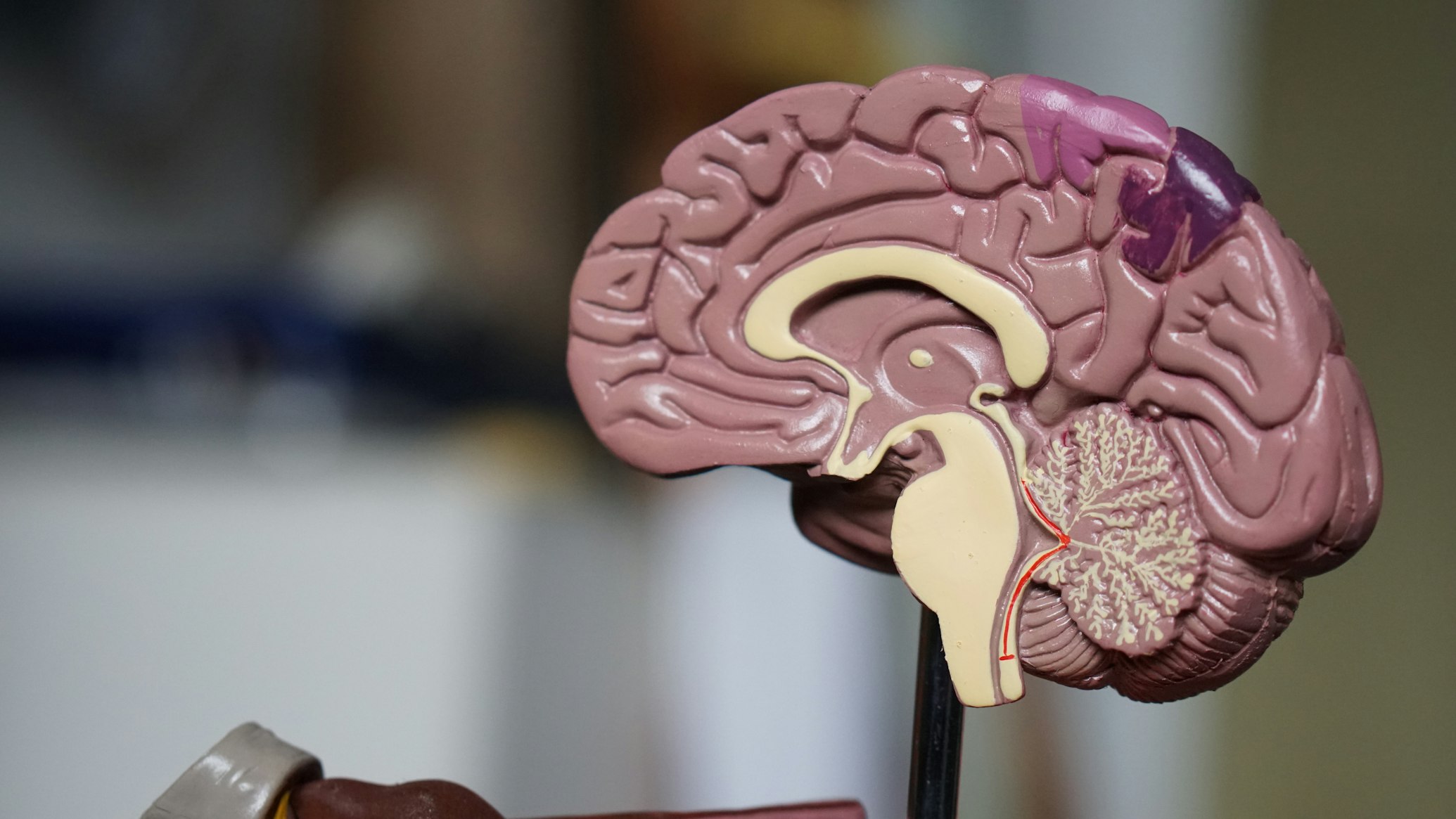
Ongoing research continues to uncover the intricate processes of microbial biosynthesis.
Research continues to uncover the delicate balance within this bacterium—how it regulates heme production, directs it to the right enzymes, and manages the export of the finished antibiotic. Understanding these fundamental processes not only satisfies scientific curiosity but also opens doors to future innovations.
By learning from Amycolatopsis orientalis, scientists can work toward engineering more efficient antibiotic producers, creating novel antibiotics to combat resistant bacteria, and harnessing the power of heme enzymes for other valuable chemical synthesis. The humble soil bacterium, it turns out, still has much to teach us.
Engineering
More efficient antibiotic producers
Innovation
Novel antibiotics against resistant bacteria
Synthesis
Harnessing heme enzymes for chemistry
- Organism A. orientalis
- Key Product Vancomycin
- Critical Cofactor Heme
- Key Enzymes P450s
- Biosynthesis Path C5 Pathway