The Peroxynitrite-Glutaredoxin Tango
How a Cellular Guardian Falls Silent Under Oxidative Siege
Introduction: The Stealthy Oxidant vs. The Cellular Repairman
Imagine a repair crew constantly fixing critical machinery in your body's power plants. Now picture an invisible saboteur that disables them with a single touch.
This drama unfolds daily in our cells, where peroxynitrite (ONOO⁻)—a deadly combo of nitric oxide and superoxide—targets glutaredoxin (Grx), a master protein repairer. Their clash isn't just biochemical trivia; it's a life-or-death battle shaping outcomes in brain injuries, cancer, and aging 1 8 . New research reveals how this "stealthy oxidant" cripples Grx, derailing cellular repair systems and escalating disease. Let's unravel this molecular sabotage.

Figure 1: Molecular interaction between peroxynitrite and cellular components
Key Concepts: Players in a Redox Drama
Peroxynitrite: The Frenemy Within
Born from nitric oxide (NO•) and superoxide (O₂•⁻), peroxynitrite is a short-lived but devastating oxidant. It reacts 1,000x faster with proteins than its parent molecules, targeting:
- Thiols: Converts cysteine residues to sulfenic acids (S-OH) or nitrated tyrosines
- Metals: Disables iron-sulfur clusters in metabolic enzymes
- CO₂: Forms secondary radicals like CO₃•⁻ and NO₂•, amplifying damage 8 4
In traumatic brain injury (TBI), its levels surge by 53% within 30 minutes, triggering a cascade of protein damage 2 .
Glutaredoxin: The Thiol Maestro
Glutaredoxins are small proteins armed with a Cys-X-X-Cys active site, functioning as:
- Thiol repairers: Reduce disulfide bonds in oxidized proteins using glutathione (GSH)
- Dehydroascorbate reducers: Regenerate antioxidant vitamin C
- Redox sensors: Regulate signaling pathways by controlling protein glutathionylation 3
Their activity hinges on two conserved cysteines that toggle between reduced (thiol) and oxidized (disulfide) states.
The Collision Course
Peroxynitrite attacks Grx through two primary mechanisms:
- Direct Oxidation: Reacts with the active-site cysteine (Cys22), forming sulfenic acid (Grx-SOH). This rapidly progresses to irreversible sulfinic/sulfonic acids or disulfides 1 8
- Glutathionylation Hijack: Promotes formation of Grx-SSG (glutaredoxin-glutathione mixed disulfide), locking Grx in an inactive state 7
Critically, unlike other oxidants, peroxynitrite-induced damage resists reversal by common reducers like dithiothreitol (DTT) 1 .

Figure 2: Mechanism of peroxynitrite attack on glutaredoxin active site
In-Depth Look: A Pivotal Experiment Unraveling the Mechanism
The Setup: Probing Peroxynitrite's Impact on Liver Grx
Objective: Determine how peroxynitrite inhibits glutaredoxin's repair functions in mammalian cells 1 .
Step-by-Step Methodology:
- Sample Prep: Isolated rat liver cytosolic fractions (containing natural Grx and antioxidants)
- Treatment: Exposed samples to peroxynitrite (0–250 μM) for 5 min
- Activity Assays:
- Thioltransferase activity: Measured reduction of insulin disulfides
- Dehydroascorbate reductase (DHAR) activity: Tracked conversion of dehydroascorbate (DHA) to ascorbate
- Rescue Test: Treated peroxynitrite-damaged samples with DTT (5 mM) to test reversibility
Table 1: Peroxynitrite Dosing and Grx Inhibition
| [ONOO⁻] (μM) | Thioltransferase Activity (% Control) | Reversible by DTT? |
|---|---|---|
| 0 | 100% | Yes |
| 50 | 72% | No |
| 100 | 48% | No |
| 250 | 15% | No |
Table 2: Contrasting Effects on Grx Functions
| Function | Target Enzyme | ONOO⁻-Induced Loss | Restored by DTT? |
|---|---|---|---|
| Disulfide reduction | Grx | Up to 85% | No |
| Ascorbate recycling | DHAR enzymes | ~40% | Yes (85%) |
Key Findings:
- Dose-Dependent Sabotage: Higher peroxynitrite caused steeper Grx decline (Table 1)
- Irreversible Damage: DTT failed to restore thioltransferase function, confirming permanent active-site alteration 1
- DHAR Paradox: Total cytosolic DHAR activity dropped by 40% at 100 μM ONOO⁻, but DTT restored 85% of it. Why? Unlike Grx-dependent thiol repair, DHAR relies partly on other enzymes reversible by DTT 1
The Big Picture:
This experiment revealed two truths: (1) Grx's thiol-repair role is uniquely vulnerable to peroxynitrite, and (2) Irreversible oxidation suggests structural collapse at the active site—a point later confirmed by mass spectrometry showing sulfonic acid formation 7 .
Figure 3: Dose-dependent inhibition of Grx activity by peroxynitrite
The Scientist's Toolkit: Key Reagents in Redox Research
Table 3: Essential Tools for Studying Peroxynitrite-Grx Interactions
| Reagent/Method | Function | Example Use |
|---|---|---|
| Peroxynitrite donors | Generate controlled ONOO⁻ bursts | Mimic oxidative stress in cells 4 |
| roGFP2-Grx fusions | Real-time redox sensing | Track Grx activity in live cells 3 |
| Cysteine mutants | Pinpoint active-site cysteines | Confirm Cys22 as oxidation target |
| Anti-3-NT antibodies | Detect protein nitration | Measure ONOO⁻ damage in TBI models 2 |
| LC-MS/MS | Identify oxidized residues | Characterize Grx sulfonic acid formation 7 |

Figure 4: Modern tools for redox biology research
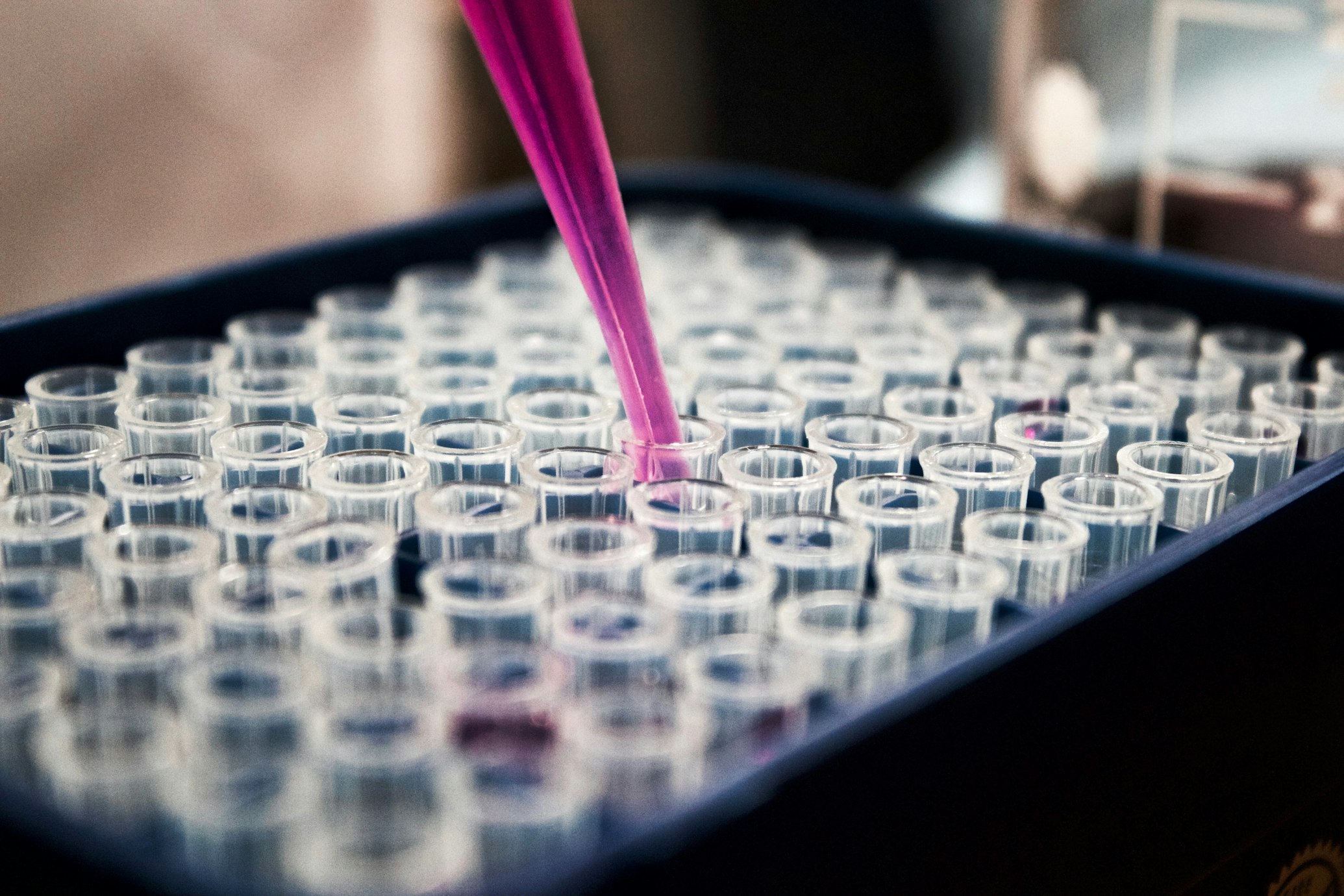
Figure 5: Mass spectrometry for identifying protein modifications
Disease Connections: When the Guardian Falls
Traumatic Brain Injury (TBI)
After brain injury, peroxynitrite surges:
- Nitrates proteins (3-NT levels ↑53%)
- Depletes antioxidants (Grx ↓80%, SOD2 ↓45%)
- Triggers mitochondrial collapse 2
Outcome: Grx inhibition prolongs oxidative stress, worsening neuronal damage.
Cancer Metabolism
Tumor cells exploit this system:
- High ROS ↑ PKM2 glutathionylation → redirects glucose to pentose pathway → NADPH ↑ → tumor growth 6
- Silencing Grx sensitizes cancer cells to chemo
Neurodegeneration
In synaptosomes, peroxynitrite:
- Oxidizes membrane proteins → synaptic dysfunction
- Glutathione depletion ↑ sensitivity 5-fold 5

Figure 6: Oxidative stress pathways in neurological diseases
Future Frontiers: Therapies on the Horizon
Key Insight
The peroxynitrite-Grx axis isn't just destruction—it's a redox signaling language. Decoding it could yield therapies for stroke, cancer, and beyond.
Conclusion: A Delicate Balance Tipped
Peroxynitrite's attack on glutaredoxin is more than chemical vandalism; it's a strategic strike on cellular repair infrastructure. From traumatized neurons to tumor cells, this molecular dialogue shapes fate. Yet, every detail uncovered—every resistant Grx mutant or scavenger designed—edges us closer to tipping the balance back toward life. As research accelerates, one truth emerges: In the war against oxidative stress, glutaredoxin is a guardian worth shielding.